


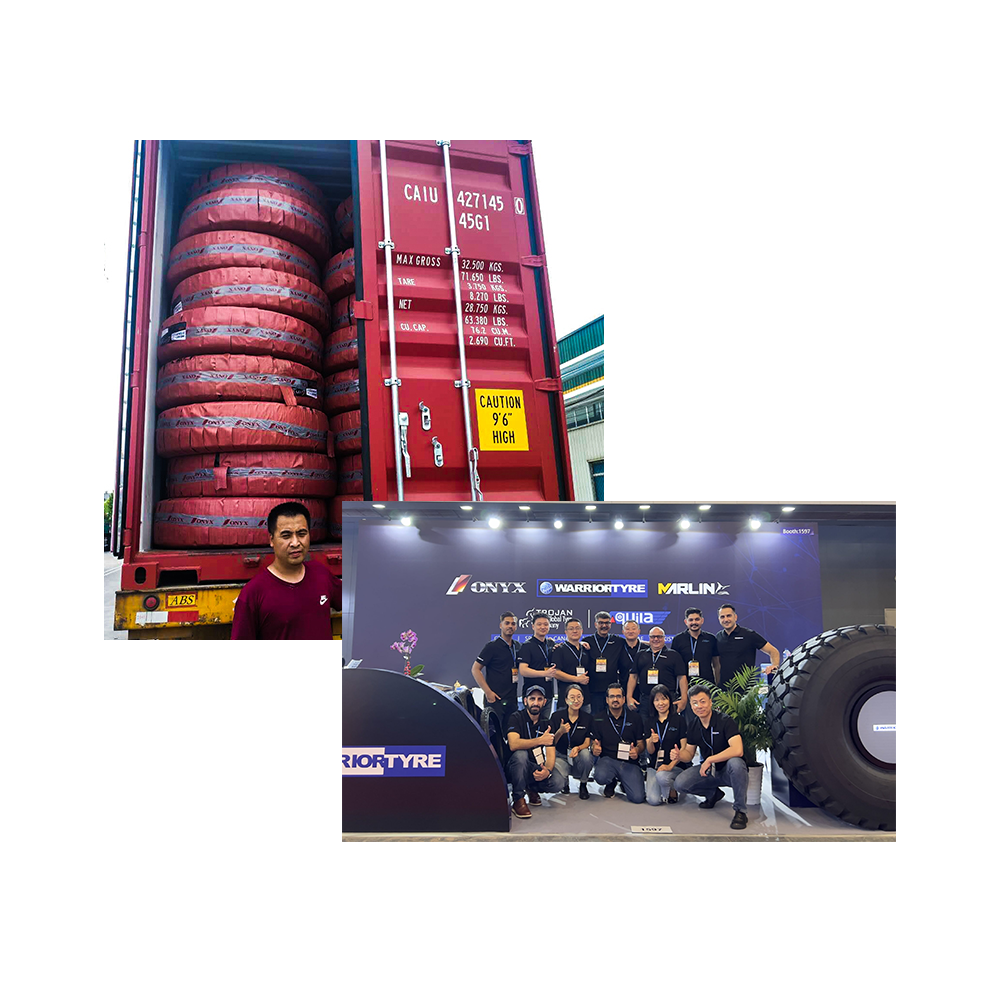
Introduction
In the fast-paced world of automobiles, the smallest component can have the biggest impact on safety — and tyres are the perfect example. Every tyre on the road is the result of rigorous engineering, testing, and inspection. Yet, behind this precision lies a vital link — tyre suppliers. These suppliers act as the bridge between tyre manufacturers, distributors, and end-users, ensuring that every product reaching the market meets strict quality and safety standards.
Tyre suppliers are not merely intermediaries; they are quality guardians who maintain the integrity, reliability, and performance of tyres before they ever reach a vehicle. In this article, we’ll explore how tyre suppliers uphold global safety norms, manage quality assurance, and sustain trust in one of the most critical sectors of the automotive industry.
1. The Critical Role of Tyre Suppliers in Quality Control
Tyre suppliers play a key role in ensuring that every tyre entering the market adheres to national and international safety regulations. From product sourcing to distribution, they manage multiple checkpoints to verify compliance with performance, durability, and safety benchmarks.
A reputable tyre supplier never compromises on quality. They partner only with certified manufacturers, validate documentation such as ISO certifications, and ensure each tyre passes specific tests before delivery. In doing so, they act as the final layer of quality assurance between factories and consumers.
2. Adhering to International Safety Standards
To guarantee global compliance, tyre suppliers align with internationally recognized safety and performance standards. Some of the most important include:
-
ECE Regulation 30/54: Specifies testing standards for passenger and commercial vehicle tyres.
-
ISO 9001: Ensures consistent quality management systems across suppliers.
-
DOT (Department of Transportation) Certification: Mandatory for tyres sold in the United States.
-
EU Tyre Labeling Regulation: Classifies tyres based on fuel efficiency, wet grip, and noise levels.
By adhering to these certifications, suppliers ensure that the tyres they distribute are tested for braking performance, speed rating, load capacity, traction, and resistance to wear — essential parameters for road safety.
3. Partnering with Reputable Manufacturers
The foundation of tyre quality lies in the manufacturing process. Tyre suppliers collaborate closely with top manufacturers known for their technological excellence and safety testing. These partnerships help suppliers maintain a catalogue of premium, mid-range, and budget tyres without compromising on reliability.
Suppliers also conduct factory audits — visiting production facilities to observe raw material handling, manufacturing techniques, and quality checks. This ensures transparency and confirms that the products align with international standards before being approved for distribution.
4. Comprehensive Product Testing and Inspection
Before tyres are shipped to distributors or retailers, tyre suppliers often perform in-house inspections to double-check quality. These checks include:
-
Visual Inspections: Detecting visible defects like cracks, bulges, or irregular tread patterns.
-
Uniformity Tests: Ensuring consistent shape, size, and balance for smooth performance.
-
Dynamic Tests: Simulating real-world road conditions to test grip, stability, and wear resistance.
-
Pressure and Leak Tests: Verifying airtightness and durability under various pressure levels.
By applying these measures, suppliers guarantee that customers receive only safe, well-performing products ready for immediate use.
5. Traceability and Serial Number Verification
One major advancement in tyre supply chain safety is product traceability. Tyre suppliers maintain detailed records for every tyre — including batch numbers, manufacturing dates, and shipment details.
If a defect is detected or a recall is announced, suppliers can instantly trace affected batches and withdraw them from the market. This traceability system ensures swift action, protecting both the brand’s reputation and consumer safety.
6. Temperature, Storage, and Handling Controls
Even a high-quality tyre can lose performance if stored or transported improperly. Tyre suppliers follow strict storage and handling protocols to preserve integrity.
-
Tyres are stored in climate-controlled warehouses to prevent exposure to heat, sunlight, or moisture.
-
Stacking is done carefully to avoid deformation.
-
Periodic rotation of stock ensures older inventory is distributed first (“first in, first out” policy).
These measures may seem simple but are crucial to maintaining tyre elasticity, grip, and safety standards until they reach the customer.
7. Training and Technical Expertise
Tyre suppliers invest heavily in training programs for their technical and sales teams. These sessions include product knowledge, tyre technology updates, safety compliance, and handling procedures.
When a supplier’s staff is trained to identify product differences — for example, between tyres suited for wet climates versus high-temperature regions — it directly translates to safer recommendations for consumers and fleet managers. This professional expertise strengthens the supplier’s credibility and ensures customers always get the right product for their specific use case.
8. Customer Education and Post-Sale Support
Quality assurance doesn’t end once a tyre is sold. Reliable suppliers provide post-sale support to ensure customers maintain safety throughout the tyre’s lifespan.
They educate customers about proper tyre maintenance, such as rotation schedules, inflation checks, and alignment inspections. Many suppliers also offer digital tools — like tyre tracking apps and wear indicators — to help users monitor performance.
This commitment to education reinforces the supplier’s role as a safety partner, not just a product provider.
9. Integrating Technology and Automation
Modern tyre suppliers are adopting technology to improve quality control. Through AI-driven analytics, RFID tagging, and automated inspection systems, suppliers can detect manufacturing inconsistencies far faster and more accurately than manual methods.
For instance, RFID chips embedded in tyres allow suppliers to track performance data, helping manufacturers and users understand how different tyre models behave in specific conditions. This digital transformation enhances transparency and accountability across the entire supply chain.
10. Sustainability and Quality Go Hand-in-Hand
As the world shifts toward sustainable mobility, tyre suppliers play a vital role in promoting eco-friendly tyres without compromising safety.
Suppliers are partnering with manufacturers that use recycled materials, bio-based compounds, and low-emission production processes. Moreover, they promote retreading — a process that extends tyre life and reduces waste — while ensuring retreaded tyres meet the same performance and safety benchmarks as new ones.
In this way, tyre suppliers are balancing environmental responsibility with uncompromised safety standards, shaping the future of the tyre industry.
11. Building Trust Through Transparency
Transparency is the foundation of long-term partnerships in the tyre industry. Leading suppliers maintain open communication with clients and manufacturers, providing detailed product specifications, safety certificates, and test results.
By offering full visibility into sourcing and testing processes, they assure customers that each product is genuine, compliant, and safe. In markets where counterfeit tyres pose a serious risk, this transparency is vital for maintaining public confidence and road safety.
12. The Road Ahead for Quality-Focused Tyre Suppliers
In the coming years, tyre suppliers will need to embrace even stricter standards as vehicles become smarter and more autonomous. Tyres will need to communicate data in real-time — pressure, wear, traction — to onboard systems. Suppliers will be central to this shift, acting as data enablers in addition to product providers.
Future-focused suppliers will rely on predictive quality monitoring, using AI and cloud analytics to prevent defects before they occur. As innovation accelerates, one thing remains constant — the commitment to safety, precision, and reliability.
Conclusion
Tyre suppliers are the guardians of road safety in the automotive world. Their commitment to quality assurance, regulatory compliance, and technological advancement ensures that every vehicle operates safely and efficiently.
From selecting trusted manufacturers and maintaining strict inspection protocols to providing customer education and post-sale support, tyre suppliers uphold the highest safety standards at every step. In an industry where one faulty tyre can risk lives, their dedication to excellence keeps the wheels of global mobility turning with confidence and care.

 Arabic
 French
 Spanish
 Portuguese
 Deutsch
 Turkish
 Dutch
Dutch
 Italiano
 Russian
 Romaian
 Portuguese (Brazil)
 Greek
Greek