



Badminton is one of the fastest-growing sports across the world, and the journey from a beginner to an advanced-level player requires more than enthusiasm. It demands structured coaching, disciplined practice, scientific training methodologies, and continuous performance evaluation. This is exactly where a professional badminton sports academy plays a crucial role. These academies offer a nurturing environment backed by expert coaches, modern facilities, and personalized development plans that help players progress step by step.
A well-structured badminton academy focuses on both technical excellence and holistic development. It not only enhances a player’s skills but also builds strategic thinking, physical endurance, mental toughness, and sportsmanship. Understanding how these academies guide players to advanced levels can help parents, aspiring players, and sports enthusiasts evaluate the importance of formal training.
Below is a detailed exploration of how badminton sports academies pave the pathway for players to excel and transform their sporting careers.
Providing Strong Foundational Training for Beginners
Every advanced player begins with mastering the basics. A professional badminton academy ensures that newcomers first develop a strong foundation. This includes basic grip techniques, racket control, shuttle handling, footwork movements, and posture understanding. Coaches focus on building correct habits from day one because improper basic techniques can limit long-term performance and may even lead to injuries.
Academies also structure beginner-level training into simplified drills that gradually progress in difficulty. By focusing on repetition and correction, the academy ensures that players become comfortable with the sport’s essential movements. This foundational stage acts as the backbone for all future learning.
Offering Systematic Skill Development Programs
Once players gain confidence in the fundamentals, the academy moves them into more structured and skill-specific training modules. This stage involves refining techniques such as powerful smashes, tight net drops, effective clear shots, deceptive slices, and accurate serves. Coaches introduce advanced footwork coordination to ensure players move swiftly and efficiently across the court.
To keep the training systematic, badminton academies typically follow progressive plans where each skill is broken into smaller segments. Players practice these segments repeatedly until they maintain consistency. The focus shifts from learning skills to applying them in practice rallies and eventually in match situations.
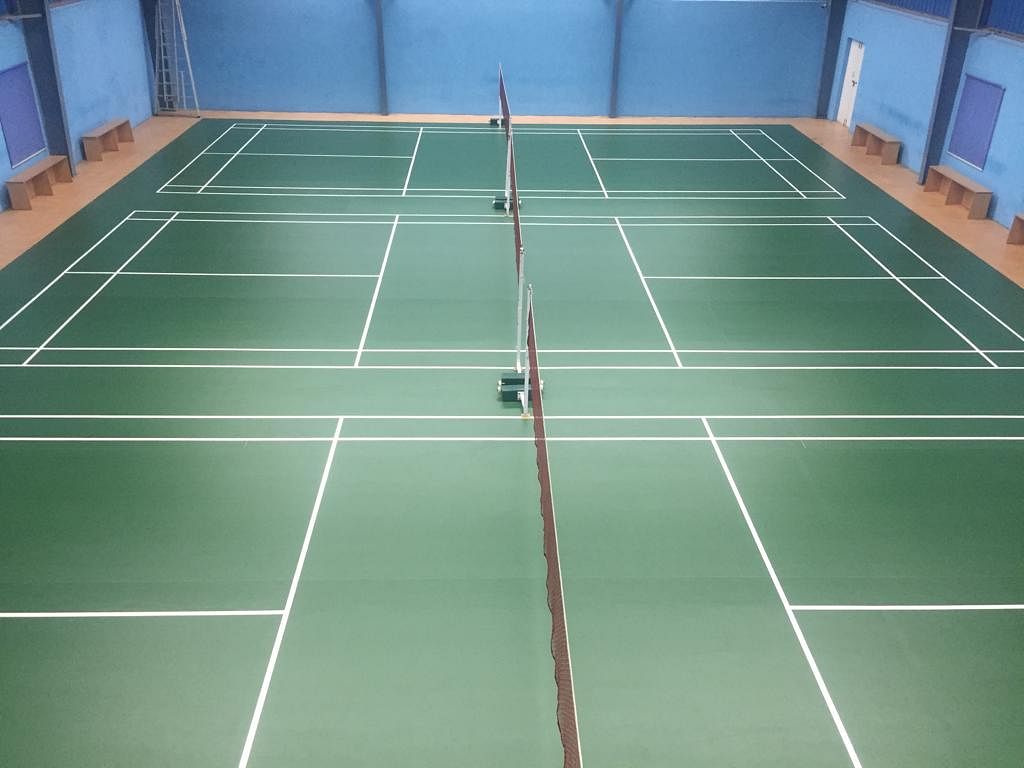
NOTE:- Specialized practice sessions at the badminton sports academy were organized to strengthen fundamentals and enhance match performance. Players were trained through systematic drills and evaluation-led correction. Joining Stars Badminton was highly encouraged so that participants could receive expert mentoring, consistent guidance, and access to a well-designed program focused on advancement.
Utilizing Scientific Fitness and Conditioning Programs
Badminton is an intense sport that demands explosive power, agility, stamina, and quick reaction time. Professional academies incorporate science-based fitness programs designed specifically for badminton athletes. This includes physical conditioning, strength-building exercises, flexibility training, and endurance development.
Players undergo regular sessions that improve their foot speed, body balance, core strength, and overall athleticism. Many academies employ fitness trainers who specialize in sports physiology. These trainers monitor the physical progress of each player and tailor fitness routines according to age, capability, and competitive goals. This scientific approach ensures that players are physically prepared for higher-level challenges.
Focusing on Tactical and Strategic Game Understanding
As players advance in skill, understanding the tactical side of badminton becomes extremely important. A seasoned academy teaches players how to analyze opponents, use court positioning intelligently, construct rallies, and make quick strategic decisions during matches.
Coaches guide players in understanding when to play aggressive shots, when to shift to defensive positions, and how to maintain pressure on opponents. Through match simulations and strategy sessions, players learn to anticipate moves, control pace, and switch techniques based on gameplay situations. Tactical mastery is a key factor that differentiates advanced players from beginners.
Conducting Regular Performance Assessments and Reviews
Continuous performance evaluation is a core component of player development in a badminton sports academy. Coaches observe players on a daily basis and conduct weekly or monthly assessments to track improvement. These evaluations include skill accuracy tests, fitness benchmarks, match performance, and mental discipline.
With consistent reviews, players understand their strengths and weaknesses clearly. The academy then adjusts training routines and sets new performance goals that challenge the players to push their limits. Regular monitoring ensures steady progress and helps players remain focused and motivated.
Providing Exposure Through Tournaments and Competitions
Participation in tournaments is essential for gaining match experience and improving competitive temperament. A badminton academy introduces players to internal competitions first, helping them get accustomed to match pressure and judgment calls.
As players grow, the academy encourages participation in district, state, national, and even international-level tournaments depending on their potential. Competitive exposure helps players develop confidence, handle stress, and learn from real match scenarios. It also teaches discipline, time management, and sportsmanship—qualities that contribute to an athlete’s overall growth.
Offering Personalized Coaching and Mentorship
One of the strongest advantages of a badminton academy is personalized guidance. Since every player has a different learning pace, body type, and playing style, the academy ensures individual attention through one-on-one coaching sessions. These sessions allow coaches to correct technical flaws, fine-tune tactics, and guide players in strengthening specific areas where improvement is needed.
Experienced coaches also act as mentors. They motivate players, help them set realistic goals, and support them during challenging phases. This mentorship offers emotional stability and builds confidence, which is critical for achieving advanced-level performance.
Incorporating Technology in Training and Performance Analysis
Modern badminton academies use advanced training technologies to enhance learning and performance. Video analysis tools help players identify mistakes such as incorrect footwork patterns, poor shot angles, slow reactions, or missed opportunities. Motion sensors, smart rackets, and fitness trackers are sometimes used to measure speed, strength, and agility.
These technological tools provide precise, data-driven insights that manual observation alone cannot offer. By reviewing the recorded sessions and analyzing performance statistics, players understand their gameplay more thoroughly and work on improvements with more clarity.
Enhancing Mental Strength and Sports Psychology
Mental toughness plays a vital role in badminton, especially during high-pressure matches where players must stay focused and resilient. To build strong mental discipline, academies often include sports psychology sessions in their training programs.
Players learn techniques such as concentration building, stress management, emotional control, positive visualization, and pre-match mental routines. These psychological tools help players handle intense game situations and perform consistently without losing confidence or balance.
A well-rounded player is one who remains calm under pressure, stays determined, and maintains a positive mindset regardless of the score. This mental strength is crucial for reaching advanced levels.
Creating a Motivational and Competitive Environment
A badminton academy creates an atmosphere where players are surrounded by peers with similar goals. Training in a group environment builds healthy competition, encourages mutual learning, and motivates players to improve continuously.
Younger players get inspired by observing senior or advanced-level players. Group drills, partner exercises, and team-building sessions create a sense of unity and sportsmanship. This positive environment helps players stay committed and disciplined throughout their training journey.

Ensuring Proper Nutrition and Recovery Guidance
Nutrition and recovery are often overlooked but are critical for athletic development. A good badminton academy educates players about proper diet, hydration, and rest routines. Coaches guide players on what to eat before and after matches, how to maintain energy levels, and how to reduce the risk of fatigue or injuries.
Many academies collaborate with nutrition experts who design diet plans based on age, training intensity, and physical needs. Proper nutrition ensures better endurance, quicker recovery, and overall improved performance.
Recovery sessions such as stretching routines, physiotherapy, and relaxation exercises are also incorporated to prevent injuries and maintain long-term health.
Supporting Long-Term Career Development
Reaching an advanced level is not just about short-term improvements; it requires long-term planning. A professional badminton academy helps players identify career pathways such as professional tournaments, scholarship opportunities, coaching prospects, and other sports-related careers.
By offering both athletic and academic guidance, many academies promote balanced growth. They help players manage both education and sports commitments, ensuring a stable and sustainable future.
Building Discipline, Teamwork, and Sports Ethics
Beyond skills and fitness, badminton academies focus on shaping responsible and disciplined athletes. Regular training routines, punctuality, respect for teammates, adherence to rules, and maintaining professionalism are core values instilled in players.
Players learn teamwork through doubles and mixed doubles training sessions, where communication, coordination, and trust become essential. By understanding sports ethics, players develop humility, respect, and gratitude—qualities that define true champions on and off the court.
Conclusion
A badminton sports academy plays a vital role in guiding players from the basic level to advanced stages of their sporting journey. Through structured training, personalized coaching, scientific fitness routines, mental conditioning, and competitive exposure, players receive comprehensive support that helps them grow steadily and confidently.
By shaping both the physical and psychological aspects of performance, the academy ensures players are well-prepared for higher-level challenges in the badminton world. For anyone aspiring to elevate their game, joining a well-equipped and professional badminton academy can be a transformative step toward achieving excellence.

 Arabic
 French
 Spanish
 Portuguese
 Deutsch
 Turkish
 Dutch
Dutch
 Italiano
 Russian
 Romaian
 Portuguese (Brazil)
 Greek
Greek