


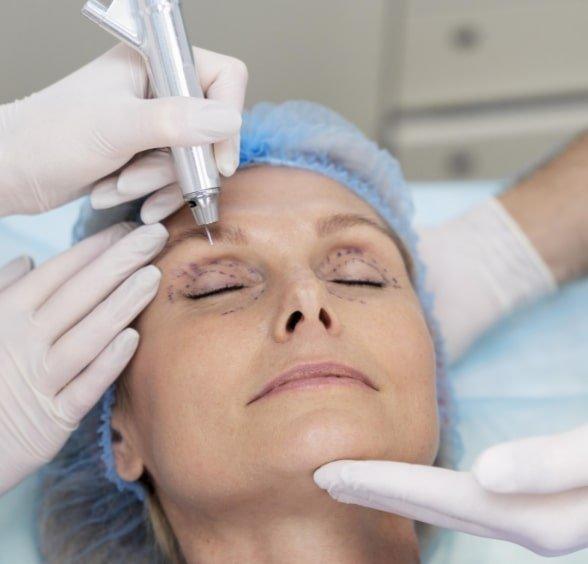
Plastic surgery has seen tremendous advancements in recent years, largely due to the integration of modern technology. From preoperative planning to post-surgery recovery, technology plays a pivotal role in improving safety, precision, and patient satisfaction. Understanding how these innovations are applied can help patients make informed decisions and feel confident about their procedures.
The Role of Technology in Plastic Surgery Clinics
Modern technology in plastic surgery clinics ensures that procedures are not only safer but also more predictable and effective. Clinics now leverage advanced imaging, minimally invasive tools, and computer-assisted techniques to provide superior results.
Some key benefits of incorporating technology include:
-
Enhanced Precision: Technology allows surgeons to plan and execute procedures with greater accuracy.
-
Minimized Risks: Advanced monitoring systems and imaging reduce the chances of complications.
-
Improved Patient Experience: Patients can visualize expected results and experience less downtime with modern techniques.
Advanced Imaging for Better Planning
One of the most significant technological advancements in plastic surgery is advanced imaging, including 3D and computer-assisted imaging.
How Imaging Improves Procedures:
-
3D Facial and Body Scans: These provide a detailed view of anatomy, helping surgeons plan procedures like facelifts, rhinoplasty, or breast augmentation.
-
Simulation of Outcomes: Patients can see a realistic preview of their results before committing to surgery.
-
Precision in Customization: Imaging helps tailor procedures to the patient’s unique anatomy for natural-looking results.
Minimally Invasive and Robotic-Assisted Surgery
Modern technology has introduced minimally invasive techniques that reduce surgical trauma and recovery time.
-
Endoscopic Surgery: Small incisions and cameras allow surgeons to perform complex procedures with less tissue damage.
-
Robotic-Assisted Surgery: Robotics provide unparalleled precision, particularly in delicate reconstructive procedures.
-
Laser and Ultrasound Tools: These are used for skin tightening, fat removal, and scar reduction with minimal downtime.
These techniques reduce risks such as infection, scarring, and prolonged recovery, while improving aesthetic outcomes.
Computer-Assisted Surgical Planning
Some clinics now use computer-assisted surgical systems that integrate imaging, surgical planning, and simulation.
Advantages Include:
-
Accurate Incision Placement: Surgeons can plan precise cuts to enhance symmetry.
-
Optimized Tissue Manipulation: Reduces the risk of errors during procedures like breast reconstruction or liposuction.
-
Enhanced Predictability: Patients have realistic expectations, and surgeons can anticipate challenges in advance.
This technology is especially valuable for complex reconstructive procedures where precision is critical.
Non-Surgical Technological Innovations
Plastic surgery clinics are also offering non-invasive solutions that harness modern technology for cosmetic enhancement:
-
Botox and Dermal Fillers: Applied with precision using imaging tools to achieve symmetry.
-
Laser Treatments: Improve skin texture, remove scars, and stimulate collagen production.
-
Radiofrequency and Ultrasound Therapy: Tighten skin, reduce fat, and contour the body without surgery.
These options allow patients to achieve aesthetic improvements with minimal downtime, lower risk, and natural-looking results.
Improved Safety and Monitoring
Technology has also enhanced safety protocols in plastic surgery clinics.
-
Advanced Anesthesia Monitoring: Ensures patients remain stable during procedures.
-
Digital Patient Records: Allow tracking of medical history, medications, and allergies to prevent complications.
-
Intraoperative Imaging: Provides real-time visualization, helping surgeons avoid errors and improve outcomes.
By integrating technology into every stage of surgery, clinics can significantly reduce risks and enhance overall patient care.
Enhancing the Patient Experience
Modern technology not only improves surgical precision but also enhances the overall patient experience:
-
Patients can see simulation results, making it easier to communicate their goals.
-
Recovery is faster due to less invasive techniques and optimized surgical planning.
-
Clinics can provide personalized treatment plans, ensuring each procedure is tailored to individual anatomy and expectations.
Final Thoughts
Modern technology has transformed plastic surgery, making procedures safer, more precise, and more predictable. From advanced imaging and minimally invasive techniques to robotic assistance and non-surgical innovations, technology enhances every stage of the surgical process.
By choosing a plastic surgery clinic that integrates cutting-edge technology, patients can achieve natural-looking results with reduced risks and improved recovery experiences.
Looking for a trusted Plastic Surgery Clinic St Catherines? Schedule your consultation today to explore advanced, technology-driven procedures designed to help you achieve your aesthetic goals safely and effectively.

 English
 Arabic
 Spanish
 Portuguese
 Deutsch
 Turkish
 Dutch
Dutch
 Italiano
 Russian
 Romaian
 Portuguese (Brazil)
 Greek
Greek