


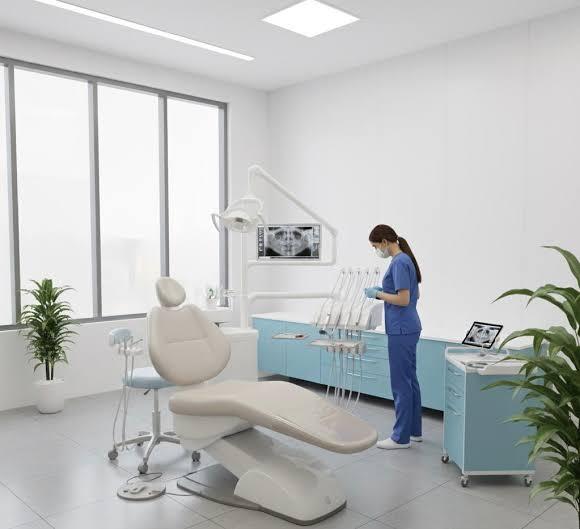
Dental implants in Turkey have grown significantly as it has emerged as an effective solution for those wishing to regain their teeth permanently. While the implant—the titanium post, the crown, the surgery itself—is the big factor, one often overlooked factor that plays an important role is the condition of the gum tissue around the implant site.
A healthy gum delivers the biological environment that will allow the implant to grow into the bone, resist infection, and operate for many years.
This article will outline the importance of gum health, the role of the clinician in assessing gum health, and the role that the patient can play in maintaining healthy gums pre- and post-treatment.

Why Gum Tissue Matters for Implant Success
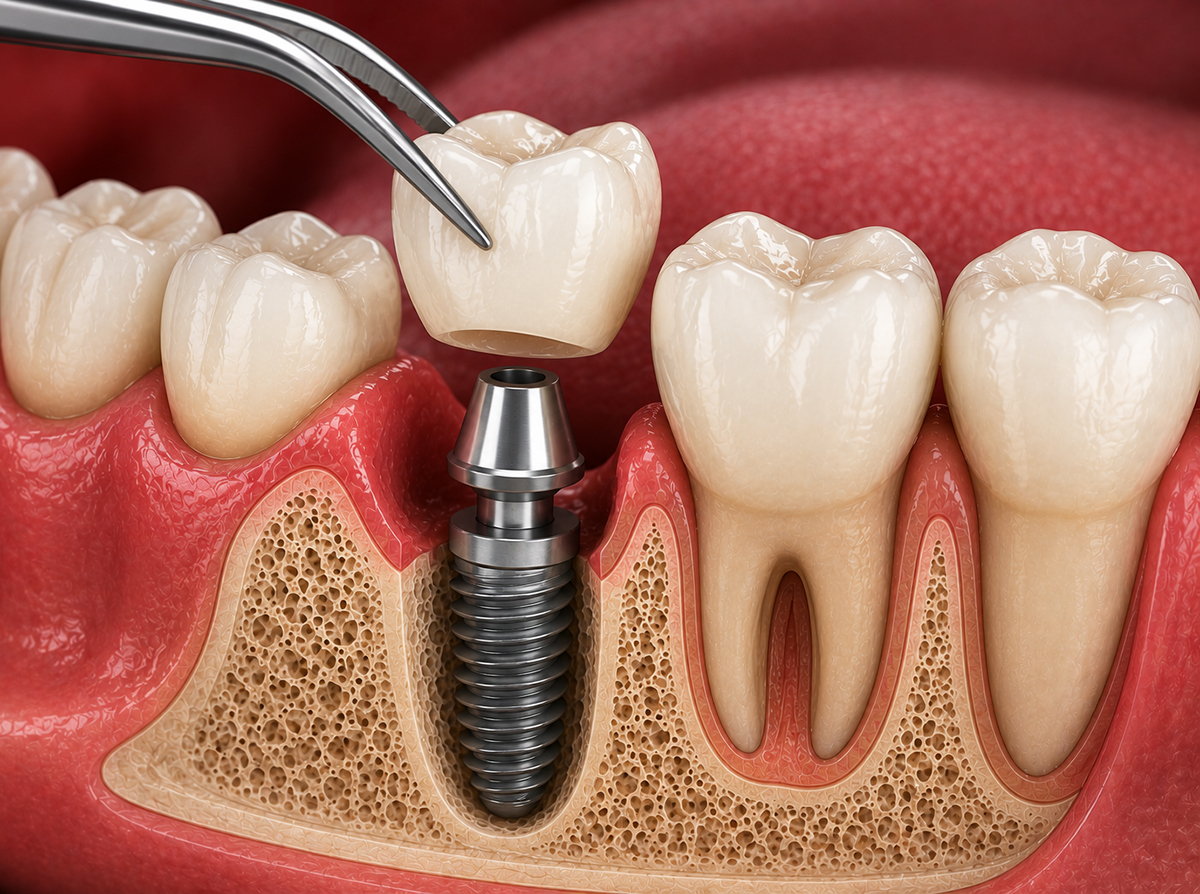
Gum tissue surrounds the implant like it does around a natural tooth root and protects it. When this seal remains intact, bacteria stay out of the deeper structures that support the implant.
-
Healthy gums resist bacterial infiltration
-
Firm, pink tissue signals strong blood supply
-
Adequate tissue thickness cushions the implant against mechanical forces
When the gum tissue is thin, inflamed, or receding, the implant may not be as well protected over the years, impacting implant stability.
The Connection Between Gum Disease and Implant Outcomes
One of the most frequent factors why implant treatment is detained is periodontal disease. When the gum disease is present and active, it can lead to harmful bacteria that spread to a new implant.
What Happens When Gum Disease Is Untreated
-
Bacteria colonize the pocket around teeth and soft tissue
-
Chronic inflammation gradually breaks down supporting bone
-
The foundation for future implant placement becomes compromised
Why Clinicians Screen for Gum Disease First
Before implant surgery, the dental clinics in Turkey will conduct a comprehensive periodontal exam to determine when there is any inflammation, pocket depth, and when the tissue is at the level required for predictable healing.
Peri-Implantitis: The Implant Version of Gum Disease
Peri-implantitis is an inflammation of the tissue and bone that surrounds an implant. It is similar to natural gum disease and is different as there is no periodontal ligament present in implants.
-
Early signs include redness, swelling, and bleeding on gentle probing
-
Later stages involve bone changes visible on x-ray
-
Progression can move faster than natural gum disease in some patients
Identifying early signs can assist the dental team intervene early in the process with cleaning protocols, modified hygiene regimens or specific therapy.
How Peri-Implantitis Is Diagnosed
The dental team usually takes several steps on diagnosis to confirm when there is inflammation in the implant supporting bone.
-
Visual inspection of tissue color, contour, and firmness
-
Gentle probing to measure pocket depth around the implant
-
Periodic x-rays to track bone level over time
-
Assessment of bleeding response during routine cleaning visits
When diagnosed early, the team can support implement a treatment plan before it reaches the point of needing a surgery.
How Gum Thickness Influences Long-Term Stability
Patients are unaware that the thickness of tissue is also an important factor in implant longevity.
Thicker gum tissue will deliver more protection from gum recession, and produce a more stable, natural appearance.
Thin Tissue Biotype
In cases where the gum tissue is thinner than usual, a tissue grafting surgery can be performed before or at the time of implant placement to create thicker gum tissue.
Thick Tissue Biotype
Patients who have thicker, firmer tissues may have less recession with time, and maintain a more uniform gum line appearance around the restoration.
Why Biotype Assessment Happens Early
Early in the dental treatment process in Turkey, tissue biotype allows for time for the surgical team to plan a treatment sequence that takes into account the patient's natural anatomy.
This assessment influences decisions about flap design, grafting timing, and the shape of the final restoration.
-
Thin biotypes often call for a more conservative surgical approach
-
Thick biotypes generally tolerate a wider range of surgical techniques
-
Both biotypes benefit from a personalized maintenance schedule afterward
The Role of Keratinized Tissue Around Implants
A tougher and more resilient band of gum surrounding teeth and implants is called keratinized tissue. This type of tissue is thicker and makes brushing easier and less irritating.
-
A narrow band of keratinized tissue can make daily hygiene more difficult
-
Insufficient keratinized tissue is associated with a higher chance of tissue recession
-
Soft tissue grafting can increase the width of keratinized tissue when needed
Clinicians often evaluate this tissue type alongside overall gum thickness to build a complete picture of the implant site.
Pre-Treatment Gum Preparation
A sequence of preparatory steps, aimed at optimizing the gums in advance of the implant surgery, is generally performed by the dental team.
-
Professional deep cleaning to remove plaque and calculus
-
Treatment of any active gum disease
-
Evaluation of tissue thickness and quality
-
Grafting procedures when additional tissue volume is needed
-
A maintenance period to confirm tissue stability before surgery
This preparation phase creates the healthiest possible starting point for the implant procedure.
The Healing Process and Soft Tissue Integration
After an implant is installed, the gum tissue around the implant starts to seal off the abutment.
This process is also referred to as soft tissue integration, and takes place in conjunction with the process of bone integration in order to anchor the implant.
-
Weeks one through two: initial tissue closure and reduced swelling
-
Weeks three through six: tissue maturation and color stabilization
-
Months two through four: bone integration continues beneath the surface
Patients who follow aftercare instructions carefully tend to experience smoother healing during each of these stages.
Patient Checklist Before Implant Surgery
Use this list to confirm readiness for treatment:
-
Gums show no bleeding during brushing or flossing
-
Any active gum disease has been treated and resolved
-
A professional cleaning has been completed within the recommended window
-
Tissue thickness has been assessed by the clinical team
-
Daily oral hygiene routine is consistent and effective
-
Smoking habits, when applicable, have been discussed with the dental team
Recovery Guidance for Gum Tissue After Implant Placement
The first two weeks after surgery are the most important window for tissue recovery.
-
Rinse gently with a prescribed antimicrobial solution
-
Avoid brushing directly over the surgical site for the first few days
-
Eat soft foods that reman easy on the healing tissue
-
Attend the follow-up appointment to confirm proper healing
Aftercare Tips for Long-Term Gum Health Around Implants
Long-term implant success depends on ongoing gum care that continues well beyond the initial healing period.
-
Brush twice daily with a soft-bristled brush
-
Use interdental brushes or floss designed for implant crowns
-
Schedule professional maintenance visits every three to six months
-
Monitor for any changes in tissue color or firmness
-
Stay attentive to bleeding, which often signals early inflammation
Common Missteps Patients Make With Gum Care
Several patterns tend to appear among patients who experience gum-related complications after implant treatment.
-
Skipping the maintenance cleaning schedule
-
Using a hard-bristled toothbrush that irritates tissue
-
Ignoring early bleeding as a temporary annoyance
-
Ceasing aftercare routines after the initial healing period ends
-
Overlooking the connection between overall health and gum condition
Addressing these patterns early creates a stronger foundation for implant longevity.
Myths vs Facts About Gum Health and Implants
-
Myth: Implants cannot develop gum disease because they are artificial. Fact: Implants can develop peri-implantitis, an inflammatory condition of the surrounding tissue.
-
Myth: Bleeding gums are always temporary and require no attention. Fact: Bleeding often signals inflammation that benefits from evaluation.
-
Myth: Once an implant heals, gum care becomes less important. Fact: Ongoing gum care remains essential for the entire lifespan of the implant.
Key Takeaways
-
Healthy gum tissue forms the biological seal that protects implants from bacteria
-
Periodontal evaluation and treatment typically precede implant placement
-
Tissue thickness influences long-term stability and aesthetic outcomes
-
Peri-implantitis represents an ongoing possibility that consistent hygiene reduces
-
Long-term maintenance visits support lasting implant success
Conclusion
The success of dental implants in Turkey goes beyond the surgical accuracy. Healthy gum tissue serves as the biological platform necessary to the implant for proper osseointegration, function and long-term stability.
Patients who take as much care for their gums as they do for their teeth before treatment and care after treatment are best equipped to have the most predictable long-lasting results.
Frequently Asked Questions
1. Can dental implants in Turkey be placed when gum disease is present?
The first step with active gum disease is to treat the gum disease to stabilize the tissue to a healthy state before you begin implant surgery.
2. How long does gum tissue take to heal after implant placement?
Soft tissue healing takes two to six weeks, and continues to mature for several months.
3. What is peri-implantitis and how serious is it?
Peri-implantitis is inflammation around the implant in tissue and bone, the sooner it is detected, the sooner it can be managed effectively.
4. Do all patients with thin gums require a grafting procedure before implants?
The thickness is subject to grafting needs and the clinical team assesses this according to the need for further thickness in order to achieve long-term stability.
5. How often should implant patients visit for professional cleaning?
The recommended timeframe for dental maintenance visits is typically every 3-6 months, based on the health of the dental tissue and hygiene practices of the individual.

 English
 Arabic
 French
 Spanish
 Portuguese
 Turkish
 Dutch
Dutch
 Italiano
 Russian
 Romaian
 Portuguese (Brazil)
 Greek
Greek