


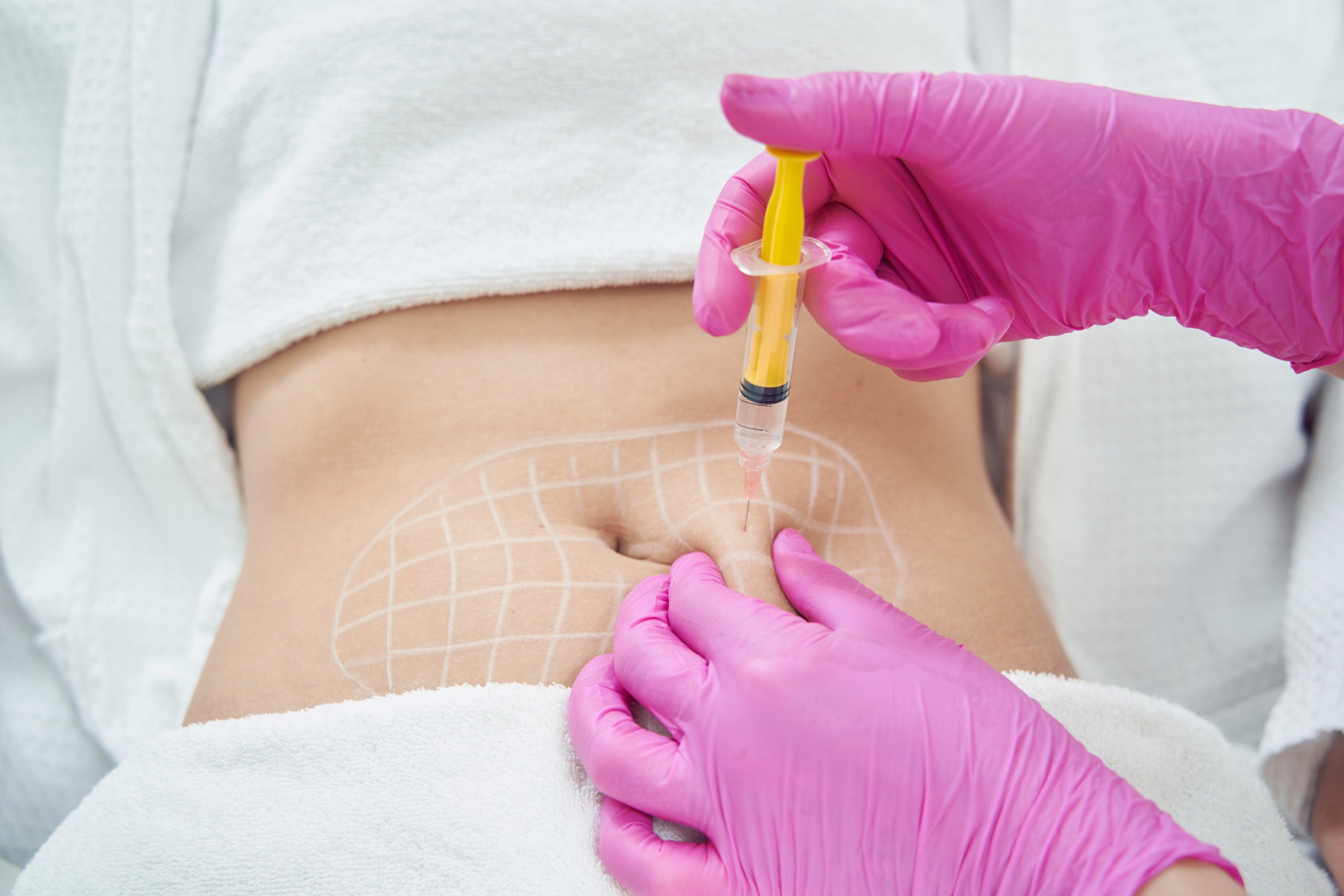
In the landscape of modern aesthetics, the demand for non-surgical body contouring has surged significantly in cities like Riyadh, where residents often seek sophisticated, minimally invasive solutions to refine their physique. Among the most popular interventions are "fat melting" or "fat-dissolving" injections—a medical aesthetic procedure designed to target and reduce localized pockets of stubborn fat. Fat melting injection in Riyadh is a popular non-surgical treatment designed to target stubborn fat deposits and help improve body contours with minimal downtime.
Understanding Fat-Dissolving Injections
Fat-dissolving injections, formally referred to as injection lipolysis, are a non-surgical cosmetic treatment. Unlike surgical procedures such as liposuction, which involve incisions and the physical removal of fat tissue, these injections use chemical compounds to disrupt the structural integrity of fat cells.
The primary active ingredients in many of these formulations are deoxycholic acid or phosphatidylcholine (PPC). Deoxycholic acid is a synthetic version of a naturally occurring bile acid that the human body uses to break down dietary fats. When injected into a specific layer of subcutaneous fat, these compounds disrupt the membranes of the adipocytes (fat cells). Once the membrane is destroyed, the fat stored within the cell is released and subsequently processed by the body’s lymphatic system. Over several weeks, the body naturally metabolizes and eliminates these remnants, leading to a reduction in the volume of fat in the treated area.
The Role in Body Contouring
In Riyadh’s aesthetic clinics, these injections are frequently utilized for "sculpting" rather than "slimming." It is a fundamental misconception that these treatments are a substitute for weight loss or a cure for obesity. Instead, they are specifically indicated for individuals who are at or near their ideal body weight but struggle with isolated, diet-and-exercise-resistant fat pockets.
By precisely injecting the solution into targeted zones, practitioners can help clients achieve smoother, more refined contours. Common areas treated include:
-
The Submental Area (Double Chin): Often the most popular application, where precision is needed to sharpen the jawline.
-
The Midsection: Targeted reduction of stubborn belly fat and "love handles."
-
Arms and Thighs: Helping to improve the appearance of the inner thighs, outer thighs (saddlebags), or underarm flab.
-
Back and Bra Bulge: Addressing smaller, localized deposits that are difficult to reach through conventional fitness routines.
The Treatment Process
For those visiting a clinic in Riyadh, the process is typically straightforward and relatively swift.
-
Consultation: A qualified medical professional assesses the patient’s health history and aesthetic goals. Because these injections target subcutaneous fat, they are not suitable for visceral fat (the deeper fat surrounding internal organs), which must be addressed through lifestyle changes.
-
Procedure: The skin is cleansed, and often a topical anesthetic is applied to ensure comfort. A fine needle is used to administer the solution directly into the fat tissue. The entire session usually lasts between 30 and 60 minutes.
-
Recovery: One of the main appeals of injection lipolysis is the minimal downtime. Patients can generally return to their daily activities within a day or two. While tenderness, swelling, and redness at the injection site are common—and often serve as a signal that the product is actively working—these effects typically resolve within a week.
Timeline for Results
Patience is a necessary component of the process. Unlike surgery, where fat is removed immediately, this procedure relies on the body’s natural metabolic timeline.
-
The First Few Weeks: Initial swelling may mask the results.
-
One Month Mark: Patients often begin to notice a more sculpted appearance as the inflammatory response subsides and the body clears the destroyed fat cells.
-
Final Results: The full transformation is usually visible within two to three months.
To achieve optimal contours, most practitioners recommend a series of sessions—typically three to six, spaced several weeks apart—depending on the density of the fat and the specific area being treated.
Benefits and Safety Considerations
The primary benefit of fat-melting injections is the ability to achieve a more contoured physique without the risks, recovery time, and costs associated with invasive surgery. Once the fat cells are destroyed and eliminated, they do not regenerate. However, it is vital to note that remaining fat cells can still expand if the patient gains weight. Therefore, maintaining a stable weight through consistent nutrition and exercise is essential to preserving the results.
While the procedure is considered safe when performed by experienced medical professionals, it is not without potential risks. Common, temporary side effects include bruising, itching, and swelling. More serious, though rare, complications can include allergic reactions or, if the product is injected improperly, damage to surrounding tissues. In the context of Riyadh’s growing cosmetic industry, it is crucial for patients to ensure that their provider is a licensed medical practitioner who has received specialized training in anatomy and injection techniques.
Conclusion
Fat-melting injections represent a precise and effective tool in the body contouring toolkit. For the individual looking to refine their silhouette and address those final, stubborn areas that seem impervious to the gym, this treatment offers a sophisticated, non-surgical pathway to confidence. By working with the body’s natural processes to permanently reduce fat cell numbers, injection lipolysis provides a subtle yet significant way to achieve a more sculpted, toned appearance. As with any aesthetic procedure, the key to success lies in having realistic expectations and choosing a reputable clinic that prioritizes safety and customized care.

 English
 Arabic
 French
 Spanish
 Portuguese
 Deutsch
 Turkish
 Dutch
Dutch
 Italiano
 Russian
 Romaian
 Portuguese (Brazil)