


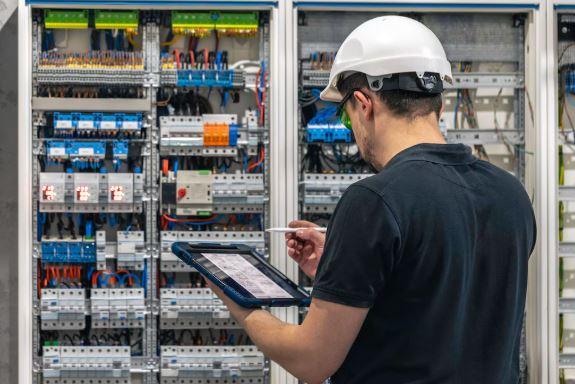
Modern data centers power everything from cloud computing and artificial intelligence to online banking and healthcare applications. As demand for digital services continues to grow, so does the need for reliable, efficient, and sustainable infrastructure. While renewable energy sources and energy-efficient technologies play an increasingly important role, uninterrupted power remains the top priority. Even a brief outage can lead to service disruptions, financial losses, and damaged equipment.
This is where genset backup systems become indispensable. Although diesel or gas generators are traditionally associated with emergency power, today's advanced genset technologies also contribute to sustainability by improving operational efficiency, supporting renewable energy integration, and minimizing unnecessary resource consumption. Here are seven ways genset backup systems support sustainable data center operations.
1. Ensure Continuous Operations During Power Outages
The primary role of a genset backup system is to provide immediate power when the utility grid fails. Data centers host mission-critical workloads that require continuous electricity to maintain servers, networking equipment, cooling systems, and security infrastructure.
Modern generators work seamlessly with Automatic Transfer Switches (ATS) and Uninterruptible Power Supply (UPS) systems to restore power within seconds. This uninterrupted operation protects sensitive equipment, prevents data loss, and avoids the significant financial costs associated with downtime.
By maintaining continuous operations during emergencies, backup generators reduce the need for expensive recovery efforts and extend the operational life of critical infrastructure. A well-designed genset data center solution also improves overall business continuity by ensuring mission-critical systems remain operational even during prolonged utility power outages.
2. Support Efficient Energy Management
Modern genset systems are designed to operate far more efficiently than previous generations. Advanced engine controls, intelligent fuel injection, and digital monitoring technologies optimize fuel consumption based on actual electrical demand.
Instead of running continuously, generators activate only when backup power is required or during scheduled testing. This controlled operation reduces unnecessary fuel usage while lowering operating costs and emissions.
Some facilities also use multiple synchronized generators that automatically adjust output according to changing power requirements. Load sharing allows each generator to operate within its optimal efficiency range, further improving overall energy performance.
3. Complement Renewable Energy Sources
Many organizations are incorporating renewable energy sources such as solar and wind into their data center operations to reduce carbon emissions. However, renewable energy generation depends on weather conditions and may not always produce sufficient electricity to meet demand.
Genset backup systems complement renewable energy by providing dependable emergency power whenever renewable generation decreases or utility power becomes unavailable. Rather than replacing renewable energy, generators act as a reliable safeguard that ensures uninterrupted service.
As hybrid energy systems continue evolving, backup generators remain an essential component of resilient and sustainable power infrastructure.
4. Improve Equipment Reliability and Asset Longevity
Power interruptions can damage servers, storage systems, networking equipment, and cooling infrastructure through sudden shutdowns or voltage fluctuations. Frequent electrical disturbances also increase wear on sensitive electronic components.
Reliable genset backup systems minimize these risks by maintaining stable electrical power during outages. Continuous power helps reduce equipment stress, lowers repair costs, and extends the useful life of expensive data center assets.
Protecting existing infrastructure also supports sustainability by reducing premature equipment replacement and minimizing electronic waste over time.
5. Reduce Environmental Impact Through Smart Monitoring
Today's backup generators incorporate sophisticated monitoring platforms that continuously track fuel consumption, engine performance, emissions, runtime, battery health, and maintenance schedules.
Real-time monitoring enables operators to identify inefficient operation before it becomes a larger problem. Predictive maintenance reduces unnecessary servicing while ensuring generators remain fully operational when needed.
Well-maintained equipment operates more efficiently, consumes less fuel, and produces lower emissions compared to poorly maintained systems. Intelligent monitoring therefore contributes directly to both operational reliability and environmental responsibility.
6. Enable Scalable and Future-Ready Infrastructure
As businesses expand their digital operations, data centers must support increasing workloads without sacrificing reliability or sustainability. Modern genset systems are designed with scalability in mind, allowing organizations to add generator capacity as electrical demand grows.
Modular generator configurations, synchronized operation, and flexible power management simplify future expansion while avoiding the need to replace entire backup power systems.
Planning for scalability also reduces construction waste, minimizes unnecessary capital expenditures, and ensures backup infrastructure continues meeting evolving operational requirements for many years.
7. Strengthen Business Continuity While Supporting Sustainability Goals
Sustainability involves more than reducing emissions—it also includes building resilient infrastructure capable of supporting communities, customers, and essential services during unexpected disruptions.
Reliable genset backup systems play a critical role in business continuity planning by ensuring hospitals, financial institutions, cloud service providers, telecommunications companies, and other mission-critical organizations remain operational during power emergencies.
At the same time, newer generator technologies, cleaner fuel options, improved engine efficiency, remote monitoring, and optimized maintenance practices help organizations reduce their environmental footprint while maintaining the high availability expected of modern data centers.
By combining operational resilience with responsible energy management, organizations can achieve both sustainability objectives and long-term business success.
Conclusion
Reliable backup power remains essential for every modern data center, but today's genset systems offer far more than emergency electricity. Through efficient fuel management, renewable energy integration, intelligent monitoring, equipment protection, scalable infrastructure, and improved operational resilience, modern genset backup systems actively support sustainable data center operations.
As digital infrastructure continues expanding worldwide, organizations must balance environmental responsibility with the need for continuous availability. Investing in advanced genset data center solutions allows businesses to maintain uninterrupted operations while improving energy efficiency, protecting valuable assets, and supporting long-term sustainability goals. When properly designed, installed, and maintained, backup generator systems become an integral part of a resilient, efficient, and environmentally responsible data center strategy.

 Arabic
 French
 Spanish
 Portuguese
 Deutsch
 Turkish
 Dutch
Dutch
 Italiano
 Russian
 Romaian
 Portuguese (Brazil)
 Greek
Greek