


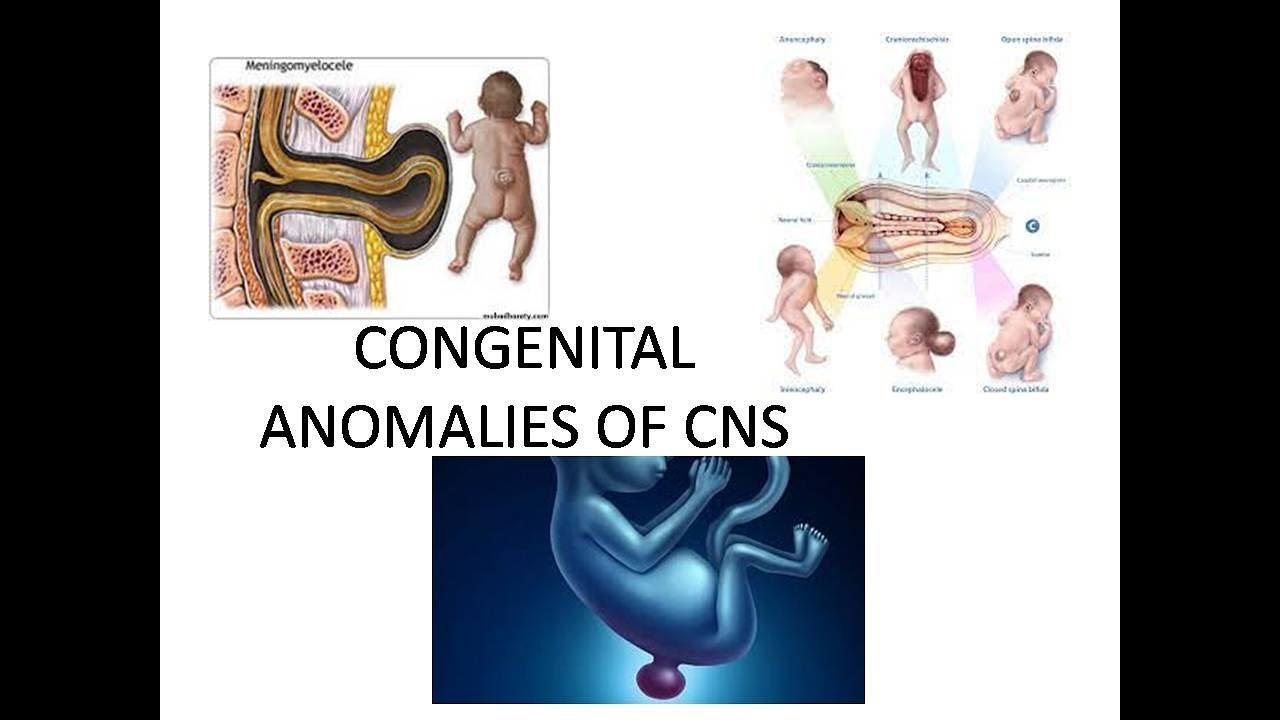
Early Intervention and Long-Term Rehabilitation for Children with Congenital Anomalies in Riyadh
The clinical journey for children born with congenital anomalies in Riyadh does not end at surgical discharge. As tertiary care centers achieve higher success rates in initial corrections, the focus of the healthcare system has shifted toward the "continuum of care." Recognizing that structural malformations often carry life-long developmental, physical, and cognitive implications, Riyadh has developed a robust framework for early intervention and long-term rehabilitation.
The Shift Toward Early Intervention
"Early Intervention" (EI) is defined in Riyadh’s clinical practice as a proactive, multi-disciplinary effort to mitigate the secondary effects of birth defects. For conditions like cerebral palsy associated with congenital malformations or complex genetic syndromes, the critical window for intervention is infancy.
-
Integrated Referral Pathways: Riyadh’s specialized hospitals have implemented "cradle-to-childhood" tracking. Once an anomaly is diagnosed—whether prenatally or at birth—the patient is automatically linked to pediatric rehabilitation services. This prevents the "lost to follow-up" scenarios that often occur during the transition from acute surgical care to long-term monitoring.
-
Early Stimulation and Therapy: For neonates with neurodevelopmental risk, EI programs emphasize sensory integration, motor therapy, and feeding support. Specialized centers provide home-based training for parents, acknowledging that the home environment is the primary site of early development.
Multidisciplinary Rehabilitation Infrastructure
Long-term rehabilitation in Riyadh is increasingly centered on a "hub-and-spoke" model, where tertiary hospitals provide the high-acuity oversight, and community-based centers provide ongoing, local support.
-
Multidisciplinary Teams (MDTs): Effective rehabilitation is led by pediatric physiatrists who coordinate care across several specialties, including:
-
Speech and Language Pathology (SLP): Critical for children with craniofacial anomalies or neurological deficits.
-
Occupational Therapy (OT): Focused on improving the child's autonomy in daily life, especially for those with musculoskeletal impairments.
-
Physical Therapy (PT): Essential for gross motor development and correcting gait or posture issues following orthopedic surgeries.
-
-
Technological Integration: Advances such as robotic-assisted gait training and virtual reality-based physical therapy are becoming available in leading rehabilitation facilities in the city, providing children with engaging and highly repetitive therapeutic stimuli that traditional therapy might lack.
Addressing the Psychosocial and Family Dimension
Riyadh’s rehabilitation model strongly emphasizes the family unit, acknowledging that parents are the primary partners in their child’s success.
-
Parental Empowerment: Counseling services at major Riyadh hospitals now prioritize "caregiver training." Parents are taught how to perform basic physical exercises and manage complex equipment (like orthotics or feeding pumps) at home, which increases the frequency of therapy and lowers the child's reliance on hospital visits.
-
Peer Support and Resilience: Establishing support groups for families is a vital component of the city’s rehab framework. These groups facilitate the exchange of practical advice, emotional support, and shared navigation of the local healthcare bureaucracy, helping families manage the long-term stress of raising a child with chronic needs.
Long-Term Challenges and Future Strategies
While the infrastructure for rehabilitation has expanded significantly, the city faces ongoing challenges in achieving universal service integration:
-
Standardized Follow-up: Health authorities are working to digitize rehabilitation records, allowing a child’s progress to be tracked seamlessly from infancy through adolescence across different service providers.
-
Inclusion in Education: An emerging focus for the Riyadh medical community is the coordination with the Ministry of Education to ensure that children with physical or cognitive challenges receive appropriate support within mainstream school settings.
-
Transition to Adult Care: A critical gap being addressed is the "transition period"—the move from pediatric to adult medical services. Programs are currently being designed to ensure that teenagers with chronic congenital conditions maintain continuity of care as they enter adulthood.
By weaving rehabilitation into the very fabric of pediatric care, Riyadh is moving beyond the simple "fix" of congenital anomalies. The goal is to provide affected children with the tools they need to achieve maximum functional independence and integrate successfully into society, ensuring that their quality of life matches their medical survival.

 English
 French
 Spanish
 Portuguese
 Deutsch
 Turkish
 Dutch
Dutch
 Italiano
 Russian
 Romaian
 Portuguese (Brazil)
 Greek
Greek