


Iron deficiency anaemia is one of the most commonly diagnosed nutritional conditions worldwide. Doctors and patients alike tend to approach it the same way: increase dietary iron, consider supplementation, retest in three months. What is less commonly considered is whether an underlying parasite infection is actively depleting iron faster than dietary or supplementary intake can replace it.
The Connection Between Hookworm and Iron Depletion
Hookworms are blood feeders. Each adult hookworm extracts a small but measurable amount of blood from the intestinal wall every day. In a light infection this is inconsequential. In a moderate to heavy infection involving dozens or hundreds of worms, the cumulative daily blood loss becomes clinically significant. The result is iron deficiency anaemia that does not respond well to supplementation because the underlying cause is still actively consuming iron.
This is not a rare or exotic scenario. Hookworm infection affects hundreds of millions of people globally, including in populations in developed countries where transmission from contaminated soil or travel exposure occurs. A patient presenting with unexplained iron deficiency, particularly one that has not fully resolved with standard supplementation, is a candidate for parasite testing.
Other Ways Worms Deplete Nutritional Status
Beyond iron, intestinal worms affect nutritional status through several mechanisms. They compete directly with the host for ingested nutrients. They cause intestinal inflammation that reduces the surface area available for nutrient absorption. They trigger immune responses that increase metabolic demand. The combined effect on someone carrying a chronic undiagnosed infection can include deficiencies in protein, B vitamins, zinc, and vitamin A in addition to iron.
Children are disproportionately affected and the impact on growth and cognitive development is well documented in the research literature. For adults the effects are less dramatic but still meaningful in terms of energy, immune function, and overall wellbeing.
Treating the Underlying Infection
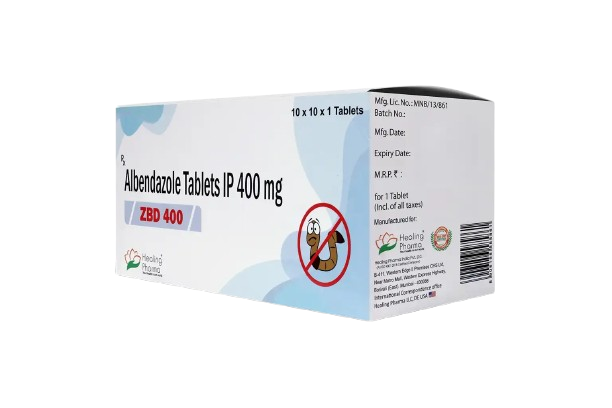
Treating the parasite infection is the most direct way to address parasite related nutritional depletion. Once the worms are eliminated and the intestinal environment begins to recover, nutrient absorption improves and supplementation becomes far more effective. Albendazole is the standard treatment for hookworm as well as the majority of other common intestinal worm types.
The 400 mg albendazole tablet that consistently appears as the recommended option for this purpose is available with full clinical details, dosage information, and patient reviews. Readers wanting to understand exactly how this specific antiparasitic tablet works for hookworm and related infections will find everything they need on the product page before discussing it with their physician.
Putting Antiparasitic Options in Context
For anyone building a broader picture of the antiparasitic landscape and wanting to understand how different drug classes and compounds compare in terms of what they treat and how they work, this resource covering the range of antiparasitic medications provides a useful comparative overview.
The Practical Takeaway
If you have been supplementing iron for several months without achieving normal levels, or if your anaemia keeps recurring after periods of improvement, raise the possibility of a parasite screen with your doctor. A stool test is inexpensive, non invasive, and could provide the missing explanation that dietary interventions alone have not been able to address.

 English
 Arabic
 French
 Spanish
 Portuguese
 Deutsch
 Turkish
 Italiano
 Russian
 Romaian
 Portuguese (Brazil)
 Greek
Greek