


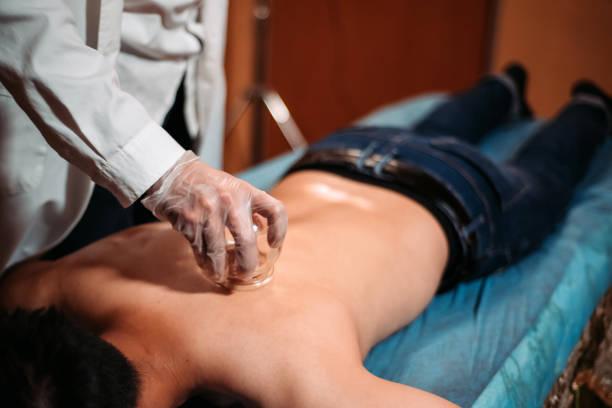
Back pain affects daily life for many adults, so simple care choices matter. People searching for the best cupping therapy in Atlanta GA often want relief without heavy pressure or a rushed visit. Cupping may help ease pain for some people, although research quality varies. The NCCIH says cupping may reduce pain, but stronger studies are still needed.
1. Know What the Best Cupping Therapy in Atlanta GA Does
Cupping uses suction on the skin. As a result, blood flow may rise in sore areas. The cups can sit still, or they may glide across tight muscles. Many people choose it for back pain, neck pain, and muscle tension. Cleveland Clinic notes that cupping may help back pain, though results can differ. It also says marks, bruising, and skin irritation can happen.
Because of that, people should treat cupping as body care, not a magic fix. Also, it should not replace medical care for severe pain. Still, it may support comfort when used with smart habits.
2. Check the Provider’s Training
A good provider should explain the method before starting. Also, they should ask about health history. This matters because cupping may not fit every person. For example, people with skin infections or bleeding issues need extra care.
Look for these signs:
-
The provider explains dry cupping, moving cupping, and safety steps.
-
The room looks clean, calm, and well-kept.
-
The provider uses clean cups and safe skin practices.
-
The session starts with questions about pain level and goals.
The best cupping therapy in Atlanta GA should feel clear from the first visit. In addition, the provider should never rush the client.
3. Match the Session to Back Pain
Back pain can come from many causes. For example, tight muscles, poor posture, stress, or long sitting can all play a role. Therefore, the provider should not use the same plan for everyone. Instead, they should focus on where the back feels tight.
Cupping may work best for muscle-related soreness. A 2024 review found moderate to high-quality evidence that cupping improved low back pain and disability. However, the study still called for better research.
So, clients should ask simple questions. Where will the cups go? How strong will the suction be? How long will marks last? Good answers build trust.
4. Ask About Safety First
Safety should come before comfort claims. In addition, clean tools matter every time. Cupping can leave round marks, which often fade. However, skin injury or infection can happen when care is poor.
Before booking, ask:
-
Do they clean or replace cups after every client?
-
Do they avoid broken, rashy, or infected skin?
-
Do they explain possible marks and soreness?
-
Do they suggest medical care for sharp or sudden pain?
Also, cupping therapy in Atlanta can feel relaxing when done with care. Still, clients should speak up during the session. If suction hurts too much, the provider should adjust it right away.
5. Look for a Full Back-Care Approach
Cupping works better when it fits into a wider plan. For example, stretching, movement, sleep, and hydration can support results. Also, better desk posture can reduce repeat tension. This matters because back pain often returns when daily habits stay the same.
A good provider may suggest gentle aftercare. They may also advise rest after deeper work. However, they should avoid bold cure claims. NCCIH notes that evidence for cupping is not strong enough for firm claims about many conditions.
Therefore, clients should choose honesty over hype. A clear provider explains benefits, limits, and next steps.
6. Read Reviews With Care
Reviews can help, but they should not decide everything. First, look for details about back pain results. Next, notice comments about listening, cleanliness, and comfort. Also, check whether people mention clear explanations before treatment.
However, perfect reviews are not always the best sign. Real feedback often includes small details. For example, a client may say the marks lasted four days. Another may say the provider lowered the suction when asked. Those details matter.
When searching for cupping therapy Atlanta, readers should compare more than price. Instead, they should compare safety, skill, and communication. As a result, they can avoid random choices and feel more confident.
7. Understand What Results May Feel Like
Some people feel looser after one session. Others need more time. Also, some people feel mild soreness after treatment. That can happen because suction pulls the skin and nearby tissue. Cleveland Clinic says cupping increases blood flow to the area and may cause bruising.
Results also depend on the cause of pain. For example, muscle tightness may respond better than nerve pain. Therefore, red flags need medical care. These include numbness, weakness, fever, injury, or pain spreading down the leg.
So, cupping should be part of smart self-care. It should not hide serious symptoms.
8. Choose Comfort, Skill, and Clear Communication
The best choice feels professional and easy to understand. First, the provider listens. Next, they explain the process. Then, they adjust the session based on comfort. Also, they give simple aftercare steps.
The visit should feel calm, not confusing. The provider should ask about pressure during the session. They should also explain when to return. Most of all, they should respect the client’s limits.
Back pain can make simple tasks harder. However, the right cupping session may support relief and movement. For people comparing, Rest, Relax & Rewind can be considered when comfort, care, and clear service matter most.

 English
 Arabic
 French
 Spanish
 Portuguese
 Turkish
 Dutch
Dutch
 Italiano
 Russian
 Romaian
 Portuguese (Brazil)
 Greek
Greek