


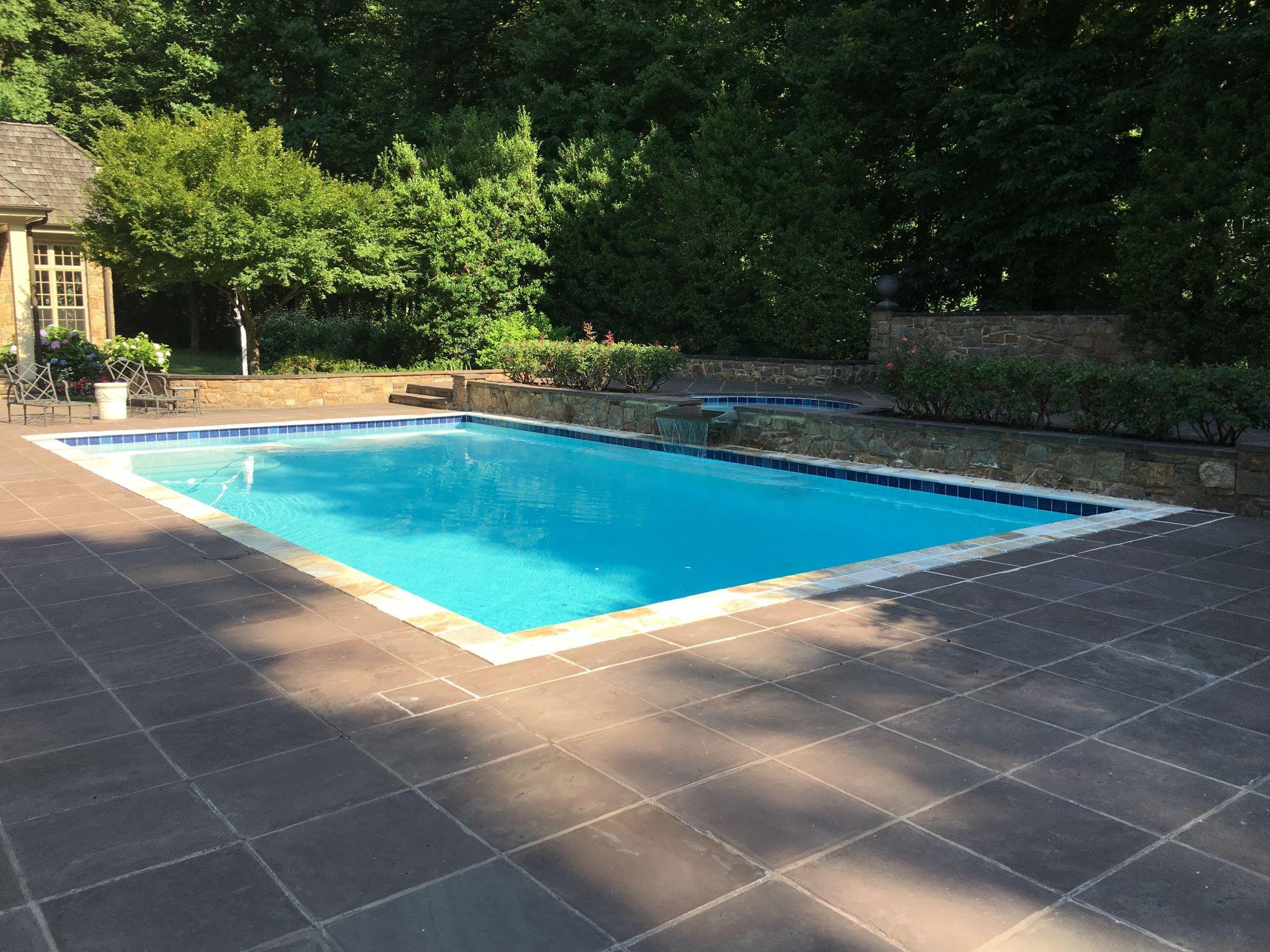
A commercial pool has to do more than look nice. It needs to feel clean, safe, comfortable, and ready for constant use. Hotels, resorts, apartment communities, fitness centers, schools, and public facilities all depend on their pools to make a good impression. When the pool surface starts to look rough, stained, cracked, or outdated, it can affect the entire property. That is where commercial pool replaster becomes important.
Replastering is one of the most effective ways to restore an aging pool. It gives the swimming surface a fresh finish, improves comfort for swimmers, and helps protect the pool structure underneath. For commercial properties, it is not just a cosmetic upgrade. It is part of responsible pool care.
What Is Commercial Pool Replaster?
Commercial pool replaster is the process of removing or preparing the old pool surface and applying a new plaster finish. The plaster is the smooth layer that covers the concrete or gunite shell of the pool.
Over time, this surface wears down because of water chemistry, heavy use, cleaning, sunlight, and pool chemicals. In a commercial setting, the wear can happen faster because more people use the pool every day. A new plaster surface makes the pool look brighter, cleaner, and more inviting. It also helps seal and protect the pool shell.
Why Commercial Pools Need Replastering
Commercial pools face more pressure than backyard pools. They often operate for long hours and serve many swimmers. Sunscreen, body oils, dirt, chemicals, and cleaning equipment all affect the plaster surface.
After years of use, the plaster may become rough, discolored, or uneven. Swimmers may notice the surface feels scratchy under their feet. Property managers may notice stains that no longer clean off easily. If the damage continues, the pool can become harder to maintain and less appealing to guests or residents. Replastering brings the pool back to a cleaner, smoother, and more professional condition.
Signs Your Pool Needs Replastering
There are several signs that a commercial pool may need replastering. One of the most common is a rough surface. If swimmers complain about scratched feet or uncomfortable texture, the plaster may be worn down.
Stains are another warning sign. Some stains come from minerals, metals, algae, or poor water balance. If cleaning no longer improves the appearance, the surface may need replacement. Cracks, chips, flaking, hollow spots, and visible wear are also signs of trouble.
A faded or dull pool surface may not always be dangerous, but it can make the whole pool area look older than it really is.
Improving Appearance
The most obvious benefit of commercial pool replaster is appearance. A fresh plaster finish can completely change the look of a pool.
Old plaster often looks cloudy, gray, stained, or patchy. New plaster gives the water a cleaner and brighter appearance. Depending on the finish color, the pool water can look light blue, deep blue, turquoise, or natural.
For hotels and resorts, this matters a lot. Guests often judge a pool by how clean and inviting it looks. For apartment communities and clubs, an attractive pool can improve resident satisfaction and property value.
Better Comfort for Swimmers
A pool surface should feel smooth and comfortable. When plaster becomes rough, it can irritate feet, hands, and skin. This is especially noticeable in shallow areas, steps, benches, and pool entries. Replastering creates a smoother surface for swimmers.
This can make the pool more enjoyable and reduce complaints from guests, residents, or members. In a commercial pool, comfort is part of the overall experience. People are more likely to return to a pool that feels clean and pleasant.
Protecting the Pool Structure
Plaster is not only decorative. It also protects the concrete pool shell. When plaster wears too thin or becomes damaged, water can reach areas it should not.
Commercial pool replaster helps maintain a protective barrier. It can prevent further surface deterioration and extend the life of the pool. Ignoring worn plaster may save money in the short term, but it can lead to more expensive repairs later.
Different Finish Options
Traditional white plaster is still a common choice. It creates a classic, clean pool appearance and is often more affordable than upgraded finishes.
Quartz finishes are popular because they are stronger and more stain-resistant than basic plaster. They also add color and texture to the pool surface.
Pebble finishes offer a natural look and excellent durability. They are often used in resorts, luxury properties, and high-traffic pools. They cost more but can last longer when maintained properly.
The Replastering Process
Commercial pool replastering requires planning. First, the pool must be drained. Then the old surface is inspected. Damaged areas may need to be chipped out, repaired, or prepared so the new plaster bonds correctly.
After preparation, the new plaster or finish is applied by skilled workers. The surface must be smoothed and finished carefully. Once the plaster is installed, the pool is refilled. The startup process is very important. Water chemistry must be balanced properly to protect the new surface as it cures.
Planning Around Pool Closures
One challenge with commercial pool replaster is scheduling. The pool will need to be closed during the project. For hotels, apartments, and recreation facilities, this can affect guests, residents, or members. That is why planning ahead is important.
Many properties schedule replastering during slower seasons or times when pool use is lower. Clear communication can also help reduce frustration.
Maintenance After Replastering
New plaster needs proper care. The first few weeks are especially important because the surface is still curing. Water chemistry must be tested and balanced regularly. Brushing the surface as recommended helps remove plaster dust and supports an even finish.
After the startup period, regular maintenance remains important. Poor water balance can cause staining, scaling, etching, or roughness. Proper cleaning and chemical control help the new surface last longer. For commercial pools, trained maintenance staff or professional pool service can make a big difference.
Choosing the Right Contractor
Commercial pool replastering is not a small job. It requires experience, proper materials, and careful workmanship.
A good contractor should understand commercial pool requirements, safety standards, drainage, surface preparation, and water chemistry. They should also explain finish options, timelines, maintenance needs, and expected results. Choosing the cheapest option is not always the best decision. Poor replastering can lead to peeling, stains, rough spots, or early failure.
Final Thoughts
Commercial pool replaster is one of the best ways to restore an aging or worn pool. It improves appearance, swimmer comfort, surface protection, and overall property appeal. For hotels, resorts, apartments, fitness centers, schools, and public pools, the condition of the pool matters. A rough, stained, or damaged surface can make guests question cleanliness and safety. A fresh plaster finish creates a better experience and a stronger impression. With the right finish, skilled installation, and proper maintenance, commercial pool replaster can help keep a pool beautiful, comfortable, and ready for years of use

 English
 French
 Spanish
 Portuguese
 Deutsch
 Turkish
 Dutch
Dutch
 Italiano
 Russian
 Romaian
 Portuguese (Brazil)
 Greek
Greek