


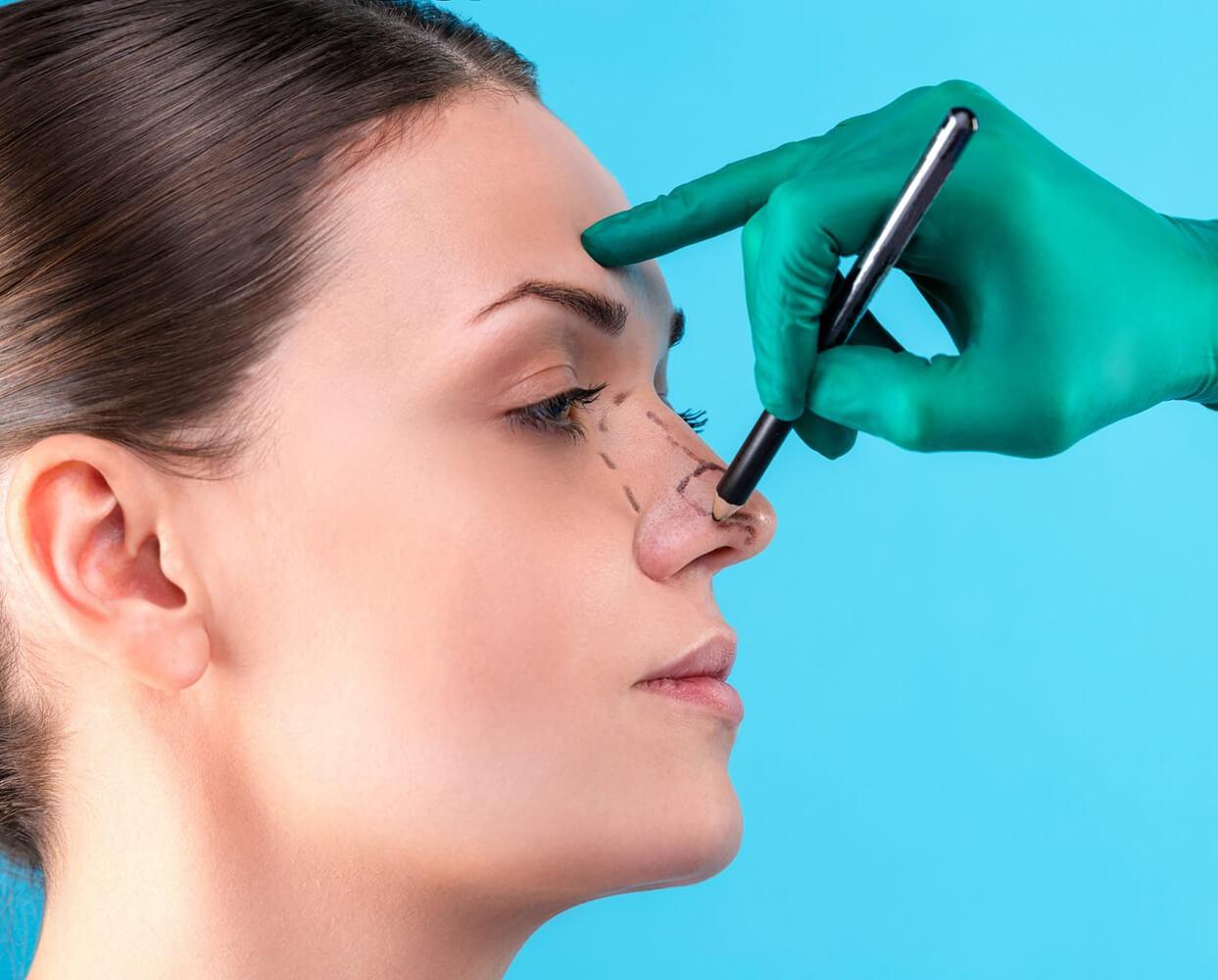
Ethnic Rhinoplasty Considerations for Middle Eastern Facial Features
Ethnic rhinoplasty has become an increasingly important area of cosmetic and reconstructive surgery, especially in regions where patients seek refinement of nasal features while preserving their natural ethnic identity. In the context of Middle Eastern facial features, rhinoplasty requires a highly individualized and culturally sensitive approach. Rather than applying a one-size-fits-all technique, surgeons focus on enhancing facial harmony while maintaining the unique characteristics that define Middle Eastern beauty. Rhinoplasty in Riyadh is a popular cosmetic procedure chosen by many individuals seeking to enhance facial harmony and improve nasal function.
Understanding Ethnic Rhinoplasty
Ethnic rhinoplasty refers to nasal surgery performed on individuals with non-Caucasian facial features, where anatomical structure, skin thickness, and aesthetic goals may differ significantly. For Middle Eastern patients, the goal is often not to completely change the appearance of the nose but to refine it in a way that looks natural and balanced with the rest of the face.
Middle Eastern noses commonly feature a strong nasal bridge, thicker skin, a wider nasal base, and sometimes a drooping or bulbous nasal tip. These characteristics are not flaws but natural traits that require careful surgical planning when aesthetic enhancement is desired.
Preserving Ethnic Identity and Natural Beauty
One of the most important considerations in ethnic rhinoplasty is preserving ethnic identity. Many patients from Middle Eastern backgrounds prefer results that maintain their recognizable features while improving proportions. Over-reduction or overly “Westernized” results are generally avoided in modern aesthetic surgery.
Instead, surgeons aim for subtle refinement. This may include smoothing a dorsal hump, slightly narrowing the nasal bridge, or lifting and defining the nasal tip without making it appear overly sharp or artificial. The goal is always to enhance natural beauty rather than replace it.
Skin Thickness and Structural Differences
Skin thickness plays a major role in rhinoplasty outcomes for Middle Eastern patients. Thicker skin can limit the visibility of fine structural changes beneath it, meaning that surgeons must carefully shape the underlying cartilage to achieve the desired external appearance.
Additionally, the nasal cartilage in many Middle Eastern noses may be softer or less defined, requiring structural support techniques such as cartilage grafting. These grafts help maintain shape, improve definition, and ensure long-term stability of results.
Common Aesthetic Concerns
Patients seeking ethnic rhinoplasty in Middle Eastern populations often present with specific concerns, including:
- A prominent dorsal hump on the nasal bridge
- A wide or low nasal bridge
- A drooping or under-projected nasal tip
- Wide nostrils or a broad nasal base
- Asymmetry caused by genetics or injury
Each of these concerns requires a tailored surgical approach. The surgeon’s skill lies in balancing correction with preservation so the nose complements the patient’s overall facial structure.
Functional Considerations Alongside Aesthetics
Ethnic rhinoplasty is not purely cosmetic. Many Middle Eastern patients also experience functional issues such as a deviated septum or restricted airflow. In such cases, functional correction is performed alongside aesthetic refinement.
Improving breathing function while reshaping the nose ensures that patients benefit both medically and cosmetically. This combined approach, often referred to as septorhinoplasty, is a standard practice in modern nasal surgery.
Importance of Facial Harmony
Facial harmony is a central principle in ethnic rhinoplasty. Middle Eastern facial features often include strong jawlines, defined cheekbones, and expressive eyes. The nose must be shaped in a way that complements these features rather than overpowering them.
A successful rhinoplasty does not draw attention to the nose itself but instead enhances overall facial balance. Even small adjustments can significantly improve proportions and create a more refined appearance while maintaining authenticity.
Advanced Surgical Techniques
Modern rhinoplasty techniques have significantly improved outcomes for Middle Eastern patients. Surgeons now use advanced methods such as preservation rhinoplasty, structural grafting, and ultrasonic tools to achieve more precise results with less trauma to nasal tissues.
These techniques help reduce swelling, improve healing time, and provide long-lasting, natural-looking results. They also allow surgeons to work more conservatively, which is especially important in ethnic rhinoplasty where subtlety is key.
Psychological and Cultural Sensitivity
Cultural expectations and personal identity play a major role in decision-making. Many patients seek reassurance that their appearance will not be dramatically altered. Therefore, consultation is a crucial step where patients discuss their goals, concerns, and desired level of change.
A good surgical plan respects cultural identity while aligning with the patient’s personal vision of beauty. This balance is essential for achieving satisfaction and confidence after surgery.
Conclusion
Ethnic rhinoplasty for Middle Eastern facial features is a highly specialized procedure that requires precision, artistry, and cultural awareness. The focus is not on changing identity but on enhancing natural harmony, improving function, and refining proportions. By respecting ethnic characteristics and using advanced surgical techniques, surgeons can achieve results that are both aesthetically pleasing and personally meaningful, helping patients feel confident while staying true to their natural appearance.

 English
 Arabic
 French
 Spanish
 Portuguese
 Deutsch
 Turkish
 Dutch
Dutch
 Italiano
 Romaian
 Portuguese (Brazil)
 Greek
Greek