


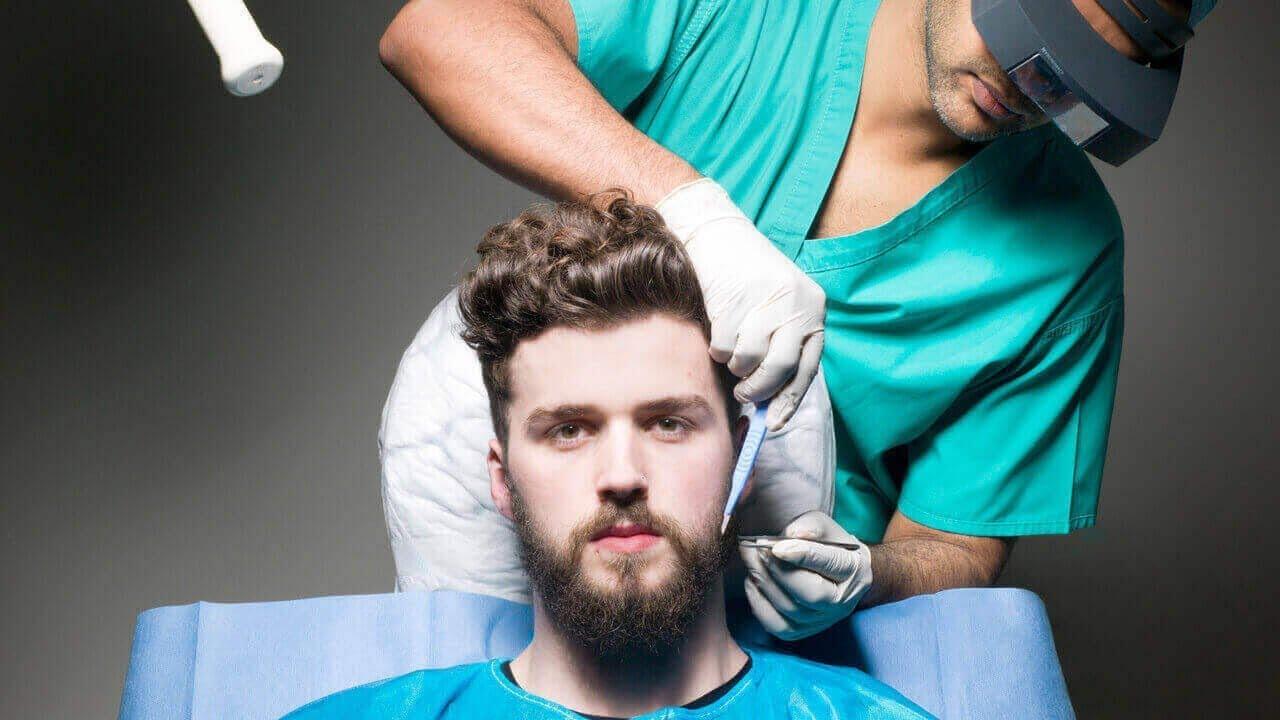
A beard hair transplant is a meticulous procedure that requires careful planning, precision, and post-operative care to achieve natural-looking results. The process involves several stages, from consultation and preparation to follicle harvesting, implantation, and recovery. Understanding each step helps patients know what to expect and ensures better outcomes. If you’re looking to achieve a fuller and well-defined facial appearance, a Beard hair transplant in Riyadh can provide natural-looking results with lasting impact.
Step 1: Initial Consultation and Assessment
The process begins with a thorough consultation with a qualified hair transplant surgeon. During this session, the surgeon evaluates the patient’s facial hair growth, skin condition, and overall health. They also examine the donor area, typically the back or sides of the scalp, to ensure there is enough healthy hair for transplantation. The surgeon discusses the patient’s goals, such as filling in patchy areas, correcting scars, or creating a particular beard style. At this stage, realistic expectations are set regarding achievable density, growth patterns, and the number of grafts required. Photographs of the face may be taken for planning and comparison purposes.
Step 2: Designing the Beard Pattern
Once suitability is confirmed, the surgeon designs the beard pattern on the patient’s face. This design considers the patient’s facial structure, natural hair growth direction, and symmetry. Each hair follicle grows at a specific angle on the face, and the surgeon must mimic this to ensure a natural appearance. The design may include areas for a full beard, goatee, mustache, or sideburns, depending on the patient’s desired style. This planning phase is critical, as incorrect angles or density can lead to unnatural results.
Step 3: Preparation for the Procedure
Before the transplant begins, the patient’s donor and recipient areas are cleaned and sterilized. Local anesthesia is administered to both the donor site on the scalp and the recipient area on the face, ensuring the procedure is pain-free. Patients remain awake during the surgery but may feel mild pressure. The surgeon may also provide mild sedation for added comfort.
Step 4: Harvesting Hair Follicles (Donor Extraction)
The most common technique for harvesting hair follicles is Follicular Unit Extraction (FUE). In this method, individual hair follicles are carefully extracted from the donor area using a specialized punch tool. Each follicle is preserved in a nutrient solution to maintain viability. FUE is preferred because it leaves minimal scarring, allows faster healing, and provides hair suitable for facial transplantation. Depending on the number of grafts needed, this process can take several hours, as the surgeon works meticulously to preserve the integrity of each follicle.
Step 5: Preparing the Recipient Area
After harvesting, the surgeon prepares the recipient area by making tiny incisions or slits where the follicles will be implanted. The angle, depth, and direction of each incision are carefully controlled to mimic natural facial hair growth. This step is crucial for achieving a realistic beard pattern, as facial hair grows at different angles across the jawline, cheeks, and chin. The surgeon also plans the spacing of each graft to ensure even coverage and appropriate density.
Step 6: Implanting Hair Follicles
The extracted follicles are then implanted individually into the prepared slits. Surgeons use fine instruments to place each follicle at the correct angle and depth. This step requires precision, patience, and skill, as even slight deviations can result in unnatural growth patterns. Typically, hundreds to thousands of grafts are implanted during a single session, depending on the patient’s desired beard density and coverage.
Step 7: Post-Operative Care
After the procedure, patients are given detailed instructions for care. The face may show redness, swelling, and minor scabbing around each transplanted follicle, which usually subsides within a few days to a week. Patients are advised to avoid touching, rubbing, or scratching the recipient area, as this could dislodge the follicles. Gentle cleaning and the use of prescribed topical solutions help promote healing. Strenuous activity, excessive sun exposure, and smoking are discouraged during the initial recovery period.
Step 8: Shedding and New Hair Growth
Within the first few weeks, the transplanted hairs may shed, a normal part of the process called “shock loss.” This is temporary, and new hair typically begins to grow after three to four months. Initial growth may be fine and uneven, but over the next six to twelve months, the hair thickens and fully matures, blending seamlessly with existing facial hair. Patients may need minor touch-ups or additional sessions if higher density is desired.
Step 9: Long-Term Maintenance
The transplanted beard hair is permanent because it retains the genetic characteristics of the donor area. Once fully grown, it can be trimmed, styled, and groomed like natural beard hair. Maintaining healthy skin and hair through proper nutrition, hydration, and gentle care contributes to lasting results. Follow-up appointments with the surgeon help monitor progress and address any concerns.
In summary, a beard hair transplant is a carefully planned and executed procedure that involves consultation, design, follicle harvesting, precise implantation, and post-operative care. By following these steps, patients can achieve a natural, fuller beard that enhances facial aesthetics and boosts confidence. Patience and proper aftercare are key to enjoying the long-term benefits of this transformative procedure.

 English
 Arabic
 French
 Spanish
 Portuguese
 Deutsch
 Dutch
Dutch
 Italiano
 Russian
 Romaian
 Portuguese (Brazil)
 Greek
Greek