


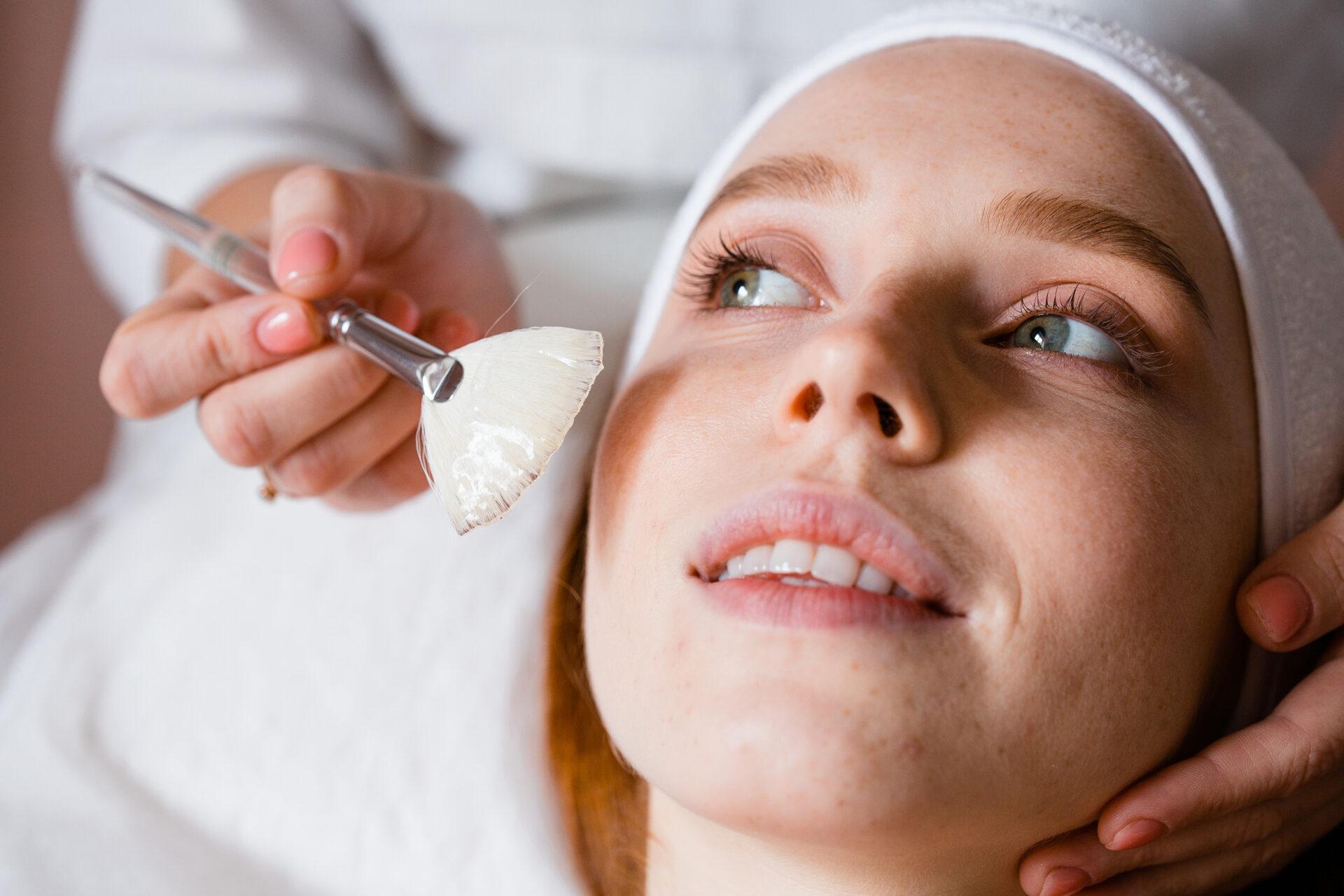
For anyone considering skin rejuvenation treatments, Chemical Peels in Islamabad offer an effective solution for improving skin texture, reducing acne, fading pigmentation, and minimizing fine lines. One of the most common questions patients ask is, “How often should I get a chemical peel?” The frequency of chemical peels depends on factors such as your skin type, skin concerns, and the type of peel being performed. In this comprehensive guide, we will discuss how often you should schedule chemical peel sessions, the different types of peels, and tips for maximizing results safely.
Understanding Chemical Peels
Chemical peels are dermatological procedures that involve applying a chemical solution to the skin to exfoliate dead skin cells and promote the growth of new, healthy skin. These treatments can range from light, superficial peels to deeper peels that target more severe skin issues. Depending on your skin’s needs, chemical peels can improve:
-
Fine lines and wrinkles
-
Uneven skin tone and pigmentation
-
Acne and acne scars
-
Sun damage and age spots
-
Enlarged pores and dull skin
By removing damaged outer layers, chemical peels stimulate collagen production, improve skin elasticity, and leave the skin smoother and more radiant.
Types of Chemical Peels and Their Frequency
The type of chemical peel largely determines how often it can be safely performed. Here’s a breakdown of the main types and recommended intervals:
1. Superficial Peels
Superficial peels, also called light peels, target the outermost layer of the skin. They are usually made with mild acids like glycolic acid, lactic acid, or salicylic acid.
-
Frequency: Every 2–4 weeks
-
Ideal For: Mild pigmentation, dull skin, minor acne, and early signs of aging
-
Benefits: Improves skin texture, reduces surface discoloration, and provides a gentle glow
-
Recovery: Minimal downtime; slight redness or flaking may occur
2. Medium Peels
Medium-depth peels penetrate the middle layers of the skin and often use trichloroacetic acid (TCA) or stronger glycolic acid formulations.
-
Frequency: Every 4–6 months, depending on the individual’s skin and treatment plan
-
Ideal For: Moderate acne scars, sun damage, deeper pigmentation, and fine lines
-
Benefits: Smooths skin, improves tone, and reduces visible scars
-
Recovery: Slight redness, peeling, and temporary sensitivity for about a week
3. Deep Peels
Deep peels, often performed using phenol, reach the lower layers of the skin. These are designed for more severe wrinkles, scars, and sun damage.
-
Frequency: Typically performed once due to the intensity of treatment
-
Ideal For: Mature skin with deep wrinkles, pronounced scarring, and extensive sun damage
-
Benefits: Long-lasting and dramatic skin rejuvenation
-
Recovery: Longer downtime of 2–3 weeks; strict post-care is essential
4. Combination Peels (Jessner’s Peel)
Jessner’s peel is a combination peel that uses salicylic acid, lactic acid, and resorcinol to target multiple skin concerns.
-
Frequency: Every 6–8 weeks, depending on skin response
-
Ideal For: Acne-prone or combination skin, post-acne marks, and uneven tone
-
Benefits: Treats acne, improves skin clarity, and reduces mild sun damage
-
Recovery: Mild redness and flaking; typically resolves within a week
5. Salicylic Acid Peels
Salicylic acid peels are particularly effective for oily and acne-prone skin because they penetrate deep into pores.
-
Frequency: Every 3–6 weeks for acne treatment
-
Ideal For: Persistent acne, blackheads, and oily skin
-
Benefits: Clears pores, reduces breakouts, and improves skin texture
-
Recovery: Minimal downtime; some redness or peeling may occur
Factors Affecting the Frequency of Chemical Peels
Several factors influence how often you should schedule chemical peel treatments:
-
Skin Type: Sensitive skin may require longer intervals between peels, while resilient skin may tolerate more frequent treatments.
-
Skin Concerns: Minor issues like dullness or mild pigmentation can benefit from frequent light peels, whereas severe acne scars or deep wrinkles require longer intervals for healing.
-
Age: Younger skin tends to heal faster and may tolerate more frequent peels, while mature skin may need longer recovery periods.
-
Previous Treatments: If you have had laser treatments, microdermabrasion, or other skin procedures, your dermatologist may adjust the frequency.
-
Post-Peel Recovery: The skin’s response to a peel can affect timing; irritation or prolonged redness may necessitate spacing out sessions.
Preparing for Your Chemical Peel
Proper preparation ensures the best results and minimizes side effects:
-
Schedule a consultation with a certified dermatologist to assess your skin type and concerns.
-
Avoid harsh skincare products, such as retinoids, exfoliants, or strong acids, at least a week before your peel.
-
Protect your skin from direct sun exposure to prevent irritation.
-
Discuss any medications or underlying health conditions with your dermatologist.
Post-Care Tips for Chemical Peels
After a chemical peel, following proper aftercare is essential:
-
Apply a gentle moisturizer to keep skin hydrated.
-
Use a broad-spectrum sunscreen daily to protect newly exposed skin.
-
Avoid picking or scratching peeling skin.
-
Skip harsh skincare products until your skin has fully healed.
-
Follow any instructions provided by your dermatologist to prevent complications and maximize results.
FAQs About Chemical Peels in Islamabad
Q1: How often should I get a chemical peel for acne?
A: Superficial or salicylic acid peels can be done every 3–6 weeks, depending on severity and skin tolerance.
Q2: Can chemical peels help with pigmentation?
A: Yes, medium and superficial peels can gradually reduce pigmentation and improve overall skin tone.
Q3: Are chemical peels safe for sensitive skin?
A: Superficial peels are generally safe, but deeper peels require professional assessment and careful supervision.
Q4: How long does a chemical peel session take?
A: Superficial peels take 30–45 minutes; medium and deep peels may take longer depending on the area treated.
Q5: How soon will I see results?
A: Superficial peels show improvement in a few days, medium peels in 1–2 weeks, and deep peels in 2–3 weeks.
Q6: Is downtime necessary after a chemical peel?
A: Downtime depends on the peel depth. Superficial peels have minimal downtime, while medium and deep peels may require several days to weeks for full recovery.
Q7: Can I combine chemical peels with other treatments?
A: Yes, chemical peels can be combined with facials or skincare routines, but consult a dermatologist for the best treatment plan and safe intervals.
Conclusion
Understanding the ideal frequency for chemical peels is essential for achieving the best results while maintaining healthy skin. The timing depends on your skin type, concerns, and the type of peel used. Superficial peels can be performed every few weeks, medium peels every few months, and deep peels are usually a one-time intensive treatment. Proper consultation, preparation, and aftercare ensure safety and maximize the benefits of each session.
For professional guidance and personalized chemical peel treatments in Islamabad, SKN Cosmetics offers expert services. Their experienced dermatologists provide customized solutions tailored to your skin type and needs, helping you achieve smoother, healthier, and radiant skin with safe and effective results.

 English
 Arabic
 French
 Spanish
 Portuguese
 Turkish
 Dutch
Dutch
 Italiano
 Russian
 Romaian
 Portuguese (Brazil)
 Greek
Greek