


When players first step into the fractured peaks of Diablo 4, something feels immediately different. The colors are muted, the shadows deep, the world oppressive in a way that earlier entries only suggested. This is a deliberate choice, a return to the gothic horror that defined the franchise's origins while leveraging modern technology to create something truly immersive. The art direction in Diablo 4 represents a philosophical stance about what this world should feel like, and every visual element serves that vision.
The departure from Diablo 3's aesthetic could not be more pronounced. Where that game embraced vibrant colors and epic scale, Diablo 4 wallows in grim realism. Blood pools under corpses. Torches flicker against stone walls, casting long shadows that seem to move when unobserved. Rain slicks cobblestone streets, reflecting the dim light of distant fires. The world feels dirty, dangerous, and ancient, exactly as Sanctuary should feel.
Character design follows the same philosophy. Heroes look like they belong in this world, scarred and weathered by years of combat. Armor shows wear. Cloth tatters at edges. Faces bear the marks of hardship. This grounded approach extends to enemies as well. Demons are not cartoonish caricatures of evil but twisted, visceral horrors that seem to have crawled from nightmare. The body horror elements, particularly in designs influenced by the franchise's signature enemy types, disturb in ways that linger after logging off.
The environmental storytelling embedded in the art direction rewards attentive players. Abandoned camps tell stories of last stands through scattered gear and fallen bodies. Ancient ruins hint at civilizations that predate human memory. The architecture varies by region, reflecting different cultures and histories. The dry steppes feel different from scosglen, which feels different from hawezar, which feels different from kehjistan. Each region has visual identity while remaining unmistakably part of the same world.
Central to the visual experience in Diablo 4 is the keyword 'atmosphere'. The game generates mood through lighting, weather, and sound working in concert. Fog rolls through mountain passes, reducing visibility and creating tension. Sandstorms blind players in the dry steppes, forcing navigation by instinct. The haunted swamps of hawezar drip with perpetual moisture, every step through murky water threatening unknown horrors. These atmospheric elements are not decorative. They affect gameplay while building immersion.
The dynamic weather and day-night cycles add another layer. A dungeon entered at noon might feel merely dangerous. The same dungeon entered at midnight, under storm clouds, with lightning illuminating the entrance, feels genuinely terrifying. These cycles remind players that Sanctuary exists independently of their presence, a living world with its own rhythms and moods.
The monster designs deserve particular attention. Each enemy type communicates its threat level and behavior through visual cues alone. The bloated corpses of the fallen telegraph their explosive deaths. The skeletal remains of warriors suggest their combat origins. The demons of the burning hells bear the marks of their origin, twisted flesh and molten rock combined into forms that seem to violate natural law. Players learn to read these visual languages instinctively, reacting to threats before mechanical engagement begins.
The user interface respects the art direction while remaining functional. Menus adopt the same gothic aesthetic as the game world, with aged parchment backgrounds and decorative borders. The map, when opened, reveals itself as a physical object within the world, a artifact carried by the character. These details, small individually, combine to maintain immersion across every interaction with the game systems.
The technical execution matches the artistic vision. Textures resolve with impressive detail at high settings. Lighting effects, particularly the way fire illuminates environments, create mood while showcasing modern rendering capabilities. Performance remains stable even during chaotic combat with dozens of enemies on screen. The technology serves the art rather than distracting from it.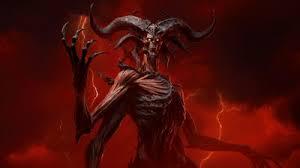
Diablo 4 Boosting's art direction represents a confident creative choice. It rejects the brightness of its immediate predecessor in favor of something darker, more mature, more aligned with the franchise's horror roots. The result is a world that feels real despite its fantasy elements, dangerous despite its game mechanics, and beautiful despite its ugliness. In the visual descent into Sanctuary, players find a hell worth exploring.

 English
 French
 Spanish
 Portuguese
 Deutsch
 Turkish
 Dutch
Dutch
 Italiano
 Russian
 Romaian
 Portuguese (Brazil)
 Greek
Greek