


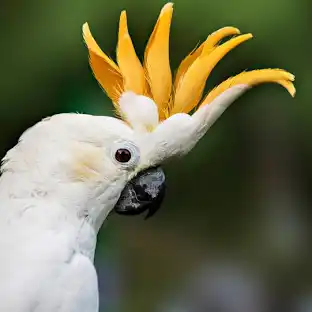
The Eclectus parrot is one of the most visually striking and unique birds in the avian world. Known for its vibrant colors, distinct sexual dimorphism, and engaging personality, the Eclectus has captured the hearts of bird enthusiasts and pet owners alike. Native to the lush rainforests of the Solomon Islands, New Guinea, and parts of northern Australia, this parrot stands out not only for its appearance but also for its intelligence and sociable nature.
Unique Appearance of Eclectus
One of the most fascinating features of the Eclectus is its sexual dimorphism, meaning males and females look dramatically different. Males are usually bright green with splashes of red and blue, while females are mostly red and purple. This striking difference in coloration is rare among parrots and contributes to their popularity in the pet trade. Their feathers are smooth and glossy, giving them a polished, jewel-like appearance.
The Eclectus also has a distinctive beak that is strong and curved, designed for cracking nuts and seeds. Its orange or yellow upper mandible and black lower mandible are easy to recognize and add to its exotic charm. These features make the Eclectus not just a visual marvel but also a well-adapted bird for survival in the wild.
Intelligence and Social Behavior
The Eclectus parrot is highly intelligent, capable of learning words, mimicking sounds, and even understanding certain commands. Their cognitive abilities make them engaging pets, as they can form strong bonds with their human caretakers. However, this intelligence comes with the need for mental stimulation. Without enough interaction and environmental enrichment, Eclectus parrots can develop behavioral problems such as feather plucking or excessive screaming.
Socially, Eclectus parrot are gentle and calm compared to other parrot species. They tend to enjoy the company of both humans and other birds, although they can be territorial during breeding season. In the wild, they are known to inhabit forest canopies, often feeding in pairs or small family groups, which reflects their cooperative nature.
Diet and Nutrition
Proper diet is crucial for the health of the Eclectus. Unlike many other parrots, they thrive on a diet rich in fruits, vegetables, and some seeds, rather than a heavy seed-based diet. In captivity, providing a variety of fresh produce ensures they receive the necessary vitamins and minerals for vibrant plumage and overall well-being. Foods like papaya, mango, carrots, and leafy greens are favorites of these parrots.
Additionally, calcium and vitamin supplements are often recommended to prevent deficiencies, especially for breeding females. Fresh water should always be available, as Eclectus parrots are sensitive to dehydration. A well-balanced diet not only maintains their health but also enhances their playful and affectionate behavior.
Habitat and Living Conditions
In their natural environment, Eclectus parrots thrive in tropical forests and woodland areas, where they can access abundant food and shelter. In captivity, they require a spacious cage with ample room for climbing and flying short distances. Providing natural branches, swings, and toys encourages physical activity and mental stimulation.
Temperature and humidity are also important considerations. Being tropical birds, Eclectus parrots prefer a warm and stable climate. Drafts or sudden changes in temperature can stress the bird, leading to illness. Regular interaction, combined with a safe and comfortable habitat, ensures the Eclectus flourishes both physically and emotionally.
Breeding and Lifespan
The Eclectus parrot is unique in its breeding habits. In the wild, females nest in tree hollows and are known to spend long periods incubating their eggs, while males provide food and protection. This division of labor highlights their cooperative and caring nature.
In captivity, successful breeding requires careful attention to diet, nesting conditions, and the compatibility of the pair. Eclectus parrots have a lifespan of 30 to 50 years when properly cared for, making them a long-term commitment for pet owners. Their longevity and deep social bonds make them companions that can last a lifetime.
Challenges of Owning an Eclectus
Owning a Eclectus parrot is rewarding but comes with challenges. Their intelligence means they require consistent social interaction and mental engagement. A bored or neglected Eclectus may develop behavioral issues. Additionally, their sensitive digestive system demands careful attention to diet.
Veterinary care is essential, and routine check-ups help prevent illnesses that can be common among parrots. Potential owners must also consider the long-term commitment, as these birds require decades of care and companionship. Understanding their unique needs ensures that both the Eclectus and their human companions enjoy a harmonious relationship.
Conclusion
The Eclectus parrot is more than just a beautiful bird; it is a remarkable companion with intelligence, personality, and charm. From its vivid coloration to its social and gentle nature, the Eclectus captivates bird lovers worldwide. Proper care, nutrition, and attention to mental stimulation are essential for their health and happiness. With dedication, an Eclectus can bring joy and companionship for decades, making it a truly exceptional bird to observe and cherish.
The allure of the Eclectus lies not only in its appearance but also in its fascinating behavior and emotional depth, offering a rewarding experience for anyone willing to meet its needs with patience and care.

 English
 Arabic
 Spanish
 Portuguese
 Deutsch
 Turkish
 Dutch
Dutch
 Italiano
 Russian
 Romaian
 Portuguese (Brazil)
 Greek
Greek