


When precision matters most, the quality of medical surgery tools can mean the difference between a successful procedure and a preventable complication. From the operating room to the outpatient clinic, surgical instruments are the backbone of modern medicine—and choosing the right ones is a responsibility that no professional takes lightly.
This guide breaks down everything you need to know about medical surgery tools: the key categories, what to look for in a supplier, and how innovations like the Javid shunt are shaping the future of surgical care.

The Foundation of Every Successful Procedure
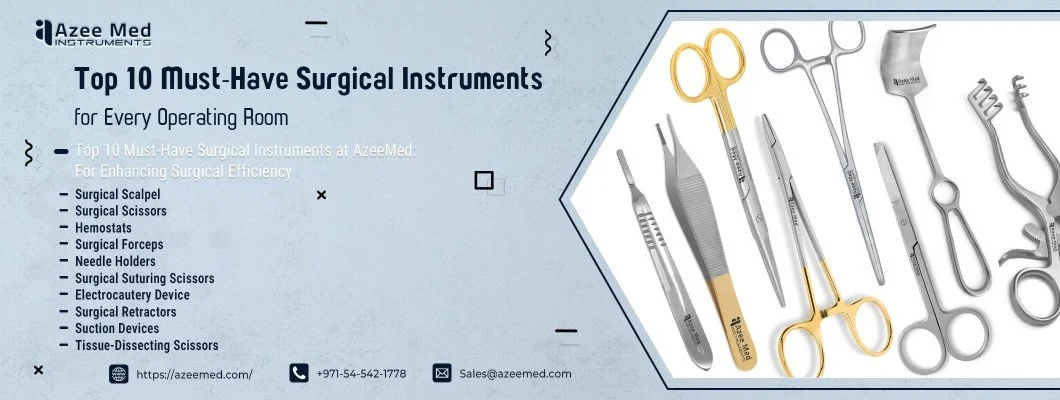
No surgical team is stronger than the tools it works with. Medical surgery tools encompass a broad range of instruments, each designed for a specific purpose within the operating environment. Broadly speaking, they fall into several key categories:
Cutting and Dissecting Instruments
Scalpels, scissors, and lancets are among the most commonly used tools in any surgical setting. Their primary function is to incise tissue with minimal trauma. The sharpness, balance, and material of these tools directly affect surgical accuracy and patient recovery time.
Clamping and Occluding Instruments
Hemostatic forceps, vascular clamps, and similar devices control bleeding during procedures. They must withstand repeated sterilization cycles without degrading in performance—a standard that separates well-manufactured instruments from inferior alternatives.
Retractors and Dilators
Surgeons rely on retractors to hold back tissue and maintain visibility throughout a procedure. The ergonomics of these tools matter enormously, particularly in lengthy operations where hand fatigue can become a factor.
Suturing and Stapling Instruments
Needle holders, suture scissors, and surgical staplers bring a procedure to its close. Precision at this stage is just as critical as at the beginning—poor closure technique can lead to complications regardless of how well the earlier steps were executed.
The Javid Shunt: A Closer Look at Specialized Vascular Tools
Among the more specialized medical surgery tools used in vascular procedures, the Javid shunt holds a prominent place. Developed to maintain cerebral blood flow during carotid endarterectomy—a procedure that removes plaque buildup from the carotid artery—the Javid shunt is a temporary bypass device that allows surgeons to work on the artery without interrupting blood supply to the brain.
The design is deceptively simple: a flexible tube with tapered ends that fit snugly into the vessel, held in place with clamps. But its impact on patient safety is significant. By reducing the risk of ischemic stroke during surgery, the Javid shunt has become a trusted tool in the hands of vascular surgeons worldwide.
Like all medical surgery tools, the quality of a Javid shunt depends heavily on its manufacturing standards. Instruments made from high-grade stainless steel, with precise tolerances and a smooth internal lumen, reduce the risk of complications and ensure reliable performance under pressure.
What Separates High-Quality Surgical Instruments from the Rest
Not all medical surgery tools are created equal. The difference between a well-crafted instrument and a poor-quality one often becomes apparent only when it matters most—mid-procedure, under pressure, with little room for error.
Here are the key markers of quality to look for:
Material Grade
Surgical-grade stainless steel (typically 316L or 17-4 PH) offers the right balance of corrosion resistance, strength, and biocompatibility. Instruments made from inferior alloys may corrode after repeated sterilization, introducing contamination risks into the sterile field.
Manufacturing Precision
Tight tolerances are non-negotiable. Instruments with poorly aligned jaws, inconsistent edge geometry, or rough finishes create unnecessary difficulty during procedures. Precision manufacturing ensures that every instrument performs the same way, every time.
Ergonomics and Balance
A well-balanced instrument reduces surgeon fatigue, particularly during complex or lengthy procedures. Ring handles, textured grips, and thoughtful weight distribution all contribute to better control and reduced risk of error.
Sterilization Compatibility
High-quality tools must withstand repeated autoclaving without warping, dulling, or corroding. Instruments that degrade quickly under sterilization protocols drive up replacement costs and compromise patient safety.
Choosing the Right Supplier for Medical Surgery Tools
For hospitals, clinics, and surgical centers, sourcing reliable medical surgery tools is a procurement decision with real clinical consequences. The supplier you choose should meet several important criteria.
Regulatory Compliance: Look for manufacturers that comply with ISO 13485 or equivalent quality management standards for medical devices. CE marking and FDA registration are also important indicators of a supplier's commitment to meeting international safety benchmarks.
Product Range: A supplier with a comprehensive catalog—covering everything from basic dissecting scissors to specialized devices like the Javid shunt—reduces the need to manage multiple vendor relationships and ensures consistency across your instrument inventory.
Traceability and Documentation: Reputable suppliers provide full documentation for their instruments, including material certifications and sterilization compatibility data. This supports hospital accreditation requirements and simplifies audits.
After-Sales Support: Instrument repair, recalibration, and replacement services are part of the long-term value a supplier provides. Companies that offer ongoing support help surgical teams maintain peak performance across their full instrument inventory.
Azeemed Instruments is dedicated to providing high-quality surgical tools that meet the needs of professionals across a wide range of specialties. With a focus on precision manufacturing, material integrity, and clinical reliability, Azeemed Instruments supplies medical surgery tools trusted by surgical teams around the world.
Maintaining Your Surgical Instruments: Best Practices
Even the best medical surgery tools require proper care to perform at their best over time. Instrument maintenance is often overlooked, but it has a direct impact on longevity, patient safety, and total cost of ownership.
Cleaning and Decontamination
Instruments should be cleaned immediately after use to prevent blood and biological material from drying on the surface. Ultrasonic cleaners are highly effective for removing debris from hinged instruments and complex geometries.
Inspection Before Sterilization
Each instrument should be visually inspected before sterilization. Look for signs of corrosion, pitting, misalignment, or damage to cutting edges. Instruments showing signs of wear should be repaired or replaced before returning to service.
Proper Storage
Store instruments in dry, protected conditions—ideally in trays with instrument mats or silicone tips that prevent damage during transport and storage. Avoid stacking instruments loosely, which can dull edges and misalign joints.
Lubrication
Hinged instruments benefit from periodic lubrication with a water-soluble, instrument-grade lubricant. This maintains smooth operation and reduces wear on moving parts over time.
Investing in the Right Tools Is Investing in Patient Outcomes
The quality of medical surgery tools shapes every stage of a surgical procedure—from the first incision to the final suture. Instruments that perform reliably, maintain their edge, and survive repeated sterilization cycles are not just a convenience; they are a clinical necessity.
Specialized tools like the Javid shunt illustrate just how far surgical instrument design has come, offering targeted solutions that improve safety in high-risk procedures. As surgical techniques continue to evolve, the instruments that support them must meet ever-higher standards of precision and reliability.
For surgical professionals and procurement teams alike, partnering with a trusted manufacturer—one that prioritizes material quality, manufacturing precision, and clinical relevance—is the most important decision in building a surgical instrument inventory that performs when it counts.

 English
 Arabic
 French
 Spanish
 Portuguese
 Deutsch
 Turkish
 Italiano
 Russian
 Romaian
 Portuguese (Brazil)
 Greek
Greek