


Introduction
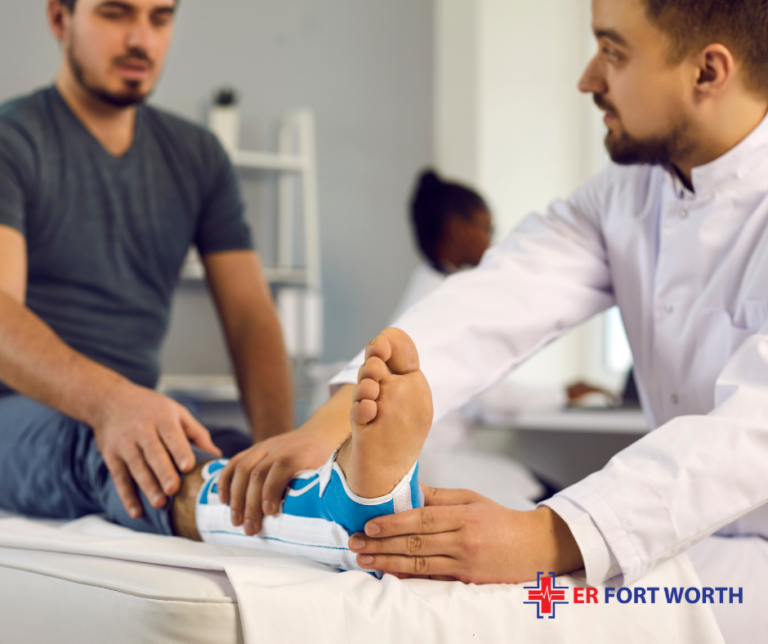
As we age, staying active remains vital for both physical and mental health. However, older adults—especially those involved in sports or regular exercise—are prone to injuries that require immediate attention. At the ER of Fort Worth, specialized emergency orthopedic care ensures seniors receive prompt, effective treatment for fractures, sprains, and other musculoskeletal emergencies. In this guide, we explore the most common injuries in silver athletes, prevention strategies, and what to expect when visiting an emergency orthopedic facility.
Understanding Silver Athlete Injuries
Common Injuries Among Older Adults
Older athletes often face unique challenges due to decreased bone density, slower healing, and joint wear. The most frequent injuries include:
-
Fractures – hips, wrists, and ankles are especially vulnerable.
-
Sprains and Strains – overstretched ligaments or muscles from sudden movements.
-
Tendonitis – inflammation of tendons due to repetitive motion.
-
Dislocations – particularly in the shoulder or knee.
-
Falls and Impact Injuries – leading to serious complications if untreated.
Why Older Athletes Are at Higher Risk
Aging naturally reduces bone strength and flexibility. Factors like osteoporosis, slower reflexes, and previous injuries increase vulnerability. Proper care and preventive measures are crucial for maintaining mobility and independence.
Emergency Orthopedic Services at ER of Fort Worth
What Is Emergency Orthopedic Care?
Emergency orthopedic care focuses on acute musculoskeletal injuries requiring immediate intervention. At the ER of Fort Worth, patients benefit from:
-
Rapid assessment of fractures, dislocations, and severe sprains
-
Advanced imaging, including X-rays and CT scans
-
Pain management and immobilization
-
Immediate surgical consultation if necessary
-
Personalized recovery plans for seniors
How the Process Works
-
Triage and Assessment: ER staff quickly determine injury severity.
-
Diagnostic Imaging: X-rays or MRI scans help pinpoint fractures or soft tissue damage.
-
Treatment Plan: Includes casting, splints, or surgical options.
-
Rehabilitation Guidance: Physical therapy and follow-ups to restore mobility.
Prevention Tips for Silver Athletes
Strength Training
Regular low-impact strength training improves muscle support around joints, reducing the risk of falls and sprains.
Flexibility and Balance
Activities like yoga or tai chi enhance balance, coordination, and flexibility, lowering injury probability.
Protective Gear
Wearing appropriate shoes, braces, and padding during activities can prevent or lessen injury severity.
Warm-Up and Cool-Down
Proper warm-ups before and stretching after exercise prepares muscles and joints for activity.
Regular Check-Ups
Routine bone density tests, joint evaluations, and orthopedic consultations help detect potential problems early.
When to Seek Emergency Orthopedic Care
Older adults should visit the ER immediately if they experience:
-
Severe pain after a fall or impact
-
Inability to move a limb
-
Obvious bone deformity
-
Swelling or bruising that worsens rapidly
-
Numbness or tingling in extremities
Benefits of Prompt Care
Quick intervention prevents complications, reduces recovery time, and minimizes long-term mobility issues.
Recovery and Rehabilitation
Personalized Plans
Recovery depends on injury type and patient age. ER of Fort Worth provides tailored rehabilitation plans focusing on:
-
Gentle physical therapy
-
Pain and inflammation management
-
Strength and endurance rebuilding
Long-Term Health
Continued exercise under guidance helps maintain independence, prevent re-injury, and support overall wellness.
FAQs About Silver Athlete Injuries and Orthopedic Care
Q1: What is the most common injury in older athletes?
A1: Fractures, especially of the hip, wrist, and ankle, are most common due to decreased bone density.
Q2: How quickly should I seek emergency orthopedic care?
A2: Immediate care is essential if pain is severe, mobility is limited, or a bone is visibly out of place.
Q3: Can older athletes fully recover from a fracture?
A3: Yes, with proper treatment, rehabilitation, and preventive strategies, most seniors regain mobility and independence.
Q4: Are surgeries often required for silver athletes?
A4: It depends on injury type. Severe fractures or dislocations may require surgery, while minor sprains and fractures might heal with immobilization.
Q5: How can I prevent injuries as a senior athlete?
A5: Strength training, balance exercises, proper equipment, warm-ups, and regular medical check-ups are key preventive measures.
For more information visit https://eroffortworthtx.com/services/orthopedic-emergency-treatment/

 English
 Arabic
 French
 Portuguese
 Deutsch
 Turkish
 Dutch
Dutch
 Italiano
 Russian
 Romaian
 Portuguese (Brazil)
 Greek
Greek