


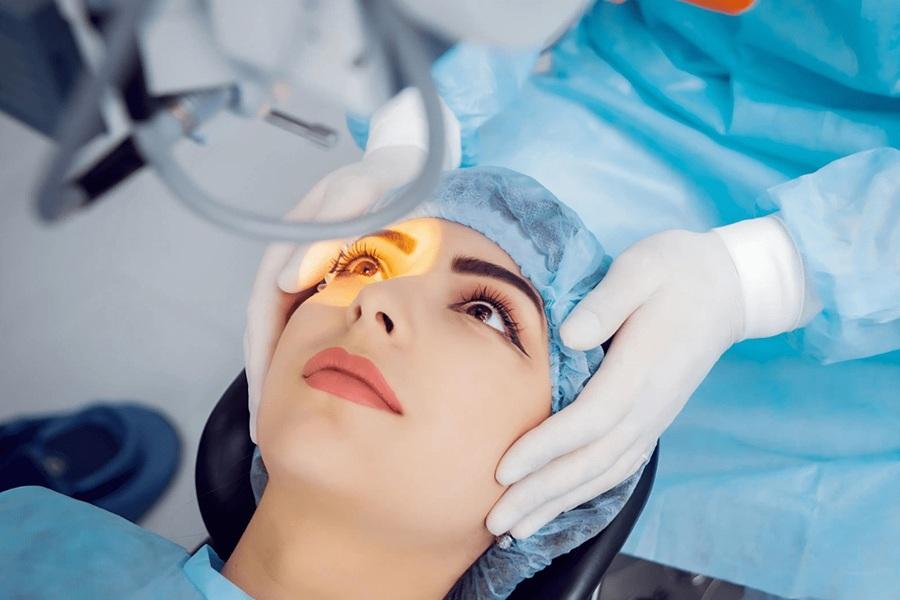
The landscape of eye care in West Bengal has undergone a dramatic transformation over the last decade. As the "City of Joy" continues to grow as a medical hub for Eastern India and neighboring countries, the demand for high-precision ophthalmic services has reached an all-time high. Whether you are dealing with age-related vision decline or seeking the freedom of life without glasses, choosing the right facility is the first step toward a successful outcome.
In 2026, Kolkata stands at the forefront of ocular innovation, blending global technology with a patient-centric approach that prioritizes long-term visual health over quick fixes.
What Makes a World-Class Eye Hospital?
When evaluating a facility for specialized treatment, clinical excellence is defined by more than just the number of successful surgeries. A high-quality eye hospital is characterized by:
-
Sub-specialization: Dedicated departments for retina, cornea, glaucoma, and pediatric ophthalmology.
-
Diagnostic Precision: The use of advanced imaging like Optical Coherence Tomography (OCT) and corneal topography to detect microscopic changes before they become symptomatic.
-
Hygiene Protocols: Modular operation theaters (OTs) that adhere to international infection-control standards.
Common Eye Conditions and Modern Solutions
In a bustling metropolis like Kolkata, certain eye conditions are more prevalent due to environmental factors and demographic shifts. Modern hospitals in the region now offer targeted solutions:
1. Advanced Cataract Surgery
Cataract remains the leading cause of treatable blindness. Today, hospitals utilize Femtosecond Laser-Assisted Cataract Surgery (FLACS) and Micro-Incision Cataract Surgery (MICS). These techniques allow for faster healing and the implantation of premium intraocular lenses (IOLs) that can correct distance, intermediate, and near vision simultaneously.
2. Specialized Retina Care
With the rise of lifestyle-related conditions, Diabetic Retinopathy and Age-related Macular Degeneration (AMD) require expert intervention. Leading centers now provide intravitreal injection therapies and sutureless vitrectomies to preserve vision in complex cases.
3. Glaucoma Management
Often called the "silent thief of sight," glaucoma requires lifelong management. The latest diagnostic tools in Kolkata help in early detection by monitoring intraocular pressure and optic nerve health with extreme accuracy.
Why Early Diagnosis Matters in Eye Care
Many vision-threatening conditions do not show symptoms until significant damage has occurred. Early diagnosis through a comprehensive eye exam can be the difference between preserving your sight and permanent loss. In 2026, the focus has shifted from "reactive surgery" to "preventive maintenance." Regular screenings are particularly vital for children (to catch issues like squint or amblyopia) and seniors.
Choosing the Right Eye Specialist in Kolkata
Selecting a hospital can feel overwhelming given the numerous options available. It is important to look for institutions that combine a legacy of trust with the latest surgical advancements. A reputable eye care provider will offer a transparent counseling process, explaining the risks and benefits of each procedure clearly.
For those seeking comprehensive care ranging from routine check-ups to complex refractive surgeries, exploring the specialized services at eye hospitals in Kolkata is a recommended starting point. These centers often serve as referral hubs for the entire Eastern region, ensuring that even the most complicated cases receive expert attention.
FAQs about Eye Care in Kolkata
1. Are international patients treated at Kolkata eye hospitals? Yes, many leading hospitals in Kolkata have dedicated international patient desks to assist with travel, visas, and language interpretation, particularly for patients from Bangladesh, Nepal, and Bhutan.
2. Is LASIK surgery safe for everyone? While LASIK is highly effective, it is not suitable for everyone. A detailed pre-operative screening is necessary to check corneal thickness and overall eye health to determine candidacy.
3. What is the recovery time for cataract surgery? With modern MICS (Micro-Incision) techniques, most patients can return to their light daily activities within 24 to 48 hours, though complete healing and final vision stabilization may take a few weeks.
4. Can children receive specialized surgery in Kolkata? Absolutely. Specialized pediatric ophthalmology units exist to handle delicate conditions like congenital cataracts, childhood glaucoma, and squint correction in a child-friendly environment.
Conclusion
The future of vision in Kolkata is brighter than ever. With the integration of AI-driven diagnostics and minimally invasive surgical platforms, patients no longer need to travel to other metropolitan cities or abroad for world-class treatment. By staying proactive with your eye health and choosing a facility that upholds the highest standards of EEAT (Experience, Expertise, Authoritativeness, and Trustworthiness), you are investing in a lifetime of clear sight.
Medical Disclaimer: The content provided in this article is for informational purposes only and is not intended as a substitute for professional medical advice, diagnosis, or treatment. Always seek the advice of your physician or other qualified health provider with any questions you may have regarding a medical condition.

 English
 Arabic
 French
 Spanish
 Portuguese
 Deutsch
 Turkish
 Italiano
 Russian
 Romaian
 Portuguese (Brazil)
 Greek
Greek