


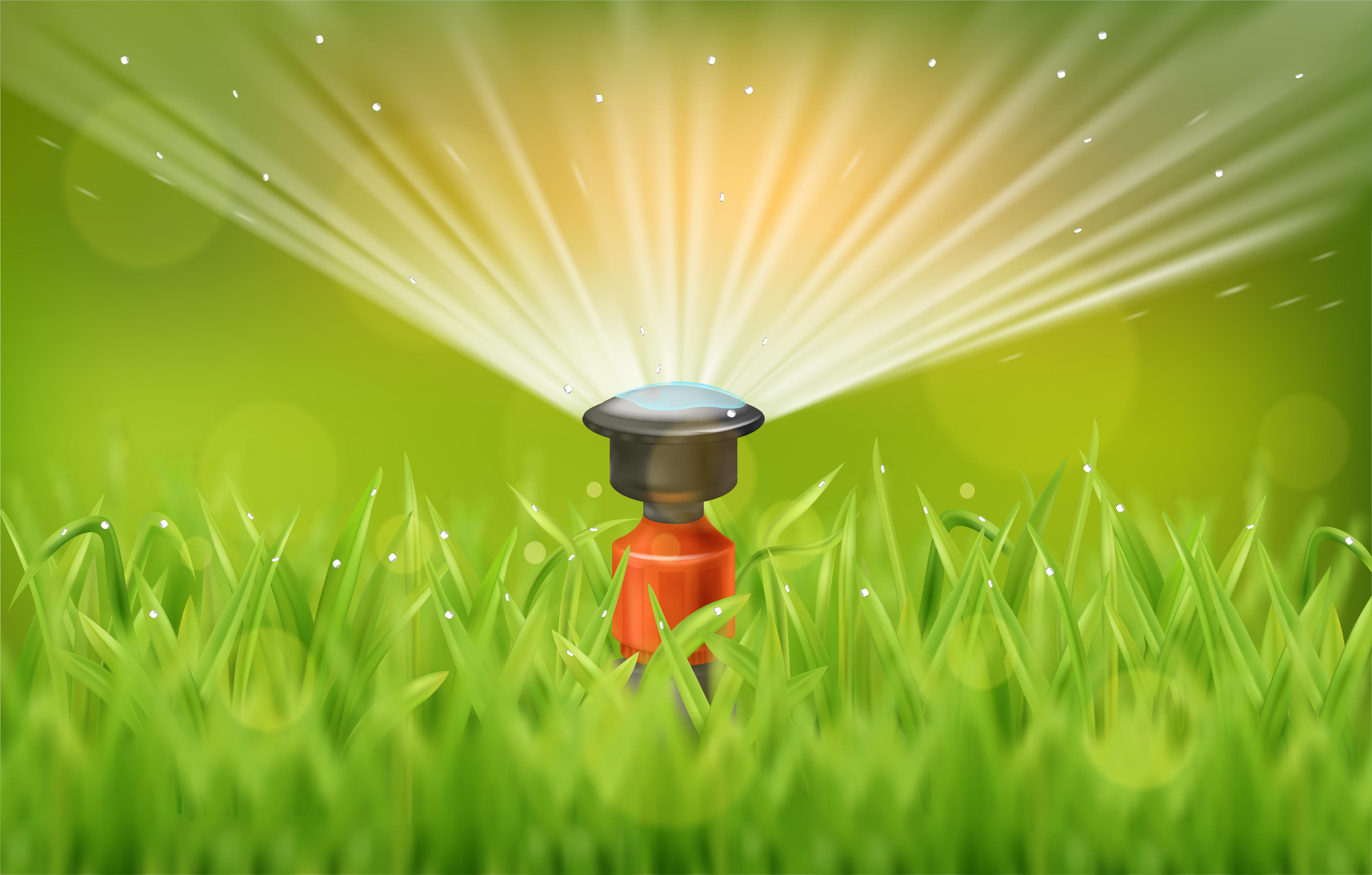
Achieving a vibrant, emerald lawn might seem like a straightforward task, but it’s actually a delicate balancing act of hydration and efficiency. Most homeowners find themselves battling unsightly brown spots, stunted growth, or skyrocketing utility bills. These frustrations usually stem from three main culprits: inconsistent coverage, lackluster water flow, or hardware that simply isn't up to the task.
This guide will tell you how integrating modern irrigation technology can transform your yard’s health, conserve precious resources, and shave hours off your weekend chores.
Why Efficient Lawn Watering Matters
Water isn't just a utility; it's a finite resource. In drier climates, outdoor maintenance can account for nearly a third of a home's total water consumption. When your timing is off or your equipment is misaligned, most of that liquid gold evaporates or runs off into the gutter.
True efficiency is about precision, delivering the exact amount of moisture to the root zone at the optimal pressure. This targeted approach doesn't just keep the grass green; it encourages roots to dive deeper, creating a lawn that is naturally more resilient to heat and drought.
Understanding the Basics of Lawn Irrigation
A good irrigation setup balances three things: coverage, timing, and pressure. If one element is weak, the entire system suffers.
Many homeowners install a lawn sprinkler to automate watering and reduce manual work. When set correctly, it distributes water evenly and prevents overwatering.
Common Problems in Basic Setups
Some common issues include:
-
Weak water flow that cannot reach all areas
-
Uneven spray patterns
-
Water pooling near the source
These problems are often linked to pressure issues or poor equipment choice.
How Spraying Systems Improve Coverage
Today’s irrigation tools are engineered for surgical precision. Unlike the old-school "oscillators" that drenched the sidewalk as much as the grass, modern adjustable heads allow you to dictate the exact angle and distance of the spray.
Landscaping pros emphasize matching your equipment to your yard’s unique geometry. A narrow side yard requires a vastly different spray pattern than a sprawling circular backyard. By upgrading to high-quality, targeted heads, research suggests you can slash water waste by roughly 20% simply by eliminating runoff.
The Role of Water Pressure in Lawn Health
Water pressure controls how far and how evenly water travels. Low pressure causes weak sprays, while high pressure can damage grass and soil.
This is where a water pressure booster becomes useful. It increases flow strength without changing the water source, making sure all areas receive proper hydration.
When Pressure Support Is Needed
You may need extra pressure support if:
-
Your lawn is large or uneven
-
Water flow drops when multiple taps run
-
Upper or distant zones stay dry
Professionals suggest checking pressure levels before upgrading other equipment.
Combining Tools for Better Results
The best results come from a unified system. Pairing precision sprinklers with a pressure booster creates a consistent environment for your grass to thrive. Instead of tearing out your entire plumbing layout, these targeted upgrades often solve long-term "dead zone" issues for a fraction of the cost and effort.
Expert Insights on Water Efficiency
Irrigation experts advise watering early in the morning. This reduces evaporation and helps water soak into the soil. They also recommend checking systems every season for leaks or blocked nozzles.
Research shows that lawns watered with controlled pressure and even spray patterns develop stronger root systems. Strong roots mean less frequent watering over time.
Maintenance Tips for Long-Term Performance
Regular maintenance keeps watering systems effective:
-
Clean spray heads every few weeks
-
Check hoses and joints for leaks
-
Monitor pressure changes during peak water use
If pressure drops suddenly, a water pressure booster can restore balance and protect your lawn from uneven watering.
Final Thoughts
A breathtaking lawn doesn't require a flood of water; it requires a strategy. By focusing on smart tools and stable pressure, you can enjoy a greener yard while actually lowering your monthly bills. It’s not about watering more, it’s about watering better.
FAQs
How often should a lawn be watered?
Most lawns need deep watering two to three times a week, depending on climate and soil type.
Can too much pressure harm grass?
Yes, very high pressure can compact soil and damage delicate grass blades.
Do adjustable spray heads make a difference?
They help control direction and distance, which reduces water waste and improves coverage.
Is pressure support equipment expensive?
Costs vary, but many homeowners recover the expense through lower water bills.
When is the best time to water a lawn?
Early morning is ideal because it reduces evaporation and helps water reach roots efficiently.

 English
 Arabic
 French
 Spanish
 Portuguese
 Deutsch
 Turkish
 Dutch
Dutch
 Italiano
 Romaian
 Portuguese (Brazil)
 Greek
Greek