


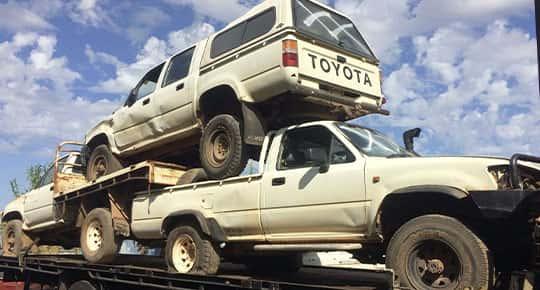
Many drivers believe that scrapping a car is simply about getting rid of an old or damaged vehicle. They often think the process ends when the car is collected, without realising the multiple steps involved and the ongoing value the vehicle can provide. Understanding how scrapping works reveals why even damaged or old cars can still make a significant impact on the automotive and recycling industry.
Misconception One: Scrapped Cars Have No Value
A common mistake drivers make is assuming that a car destined for the scrap yard is worthless. While it may no longer run or may have suffered major damage, many parts remain in good condition. Engines, transmissions, alternators, and even tyres can often be salvaged and reused in other vehicles.
Even body panels or doors can be repaired or used for replacements in similar models. This means that a car that appears useless still holds components that mechanics and workshops rely on.
Misconception Two: Scrapping Only Benefits the Owner
Drivers frequently think that scrapping a car only benefits them financially through the payment they receive. In reality, the process has broader advantages. Scrapped vehicles provide materials that are reused or recycled. Metals such as steel, aluminium, and copper are melted and repurposed. Plastics, rubber, and glass are also recycled wherever possible.
This process reduces the environmental burden of mining raw materials and limits the amount of waste that goes to landfill. A car that seems finished can therefore continue contributing to both the automotive and manufacturing systems.
Misconception Three: Scrapped Cars Are Destroyed Immediately
Another misunderstanding is that cars are destroyed as soon as they reach the scrap yard. While some vehicles may be dismantled for recycling, others are carefully stripped for usable parts. Components such as engines, gearboxes, brakes, and suspension pieces are tested and stored for resale. Electronics like control units, sensors, and wiring harnesses may also be salvaged.
This careful dismantling ensures that parts are available to repair or maintain other cars, especially older models that cannot easily source new components.
The Environmental Impact
Proper scrapping and recycling of vehicles prevent harmful chemicals from contaminating the environment. Fluids like oil, coolant, brake fluid, and fuel are drained and safely disposed of or recycled. Batteries and air-conditioning gases are also handled according to safety standards.
By following these practices, vehicle recycling reduces pollution and ensures that materials are repurposed in a safe and responsible manner.
How Scrapping Supports the Automotive Market
Scrapping is not just about recycling metals. It also supports mechanics and vehicle owners. Salvaged parts from scrapped vehicles allow workshops to repair older cars that still have road life left. Engines, transmissions, and other components extend the usability of vehicles that might otherwise be written off.
In rural or regional areas, access to new parts can be limited. The network of salvaged parts created by scrapping allows cars to remain operational for longer, supporting mobility and safety in communities across Australia.
Practical Example: North Coast Wreckers
A service such as North Coast Wreckers illustrates the benefits of scrapping done the right way. When cars are collected, engines, gearboxes, panels, and other components are carefully assessed and removed. These parts enter the network known as North Coast Car Wreckers, supplying workshops and vehicle owners with essential components.
This system shows that a car does not have to be running to have value. Owners receive cash, workshops access parts that might be impossible to find elsewhere, and materials are recycled responsibly. It is a practical example of how a simple car collection process contributes to a much larger ecosystem.
Conclusion
Scrapping a car is not just an act of disposal. It is a structured process that provides reusable parts, recyclable materials, and environmental protection. Many drivers misunderstand the true worth of their vehicles, assuming they have no value once damaged or old.
By recognising the potential in scrapped vehicles and understanding how services like North Coast Wreckers operate through North Coast Car Wreckers, drivers can see that scrapping contributes to both financial returns and the wider automotive system. Even cars that seem finished can continue to serve the industry and the environment.

 English
 Arabic
 French
 Spanish
 Portuguese
 Deutsch
 Turkish
 Italiano
 Russian
 Romaian
 Portuguese (Brazil)
 Greek
Greek