


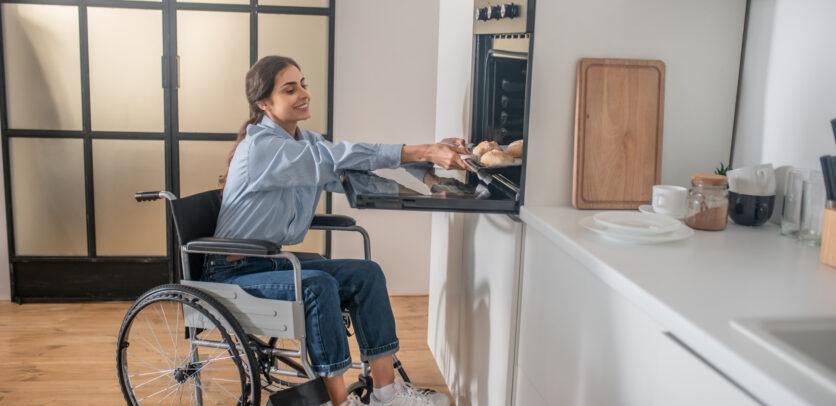
Supported Independent Living (SIL) is one of the most important support options available under the National Disability Insurance Scheme (NDIS). It is designed to help people with disabilities live as independently as possible while still receiving the daily assistance they need.
For many individuals and families, understanding what SIL actually includes—and whether it’s the right option—can feel confusing. This guide breaks down what Supported Independent Living is, how it works, and who can benefit the most from SIL support.
What Is Supported Independent Living (SIL)?
Supported Independent Living refers to NDIS-funded support that helps participants live in a shared or individual home while receiving assistance with everyday activities. SIL focuses on support, not accommodation. The funding covers help with daily living tasks rather than rent or housing costs.
SIL is typically provided in:
-
Shared homes with other NDIS participants
-
Individual living arrangements with support staff
-
Purpose-built disability accommodation
The goal of SIL is to build independence while ensuring safety, structure, and ongoing support.
What Support Does SIL Include?
SIL support is tailored to the individual needs of each participant. The level of assistance can vary depending on the person’s disability, goals, and daily challenges.
Common SIL supports include:
-
Help with personal care such as showering and dressing
-
Meal planning and cooking
-
Medication management
-
Cleaning and household tasks
-
Support with daily routines
-
Assistance with community participation
-
Developing life and social skills
-
Overnight or 24/7 support when required
Supports are usually shared among residents, making SIL a cost-effective option for those who need regular assistance.
How SIL Is Different From Other NDIS Supports
Many people confuse SIL with other NDIS-funded supports. Understanding the difference helps in choosing the right service.
SIL is different from:
-
Short-Term Accommodation (STA): Temporary stays, often for respite
-
Specialist Disability Accommodation (SDA): Funding for the physical building
-
In-Home Support: One-on-one assistance in a private home
-
Independent Living Without Support: No funded daily assistance
SIL is specifically for participants who require ongoing daily support in their living environment.
Who Is Eligible for Supported Independent Living?
SIL is generally suited for individuals with higher or more complex support needs. Eligibility is assessed by the NDIS based on functional capacity rather than diagnosis alone.
People who may be eligible for SIL include:
-
Individuals who need daily assistance with personal care
-
Participants who require overnight or continuous support
-
People with intellectual, psychosocial, or physical disabilities
-
Those transitioning from family homes or institutional care
-
Participants who benefit from structured routines and supervision
The NDIS assesses whether SIL is a reasonable and necessary support based on individual circumstances.
Who Can Benefit the Most From SIL?
1. People Seeking Greater Independence
SIL supports participants in learning how to manage everyday tasks while maintaining control over their own lives. With the right support, individuals can make decisions, set routines, and gain confidence in their abilities.
Independence doesn’t mean doing everything alone—it means having the right support to live life on your own terms.
2. Individuals Who Thrive in Shared Living Environments
Many SIL homes offer shared living arrangements, which can be highly beneficial for people who enjoy social interaction. Living with others encourages communication, teamwork, and relationship-building.
Shared environments also provide emotional support and reduce feelings of isolation.
3. Families Seeking Long-Term Support Solutions
For families and carers, SIL offers peace of mind. Knowing that a loved one is supported by trained professionals allows families to step back while remaining involved in meaningful ways.
SIL can be especially helpful for ageing parents planning for their child’s long-term future.
4. Participants With Complex or High Support Needs
Individuals who require regular supervision, behavioural support, or personal care benefit greatly from SIL. Structured routines and professional staff help ensure safety, consistency, and well-being.
Support teams are trained to manage a wide range of needs while respecting participant dignity and choice.
How SIL Supports Skill Development
One of the most valuable aspects of Supported Independent Living is its focus on skill-building. SIL isn’t just about care—it’s about growth.
Participants can develop:
-
Cooking and meal preparation skills
-
Personal hygiene routines
-
Money and budgeting awareness
-
Communication and social skills
-
Time management
-
Confidence in decision-making
Over time, many participants become more self-reliant and comfortable managing daily life.
Choosing the Right SIL Provider
Selecting the right provider is crucial to a positive SIL experience. A quality provider focuses on person-centred support rather than a one-size-fits-all approach.
When choosing an NDIS Service Provider Adelaide, it’s important to look for:
-
Individualised support plans
-
Qualified and compassionate staff
-
Clear communication with families
-
Experience with similar support needs
-
Strong focus on participant goals and choice
A supportive provider can make a significant difference in quality of life and long-term outcomes.
SIL in Adelaide: What to Expect
Adelaide offers a growing range of SIL options designed to meet diverse participant needs. Homes are often located close to community facilities, healthcare services, and public transport.
Access to supported independent living adelaide services allows participants to stay connected to their local community while receiving consistent and reliable support.
Providers in the region focus on inclusion, dignity, and helping participants live fulfilling lives within their neighbourhoods.
How SIL Funding Works Under the NDIS
SIL funding is included in a participant’s NDIS plan under “Core Supports.” The funding amount depends on:
-
Level of daily support required
-
Number of support hours
-
Shared or individual support arrangements
-
Complexity of needs
Funding does not cover rent, groceries, or personal expenses—only the support services provided.
Common Myths About Supported Independent Living
Myth 1: SIL takes away independence
In reality, SIL promotes independence by providing structured support where needed.
Myth 2: SIL is only for group homes
SIL can be delivered in various living arrangements, including individual settings.
Myth 3: SIL means no choice or control
Participants remain at the centre of decision-making, with support tailored to their preferences.
Final Thoughts
Supported Independent Living plays a vital role in helping people with disabilities live safer, more independent, and more fulfilling lives. By offering daily support tailored to individual needs, SIL creates opportunities for growth, confidence, and long-term stability.
For participants and families considering SIL, understanding how it works and who it benefits is the first step toward making informed, empowering choices that support independence and well-being for years to come.

 English
 Arabic
 French
 Spanish
 Portuguese
 Deutsch
 Turkish
 Italiano
 Russian
 Romaian
 Portuguese (Brazil)
 Greek
Greek