


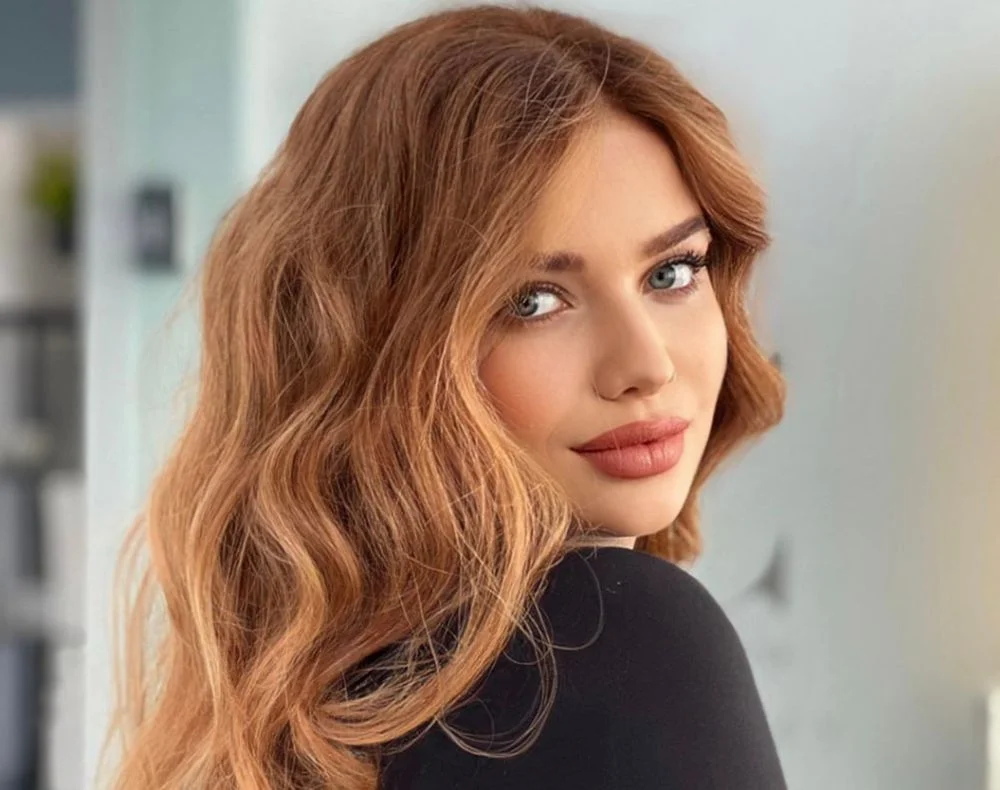
Hair highlights treatments are among the most popular and versatile hair colouring services available today. Whether you want to add subtle brightness, enhance your natural hair colour, or achieve a bold new look, highlights offer a customizable solution for every style and hair type. Understanding how hair highlights work, the different techniques involved, and how to maintain them can help you make informed decisions and achieve long-lasting, beautiful results.
What Are Hair Highlights?
Hair highlights involve lightening specific sections of hair to create contrast and dimension. Unlike full hair colouring, highlights do not alter the entire head of hair. Instead, they strategically enhance selected strands, allowing your natural base colour to remain visible. This creates a multi-dimensional effect that looks natural and vibrant.
Highlights can be soft and subtle or bold and dramatic, depending on the technique, shade, and placement used.
Benefits of Hair Highlights Treatments
Hair highlights offer numerous advantages, making them a preferred choice for many individuals.
-
Add depth and dimension to hair
-
Brighten the complexion and enhance facial features
-
Create the illusion of fuller, thicker hair
-
Require less maintenance than full colour
-
Offer versatile styling options
Professionally applied highlights can refresh your look without a drastic change.
Types of Hair Highlights Treatments
There are several highlighting techniques, each designed to achieve a specific effect.
Foil Highlights
Foil highlights are a classic method where sections of hair are wrapped in foil with lightener. This technique offers precise placement and consistent brightness. It is ideal for those seeking noticeable contrast and uniform results.
Balayage
Balayage is a freehand painting technique that creates soft, blended highlights. The colour transitions naturally from roots to ends, offering a sun-kissed, low-maintenance look.
Babylights
Babylights involve ultra-fine highlights that mimic the natural brightness seen in children’s hair. This technique adds softness and subtle dimension.
Foilayage
Foilayage combines the brightness of foils with the blending of balayage. It is perfect for achieving luminous yet natural-looking results.
Face-Framing Highlights
These highlights focus on the front sections of hair to brighten the face and accentuate features.
Choosing the Right Highlights for Your Hair Type
Different hair types require different approaches to highlighting.
-
Fine hair benefits from soft, subtle highlights that add volume.
-
Thick hair requires careful sectioning to ensure even colour distribution.
-
Curly or wavy hair needs strategic placement to enhance texture.
-
Straight hair highlights must be blended precisely to avoid harsh lines.
A professional stylist evaluates your hair type, condition, and goals before recommending a treatment.
The Hair Highlights Treatment Process
Understanding the process can help you feel more confident about your treatment.
Consultation
The process begins with a consultation where the stylist discusses your desired look, assesses your hair condition, and selects the appropriate technique and shade.
Preparation
Hair is sectioned based on the chosen technique. Protective treatments may be applied to minimize damage.
Application
Lightener or colour is applied to selected strands using the chosen method.
Processing
The colour is allowed to process for a specific time, depending on hair type and desired lift.
Toning
Toner is applied to refine the shade, eliminate brassiness, and achieve the desired tone.
Conditioning
A deep conditioning or bonding treatment restores moisture and strength.
Hair Health and Safety
Professional hair highlights treatments prioritize hair health. Stylists use high-quality products and monitor processing times closely to prevent over-lightening. Bond-building treatments help maintain hair integrity, while conditioners restore softness and shine.
Attempting highlights at home can lead to uneven colour and damage, making professional care essential.
Maintenance and Aftercare
Proper maintenance ensures your highlights stay vibrant and healthy.
Recommended Aftercare:
-
Use sulfate-free, colour-safe shampoos
-
Apply deep conditioning masks weekly
-
Schedule toning sessions as needed
-
Limit heat styling and use heat protectants
Following professional aftercare advice extends the life of your highlights.
How Long Do Hair Highlights Last?
Hair highlights typically last several weeks to months, depending on the technique and hair growth rate. Balayage and blended techniques grow out more naturally, requiring fewer touch-ups, while foil highlights may need more frequent maintenance.
Common Myths About Hair Highlights
Highlights Damage Hair
When done professionally, highlights are safe and can be maintained with proper care.
Highlights Only Suit Certain Hair Types
Modern techniques allow highlights to be customized for all hair types and textures.
Highlights Require Constant Maintenance
Many modern techniques are designed to be low-maintenance.
Who Should Consider Hair Highlights Treatments?
Hair highlights treatments are ideal for anyone looking to:
-
Refresh their hairstyle
-
Add dimension and brightness
-
Enhance natural hair colour
-
Try colour without full commitment
They are suitable for all ages and styles.
Final Thoughts
Everything you need to know about hair highlights treatments comes down to understanding options, choosing professional expertise, and maintaining hair health. With a variety of techniques available, highlights can be tailored to suit every hair type, texture, and personal style. When done professionally and cared for properly, hair highlights offer a beautiful, long-lasting way to enhance your appearance with confidence and elegance.
You May Also Like
Hair Straightening Guide: Benefits, Process, Cost & Aftercare Tips
Hair Smoothening Guide: Benefits, Process, Cost & Aftercare Tips
The Difference Between Keratin And Rebonding
Hair Keratin Treatment Vs Rebonding [Benefits, Side Effects]

 English
 French
 Spanish
 Portuguese
 Deutsch
 Turkish
 Dutch
Dutch
 Italiano
 Russian
 Romaian
 Portuguese (Brazil)
 Greek
Greek