


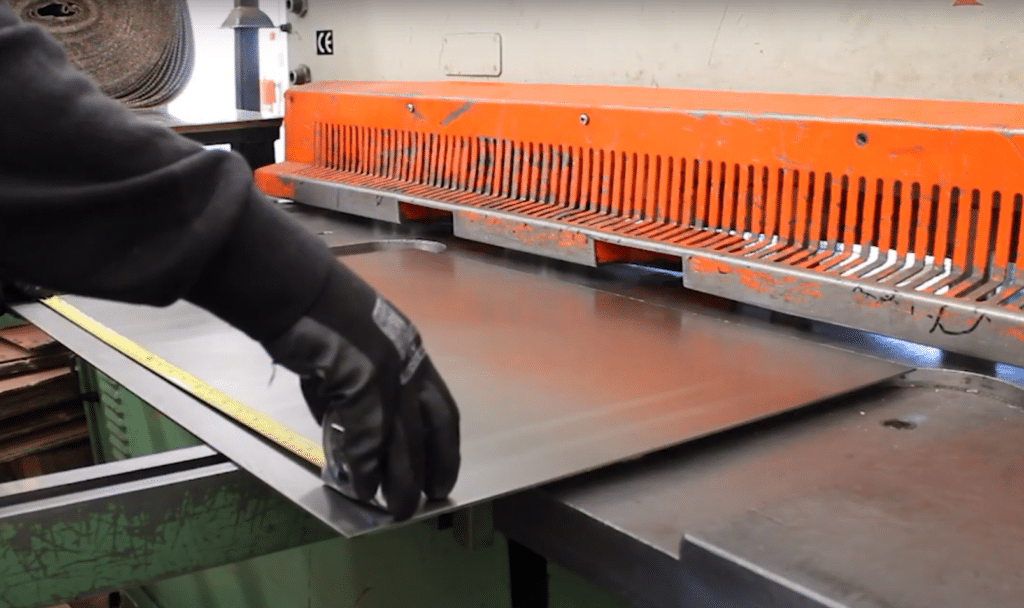
A guillotine machine is a powerful tool used in workshops and industries for cutting metal, paper, cardboard, and other materials with precision. However, improper handling or lack of maintenance can lead to accidents and costly downtime. Whether you own a guillotine machine or are considering guillotine machine hire, following a safety checklist is essential for protecting operators and ensuring smooth operations.
1. Conduct a Pre-Operation Inspection
Before using the guillotine machine, inspect it thoroughly:
-
Check for loose bolts, worn parts, or damage.
-
Ensure the blade is sharp, properly aligned, and securely mounted.
-
Inspect guards and safety shields to make sure they are intact.
-
Confirm that emergency stops and control buttons are functioning correctly.
Tip for Hire Machines: If using guillotine machine hire, always perform this inspection before starting work, even if the equipment appears in good condition.
2. Wear Proper Personal Protective Equipment (PPE)
Safety starts with the operator. Essential PPE includes:
-
Safety gloves to protect hands from sharp edges.
-
Safety goggles or face shields to guard against flying debris.
-
Steel-toed boots to protect feet from heavy materials.
-
Hearing protection if working in a loud industrial environment.
3. Maintain Safe Operating Procedures
-
Keep hands and fingers away from the blade and cutting area.
-
Never bypass safety guards or operate the machine with protective covers removed.
-
Feed materials properly and avoid overloading the machine beyond its capacity.
-
Always stand to the side of the blade path, not directly in line with it.
Pro Tip: Even if using guillotine machine hire, ensure operators are trained and familiar with the specific model.
4. Keep the Work Area Clean and Organized
A cluttered workspace can lead to slips, trips, and accidents.
-
Remove scrap materials and debris regularly.
-
Ensure adequate lighting around the machine.
-
Keep floors dry and free of oil or grease.
5. Regular Maintenance and Checks
A well-maintained guillotine machine is a safer machine. Key maintenance practices include:
-
Lubricating moving parts as per the manufacturer’s instructions.
-
Inspecting and replacing worn or damaged blades.
-
Checking hydraulic systems and electrical components for leaks or wear.
-
Scheduling professional servicing periodically.
Hire Tip: When opting for guillotine machine hire, ask the provider about maintenance history and servicing schedules to reduce the risk of downtime or accidents.
6. Emergency Preparedness
Operators should always be prepared for emergencies:
-
Know the location of emergency stop buttons.
-
Keep a first aid kit nearby.
-
Ensure all operators are trained in basic first aid and emergency procedures.
7. Operator Training
Proper training is crucial for safety:
-
Ensure all operators know how to handle the guillotine machine safely.
-
Conduct regular refresher training sessions.
-
Provide guidance on handling unexpected malfunctions or hazards.
Conclusion
A guillotine machine is a high-precision tool, and safety should never be compromised. By following this safety checklist, you can reduce the risk of accidents, protect operators, and minimize downtime. Whether purchasing a machine or opting for guillotine machine hire, regular inspections, proper PPE, safe operation, and maintenance are the keys to long-term productivity and safety.

 English
 Arabic
 Spanish
 Portuguese
 Deutsch
 Turkish
 Dutch
Dutch
 Italiano
 Russian
 Romaian
 Portuguese (Brazil)
 Greek
Greek