


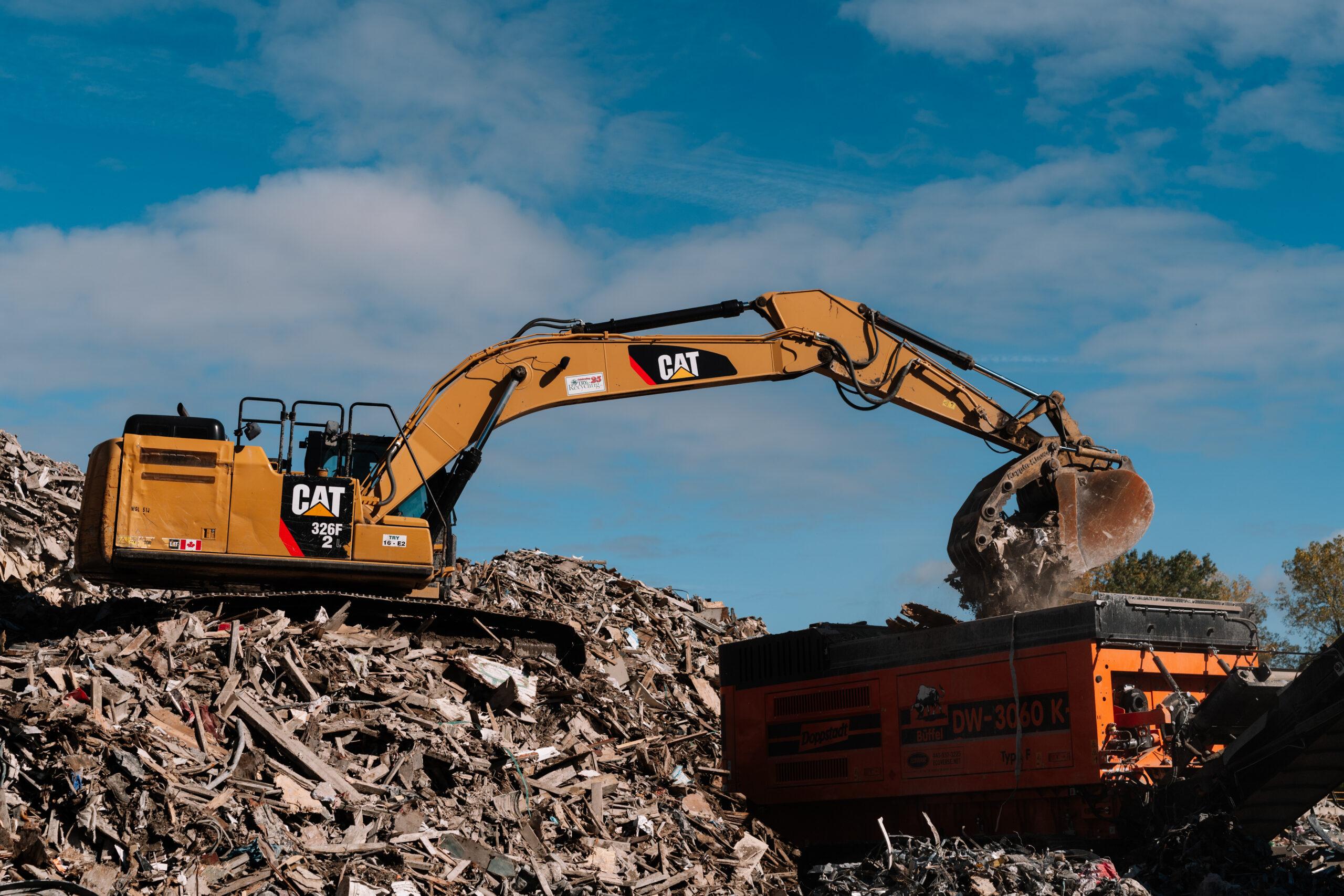
Deconstruction and demolition waste disposal are critical components of sustainable construction practices. When buildings are taken down or renovated, they produce large volumes of waste that can harm the environment if not managed properly. Effective waste disposal in these processes involves careful sorting, recycling, and reusing materials to minimize landfill impact and reduce carbon emissions.Proper handling and planning can transform waste disposal from a costly burden into a resource recovery opportunity. Deconstruction, as opposed to traditional demolition, focuses on dismantling structures in a way that preserves materials for reuse. This approach significantly reduces environmental damage and aligns with regulations aimed at sustainable building management.By adopting best practices for managing demolition and deconstruction waste, project managers can improve efficiency and meet growing environmental standards. Understanding how to separate, recycle, and dispose of materials correctly provides a practical way to reduce pollution and support a circular economy in construction.
Deconstruction Waste Disposal Strategies
Effective deconstruction waste disposal requires methodical handling of materials, targeted salvage efforts, and properly designed recycling systems. These strategies maximize material recovery while minimizing landfill contributions and environmental impact.
Sorting and Segregation of Materials
Sorting begins onsite during deconstruction, where materials are separated according to type and condition. Common categories include wood, concrete, metals, glass, and non-recyclable debris. Proper segregation prevents contamination, which can reduce recycling efficiency.Dedicated bins or designated areas help maintain separation. Workers are often trained to identify salvageable materials to avoid mixing with general waste. Sorting also includes removing hazardous items like asbestos early to ensure safety and compliance.Documentation of quantities and types improves planning for reuse or recycling. This process supports waste diversion goals by making downstream processing more efficient and cost-effective.
Reuse and Salvage Opportunities
Deconstruction emphasizes careful dismantling to recover materials for direct reuse or resale. Salvageable items include doors, windows, fixtures, cabinetry, and structural timber that retain their integrity.Materials in good condition can be donated or repurposed in new projects, reducing the need for virgin resources. Salvage decisions consider material condition, market demand, and deconstruction costs.Reuse not only decreases waste but also lowers carbon emissions associated with manufacturing new materials. It requires storage logistics and coordination with resale or donation outlets to ensure materials are efficiently redistributed.
Recycling Procedures for Concrete, Metal, and Wood
Concrete is typically crushed onsite or at recycling facilities, then used as aggregate for new construction or road base material. This reduces demand for raw aggregates and diverts bulky waste from landfills.Metals like steel and aluminum are extracted and sent to specialized recycling centers where they are melted and reformed. Metal recycling has high economic value, incentivizing recovery during deconstruction.Wood may be sorted by condition. Clean wood can be chipped for mulch or bioenergy, while treated wood is handled separately to avoid environmental harm. Recycling wood helps conserve forests and reduces disposal costs.These processes require collaboration with waste management firms experienced in handling construction debris efficiently and safely.
Demolition Waste Disposal Regulations and Best Practices
Proper disposal of demolition waste requires adherence to specific guidelines that ensure safety, environmental protection, and regulatory compliance. Managing hazardous materials, following legal frameworks, and adopting sustainable disposal technologies are critical factors in effective waste handling.
Compliance With Local and National Laws
Demolition waste disposal is strictly regulated at both local and national levels. Projects must comply with established environmental laws, zoning codes, and waste management regulations. Failure to meet these requirements can lead to legal penalties, fines, and project delays.A key aspect is obtaining necessary permits before demolition begins. These permits often require detailed plans for waste handling, sorting, recycling, and disposal. Monitoring and documentation of waste quantities and types are typically mandatory to maintain transparency and accountability.Regulations also dictate where demolition debris can be transported and disposed of, often requiring use of certified facilities. Staying informed about updates in waste management rules prevents violations and supports public health and environmental goals.
Hazardous Waste Identification and Handling
Among demolition waste, hazardous materials demand special attention due to their potential environmental and health risks. Common hazardous substances include asbestos, lead-based paint, treated wood, and certain chemicals.Identification begins with a thorough site assessment before demolition. Professionals use specialized testing to detect hazardous components, which must be separated from general waste.Handling hazardous waste involves containment, labeling, and transportation following strict safety protocols. Only licensed disposal facilities can process hazardous materials to avoid soil, air, or water contamination. Protecting workers and nearby communities requires adherence to safety regulations such as using personal protective equipment and limiting exposure duration.
Sustainable Disposal Technologies
Sustainable technologies enhance demolition waste management by reducing landfill use and conserving resources. Recycling and material recovery are central practices, including crushing concrete for reuse in road bases or salvaging metals and wood for repurposing.Techniques like deconstruction—careful dismantling of structures to maximize usable material recovery—minimize waste generation. Advanced sorting systems improve material separation efficiency, enabling higher recycling rates.Innovative methods such as bio-processing organic waste or converting waste to energy also contribute to sustainability. These technologies align with environmental goals by lowering carbon footprints and supporting circular economy principles in construction industries.

 Arabic
 French
 Spanish
 Portuguese
 Deutsch
 Turkish
 Dutch
Dutch
 Italiano
 Russian
 Romaian
 Portuguese (Brazil)
 Greek
Greek