


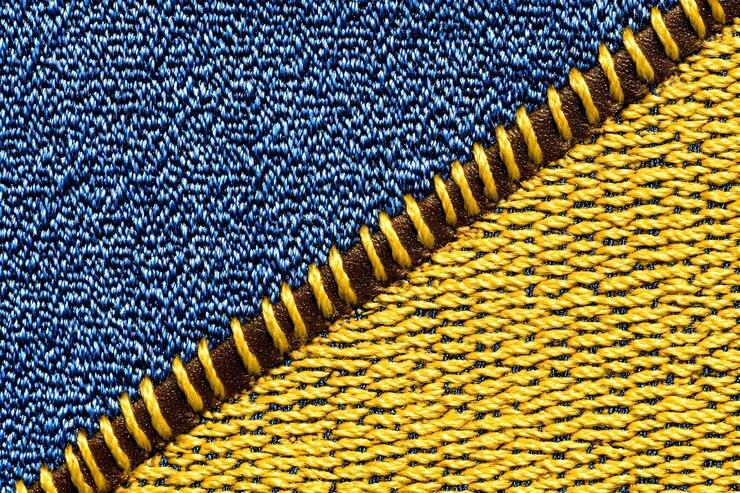
In the world of embroidery, artistry has always played a vital role in defining creativity and craftsmanship. However, with technological progress, the process has evolved dramatically. Today, jacket back digitizing stands as one of the most advanced techniques in the embroidery industry. It allows designers to bring detailed, vibrant, and large-scale graphics to life on the backs of jackets, making them perfect for branding, sports teams, and fashion statements. This transformation marks a shift from traditional hand-stitching methods to computer-guided precision that ensures flawless, repeatable results.
The Origins of Embroidery Digitizing
Before the digital era, embroidery was a completely manual process. Skilled artisans used patterns and tracing techniques to sew each design by hand. This method, though artistic, had limitations in accuracy and scalability. As technology developed, the introduction of embroidery machines changed everything. Digitizing made it possible to translate artwork into stitch commands that embroidery machines could read. This innovation not only saved time but also improved precision and consistency. For jacket backs—where designs are typically larger—digitizing became essential to manage complex details without losing quality.
The Rise of Computerized Embroidery
The 1980s and 1990s saw a significant boom in computerized embroidery. Software developers created tools that could convert images into stitch data, allowing for intricate designs to be created with ease. The fashion and promotional industries quickly adopted this technology, leading to the widespread demand for custom embroidery on jackets, uniforms, and team apparel. Jacket back digitizing became a niche skill within the industry because it required special attention to scaling, density, and stitch flow. The ability to replicate large, visually striking designs consistently made digitized embroidery a favorite among both businesses and designers.
Why Jacket Back Digitizing Became a Game Changer
Jacket backs provide a large canvas for artwork—company logos, mascots, or intricate graphics. Traditional embroidery struggled to maintain design clarity at such scale, often resulting in distortions or thread breaks. Digitizing resolved these issues by providing mathematical precision. Designers could now control every aspect of the embroidery process—stitch length, direction, underlay, and thread color transitions. The result was smoother finishes and accurate detailing, even on thick fabrics like leather or denim. This precision not only enhanced the visual appeal but also prolonged the durability of the embroidery work.
The Role of Advanced Software in Modern Digitizing
Modern digitizing software offers powerful tools that simplify complex design elements. These programs allow digitizers to create simulations, adjust density settings, and preview stitch paths before production begins. Features like automatic underlay creation, gradient fills, and 3D puff effects have expanded the creative possibilities. For jacket back designs, these features are crucial because they help maintain balance between aesthetic appeal and stitch efficiency. Moreover, the ability to visualize the outcome before production minimizes errors and reduces material wastage.
Techniques That Define High-Quality Jacket Back Digitizing
To achieve a premium result, digitizers rely on several techniques. They begin by analyzing the artwork to determine stitch types—satin stitches for outlines, fill stitches for large areas, and running stitches for fine details. Adjusting stitch density is vital to prevent puckering on heavy fabrics. Sequencing is equally important to ensure smooth machine operation and avoid unnecessary thread trims. Furthermore, color blending techniques have become popular in jacket back digitizing to create shading effects, giving designs a three-dimensional look. Professional digitizers also test the design on sample materials to ensure perfect alignment before final production.
The Impact of Jacket Back Digitizing on Branding
In today’s competitive market, visual identity plays a crucial role in brand recognition. Companies use custom embroidered jackets to promote their logos, events, and team spirit. Digitized embroidery ensures that each logo remains sharp, vibrant, and consistent across multiple pieces. Sports teams, in particular, benefit from jacket back digitizing as it allows for bold representations of team emblems. Whether for corporate branding or fashion customization, this technology bridges creativity and professionalism, allowing every stitch to reflect quality and attention to detail.
Sustainability and Efficiency in Modern Embroidery
The latest advancements in embroidery digitizing also contribute to sustainability. Modern software reduces production errors and thread wastage, making the process more eco-friendly. Digitized designs can be stored, modified, and reused for future projects without starting from scratch. This digital efficiency has made embroidery production faster, cost-effective, and more accessible to small businesses. Jacket back digitizing not only enhances design precision but also helps in maintaining an environmentally conscious approach to production.
The Future of Jacket Back Digitizing
The future of embroidery digitizing is moving toward automation and artificial intelligence. AI-assisted tools can now analyze artwork and automatically suggest stitch patterns, reducing manual input time. Cloud-based platforms also allow designers to collaborate remotely, sharing digitized files instantly with production units worldwide. As 3D embroidery and mixed-media designs gain popularity, jacket back digitizing will continue evolving to meet creative demands. These innovations ensure that embroidery remains an art form enhanced—not replaced—by technology.
Conclusion: Redefining Creativity Through Technology
The evolution of jacket back digitizing showcases how far embroidery has come—from manual artistry to digital precision. It has empowered designers, boosted brand identity, and elevated fashion customization to new heights. Today, businesses and creators can achieve unmatched detailing and consistency, transforming simple fabric into wearable art. For those seeking top-quality results, professional digitizing services in usa ensure that every design—no matter how intricate—turns out perfectly stitched and visually stunning.

 Arabic
 French
 Spanish
 Portuguese
 Deutsch
 Turkish
 Dutch
Dutch
 Italiano
 Russian
 Romaian
 Portuguese (Brazil)
 Greek
Greek