


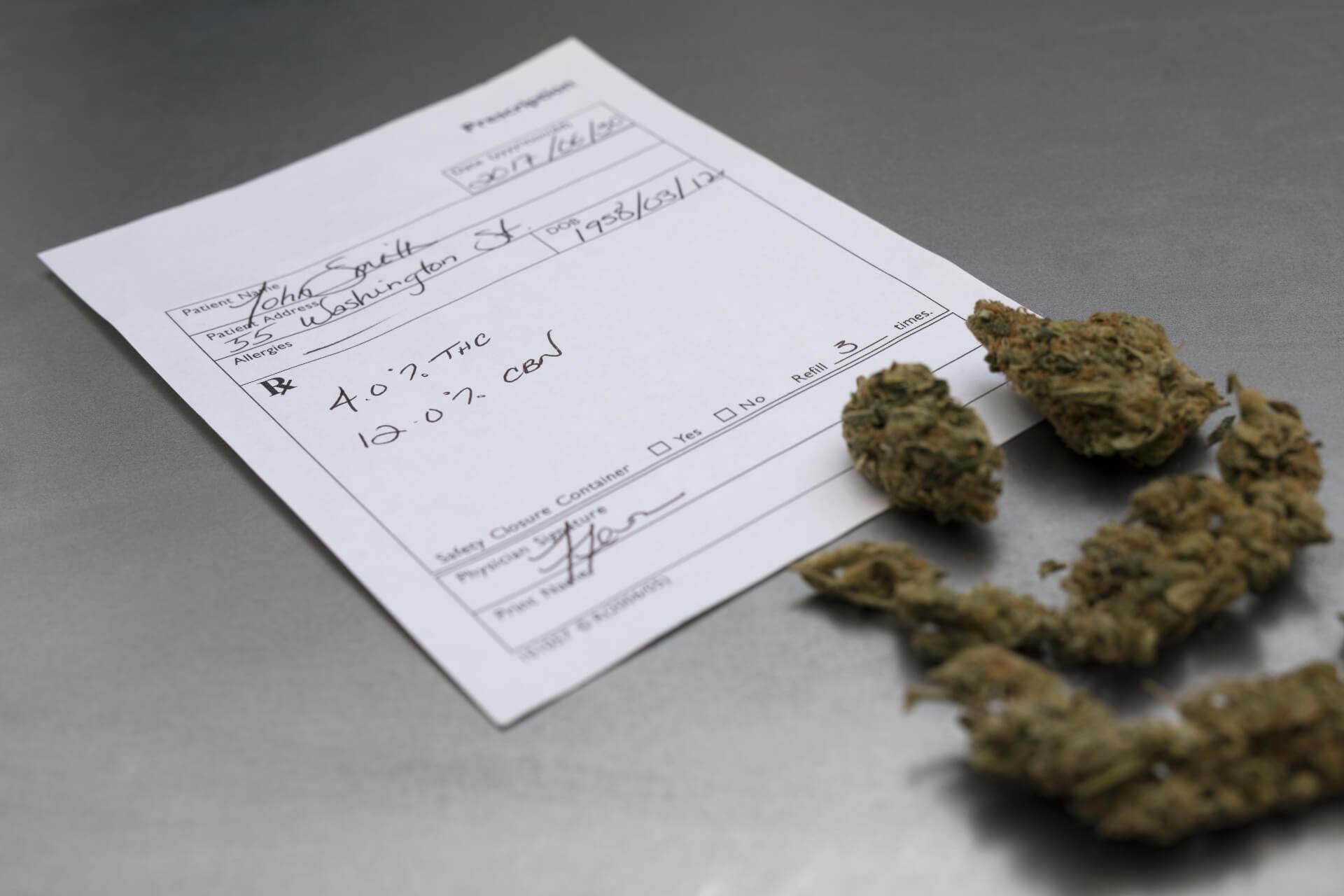
Over the last few years, Virginia has made significant strides in cannabis reform, transforming its legal landscape in favor of both medical patients and general consumers. However, unlike recreational use, qualifying for medical cannabis use in the Commonwealth requires a specific process, involving physician approval and adherence to state regulations. Whether you're seeking relief from chronic pain, anxiety, or another qualifying condition, understanding how to navigate the system is essential.
In this article, we’ll break down everything you need to know about qualifying for medical cannabis in Virginia—who is eligible, what conditions apply, how to consult with a certified practitioner, and how to obtain your registration. If you're looking to apply for a medical marijuanas card va, you'll find step-by-step guidance here to make the process smooth and stress-free.
Key Points
-
Medical cannabis is legal in Virginia with a valid written certification from a registered practitioner.
-
There is no official list of qualifying conditions—doctors have discretion to recommend medical cannabis for various conditions.
-
Patients must register with the Virginia Board of Pharmacy to legally purchase cannabis products.
-
Obtaining products is permissible only through licensed dispensaries within the state.
-
Possession limits and product types are regulated by Virginia law.
Understanding Virginia’s Medical Cannabis Law
Virginia legalized medical cannabis through a series of legislative steps, starting with limited access to CBD and THC-A oil in 2015. In 2020, the General Assembly passed legislation allowing broader access for patients with any diagnosed condition that a practitioner believes can benefit from cannabis treatment.
Virginia does not maintain a fixed list of qualifying conditions. This means a wide range of symptoms and diagnoses may be considered valid, provided that a licensed practitioner agrees cannabis is an appropriate solution.
Major Legislative Milestones
-
2015: Legalization of CBD and THC-A oils for epilepsy.
-
2018: Expansion to include more medical conditions.
-
2020: Medical cannabis dispensaries launched, and doctors received increased authority to recommend cannabis.
-
2021: Limited recreational possession and home cultivation permitted.
Eligibility for Medical Cannabis in Virginia
Who Can Qualify?
To legally use medical cannabis in Virginia, you must meet the following eligibility criteria:
-
Be a Virginia resident with proof of residency (e.g., state-issued ID).
-
Have a qualifying medical condition as determined by a registered practitioner.
-
Receive a written certification from a certified practitioner registered with the Board of Pharmacy.
-
Register with the Virginia Board of Pharmacy (optional as of July 1, 2022, but still recommended for legal protection).
Qualifying Conditions
Unlike many other states, Virginia does not have an official list of qualifying conditions. Instead, it leaves the decision to the medical judgment of the certifying practitioner. However, common conditions that may qualify include:
-
Chronic pain
-
Anxiety and depression
-
PTSD
-
Multiple sclerosis
-
Cancer-related symptoms
-
Epilepsy and seizure disorders
-
Glaucoma
-
Nausea or appetite loss due to chronic illness or treatment
It's important to have a thorough and honest consultation with your healthcare provider to discuss how cannabis might help manage your condition.
Steps to Receive Medical Cannabis in Virginia
Step 1: Consult with a Registered Practitioner
You must first schedule an appointment with a healthcare provider registered with the Virginia Board of Pharmacy. These practitioners can be doctors of medicine, osteopathy, or physician assistants and nurse practitioners certified to recommend cannabis.
During your appointment, your doctor will review your medical history and determine if cannabis is appropriate for your condition. If approved, you’ll receive a written certification.
Step 2: Receive Your Certification
The practitioner will provide you with a signed document—your medical cannabis certification. This is the cornerstone of your legal access to cannabis in Virginia. As of 2022, patients are no longer required to register with the Board of Pharmacy, but having the certification is still mandatory.
Step 3: Get a Medical Marijuana Card (Optional)
Although the state no longer mandates a registration card, many patients still opt to obtain one for added legal protections and convenience. If you wish to apply, visit the Virginia Board of Pharmacy website and follow the online application process.
This is where many people turn to helpful online services that streamline access to a medical marijuanas card va, ensuring they meet all state requirements efficiently.
Step 4: Visit a Licensed Dispensary
Once you have your certification (and optional registration card), you can legally purchase medical cannabis from any of the licensed dispensaries across Virginia. These facilities offer a wide range of cannabis products, including oils, tinctures, capsules, edibles, and flower (bud).
You’ll need to bring your certification and a valid, government-issued photo ID with you when visiting a dispensary.
Types of Medical Cannabis Products Available
Virginia dispensaries carry various products to accommodate different needs and preferences. Common formats include:
-
Oils and Tinctures: Often used sublingually for rapid absorption.
-
Capsules and Tablets: Provide consistent dosing and are easy to ingest.
-
Vape Cartridges: Allow for inhaled administration with quick onset.
-
Edibles: Gummies and other food-based options offer long-lasting effects.
-
Flower: Available for vaporization or home use under legal provisions.
Possession Limits and Legal Protections
In Virginia, medical cannabis users are allowed to possess a 90-day supply of products as dispensed by a licensed processor. Consumption must occur in private, and public use remains prohibited.
All products must be stored securely and away from children or unauthorized users. While the state allows for limited home cultivation of up to four plants per household (adults 21+), the medical program does not currently offer explicit protections for home growers.
Important Considerations
Employment Implications
While Virginia law protects patients from prosecution under state law, it does not prevent employers from enforcing drug-free workplace policies. Be aware of your employer’s policies regarding medical cannabis use.
Driving and Travel
Driving under the influence of cannabis remains illegal. Additionally, crossing state lines with cannabis products, even if you’re a registered patient, is a federal offense. Always transport your medication in its original packaging and store it securely while driving.
Federal Restrictions
Despite state legalization, cannabis remains illegal under federal law. This affects your rights in federal spaces (e.g., airports, federal buildings) and could influence your eligibility for federal benefits or housing programs.
How to Renew Your Certification
Medical cannabis certifications in Virginia are valid for one year. To continue receiving treatment, you must schedule an annual renewal visit with a registered practitioner. It is advisable to begin this process a few weeks before the expiration date to avoid any lapse in access.
FAQ – Frequently Asked Questions
Is recreational cannabis legal in Virginia?
Yes, adults 21 and over can possess up to one ounce of cannabis for personal use. However, retail sales are not yet available, and recreational users cannot purchase cannabis products legally from a dispensary.
Do I need to be a Virginia resident to qualify?
Yes, only Virginia residents can qualify for the state’s medical cannabis program. You’ll need to provide proof of residency when applying.
Can minors qualify for medical cannabis?
Yes, minors can qualify with parental consent and the involvement of a registered practitioner. A parent or legal guardian must also register as a caregiver and obtain certification.
Are there legal protections for cardholders?
Cardholders and certified patients are protected from prosecution under Virginia law for possession and use of medical cannabis products. However, these protections do not extend to federal law or override workplace drug policies.
Is it safe to use online services to get certified?
Yes, as long as the service connects you with a registered practitioner and follows Virginia’s legal protocols. Many patients find it easier to use reputable online platforms to schedule telemedicine evaluations and receive their certifications promptly.
Can I grow my own cannabis as a medical patient?
Yes, adults 21 and over can grow up to four plants per household for personal use, regardless of patient status. These plants must be kept out of public view, labeled, and not visible to the public.
Will my certification be accepted in other states?
Some states offer reciprocity for out-of-state medical cards, but Virginia certification is not universally accepted. Always check the laws of any state you plan to visit with medical cannabis.
Conclusion
Qualifying for medical cannabis in Virginia is a straightforward, patient-first process that prioritizes physician discretion and state-level oversight. Whether you’re managing a chronic condition or seeking alternative therapy options, the medical cannabis program offers a legally compliant path to relief.
Becoming informed about the steps—from obtaining a practitioner’s certification to accessing state-licensed dispensaries—ensures that patients can navigate the program confidently and responsibly. By following the outlined procedures, you can access the resources and care you need within the bounds of Virginia law.

 English
 French
 Spanish
 Portuguese
 Deutsch
 Turkish
 Dutch
Dutch
 Italiano
 Russian
 Romaian
 Portuguese (Brazil)
 Greek
Greek