


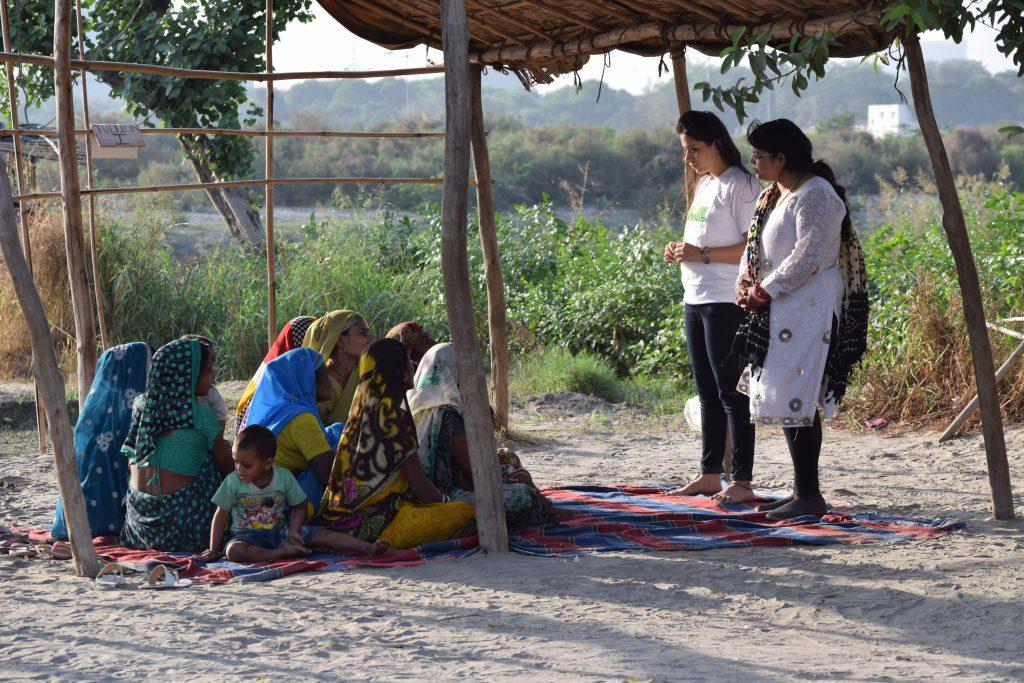
Education and literacy are the foundation of individual growth and national development. They empower children with knowledge, critical thinking skills, and the confidence to make informed decisions throughout their lives. Literacy is more than the ability to read and write—it enables people to access opportunities, improve their quality of life, and contribute meaningfully to society.
Despite significant progress, many children in India still face barriers that prevent them from receiving quality education. Organizations like CRY India work to ensure that every child has access to education and the support needed to thrive.
What Is Education and Literacy?
Education is the process of acquiring knowledge, skills, values, and attitudes through formal and informal learning. Literacy refers to the ability to read, write, understand, and use information effectively in daily life.
Together, education and literacy help individuals:
- Communicate effectively
- Develop critical thinking skills
- Improve employment opportunities
- Make informed health and financial decisions
- Participate actively in society
- Build self-confidence and independence
These benefits extend beyond individuals to strengthen families, communities, and the nation.
Why Education and Literacy Are Important
Empower Children
Education equips children with the skills they need to succeed in school, higher education, and future careers. Literacy allows them to understand information, solve problems, and continue learning throughout life.
Reduce Poverty
Quality education increases access to better employment opportunities, helping families improve their financial stability and break the cycle of poverty.
Promote Gender Equality
When girls receive equal access to education, they are more likely to achieve economic independence, make informed life choices, and contribute to community development.
Improve Health Outcomes
Educated individuals are generally better informed about nutrition, hygiene, healthcare, and disease prevention, leading to healthier families and communities.
Strengthen Communities
Higher literacy rates encourage civic participation, social responsibility, and informed decision-making, contributing to stronger and more inclusive communities.
Challenges to Education and Literacy in India
Although educational opportunities have expanded, several challenges remain:
Economic Barriers
Many families struggle to afford school-related expenses, causing children to miss school or drop out.
Gender Disparities
In some communities, girls continue to face discrimination and limited access to education due to social and cultural factors.
Child Labour
Children engaged in work often lose valuable learning opportunities and are unable to complete their education.
Lack of Educational Infrastructure
Some schools face shortages of classrooms, learning materials, trained teachers, and digital resources.
Learning Gaps
Interruptions in education and unequal access to quality teaching can affect children's literacy and academic progress.
How CRY India Supports Education and Literacy
CRY India works to ensure that every child has the opportunity to receive quality education in a safe and supportive environment. Through partnerships with local communities and grassroots organizations, the organization helps children stay in school and continue learning.
Its efforts include:
- Encouraging school enrollment and regular attendance
- Supporting girls' education
- Promoting child-friendly learning environments
- Raising awareness about the importance of education
- Working to reduce school dropout rates
- Engaging parents and communities in children's education
These initiatives contribute to improving educational outcomes and creating lasting change.
How Parents and Communities Can Help
Improving education and literacy requires the involvement of families and communities. They can:
- Encourage children to attend school regularly.
- Create a positive learning environment at home.
- Read with children every day.
- Support girls' education equally.
- Participate in school activities and community education programs.
- Promote lifelong learning for all family members.
Small actions at home can have a lasting impact on a child's future.
Government and Community Initiatives
Various government programs and community-led initiatives aim to improve access to education by expanding school infrastructure, supporting teacher training, increasing enrollment, and promoting literacy among children and adults. Collaboration between public institutions, NGOs, and local communities strengthens these efforts and helps reach underserved populations.
The Long-Term Benefits of Education and Literacy
Investing in education and literacy creates benefits that extend across generations. Educated individuals are more likely to secure stable employment, support their families, participate in civic life, and contribute to economic growth. Higher literacy levels also encourage innovation, social inclusion, and sustainable development.
Conclusion
Education and literacy are essential for empowering children and creating a more equitable society. Every child deserves the opportunity to learn, develop essential skills, and achieve their full potential.
Organizations like CRY India continue to play an important role in supporting children's education, promoting literacy, and advocating for equal learning opportunities. By working together—parents, schools, communities, governments, and NGOs—we can help ensure that every child receives the education they need to build a brighter future.

 Arabic
 French
 Spanish
 Portuguese
 Deutsch
 Turkish
 Dutch
Dutch
 Italiano
 Russian
 Romaian
 Portuguese (Brazil)
 Greek
Greek