


A well-shaped beard has become an important feature for many men who want to improve their facial appearance and confidence. Beard hair transplants in Dubai have become a popular solution for individuals experiencing patchy facial hair, scars, or naturally thin beard growth. This advanced cosmetic procedure uses healthy hair follicles from another part of the body to create a fuller, natural-looking beard that complements the face.
Whether someone has struggled with uneven facial hair for years or has lost beard growth due to injury, a beard transplant can provide long-lasting improvement. Understanding who qualifies for the procedure helps set realistic expectations and ensures better results.
What Is a Beard Hair Transplant?
A beard hair transplant is a cosmetic procedure that transfers healthy hair follicles, usually from the back of the scalp, into areas of the beard with little or no hair. The transplanted follicles continue to grow naturally after healing, allowing patients to trim, shave, and style their beard as they normally would.
Modern techniques are designed to create natural hair direction, density, and facial symmetry. The treatment is customized according to each person's facial structure, beard pattern, and aesthetic goals.
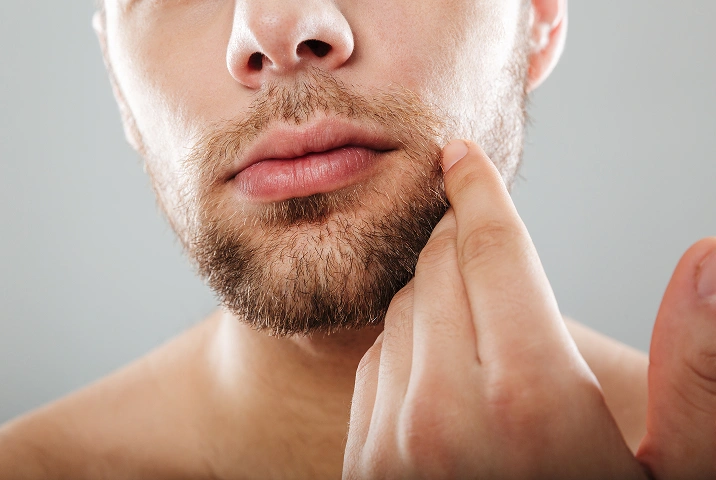
Who Makes the Best Candidate?
Not everyone seeking a fuller beard has the same needs. However, certain characteristics make someone an excellent candidate for this treatment.
An ideal candidate typically:
- Has patchy or uneven beard growth.
- Wants to improve beard density.
- Has healthy donor hair on the scalp.
- Is in good overall health.
- Has realistic expectations about the results.
- Understands that full growth develops gradually over several months.
A detailed consultation helps determine whether the available donor hair is sufficient to achieve the desired beard appearance.
Men With Naturally Thin Beard Growth
Many men inherit sparse facial hair due to genetics. Even with age, certain beard areas may never develop fully, leaving visible gaps or inconsistent density.
A beard transplant offers a permanent option for enhancing these naturally thin areas. By carefully placing individual follicles, specialists create a beard that blends naturally with existing facial hair while maintaining balanced facial proportions.
Candidates With Beard Scars
Scars caused by accidents, burns, acne, or previous surgeries often prevent facial hair from growing normally. Hair transplantation can effectively camouflage these scars by implanting healthy follicles into affected areas.
The success of treatment depends on the condition of the scar tissue and blood supply. During assessment, Dynamic life clinic evaluates the skin and donor hair quality to determine the most suitable treatment approach while designing a personalized beard restoration plan.
Individuals With Healthy Donor Hair
One of the most important requirements for a successful beard transplant is having enough healthy donor hair. The donor area is usually located at the back or sides of the scalp because these follicles are naturally resistant to hair loss.
The quality, thickness, and texture of donor hair all influence the final appearance. Strong donor follicles help produce fuller and more consistent beard growth after transplantation.
Good General Health Improves Recovery
Candidates should be in good overall health before undergoing any cosmetic procedure. Healthy skin, proper circulation, and good healing ability all contribute to successful graft survival.
Lifestyle habits also play an important role during recovery. Following aftercare instructions carefully helps protect newly transplanted follicles while encouraging healthy growth throughout the healing process.
Benefits of a Beard Hair Transplant
A beard transplant offers several long-term advantages beyond simply filling empty areas.
Some of the key benefits include:
- Permanent facial hair growth.
- Natural-looking beard density.
- Improved facial balance.
- Better beard styling options.
- Increased confidence and self-image.
- Customized results based on facial features.
- Minimal visible scarring with modern techniques.
- Long-lasting outcomes with proper care.
These advantages make beard restoration an appealing option for men seeking a fuller and more defined appearance.
Who May Need to Wait?
Although many people qualify for treatment, some individuals may be advised to postpone the procedure until certain conditions improve.
Examples include:
- Active skin infections.
- Poorly controlled medical conditions.
- Insufficient donor hair.
- Unrealistic cosmetic expectations.
- Ongoing facial skin disorders affecting healing.
Addressing these concerns first helps create a safer treatment experience and supports healthier long-term results.
Preparing for the Procedure
Preparation begins with a comprehensive evaluation of facial hair patterns, skin condition, and donor hair availability. Patients may receive instructions regarding medications, smoking, skincare routines, and general health before treatment.
Maintaining a healthy lifestyle before the procedure supports better healing and encourages successful follicle survival. Careful planning also allows specialists to create a beard design that matches natural facial contours and future grooming preferences.
Recovery and Expected Results
Recovery is generally straightforward when aftercare instructions are followed carefully. Mild redness, swelling, and small scabs are common during the early healing phase and gradually disappear.
Initially, transplanted hairs may shed before entering a new growth cycle. Fresh beard growth usually begins after several months, with continued improvement over time as the follicles mature. Patience is essential because natural-looking density develops gradually rather than immediately.
Conclusion
Choosing the right candidate is one of the most important factors in achieving successful facial hair restoration. Men with patchy growth, healthy donor hair, realistic expectations, and good overall health often experience the most satisfying outcomes. Careful evaluation, personalized planning, and proper aftercare all contribute to natural-looking, long-lasting results. For individuals seeking a fuller and more balanced beard, Beard hair transplants offer a reliable solution that enhances facial definition while delivering permanent improvement in beard growth.

 Arabic
 French
 Spanish
 Portuguese
 Deutsch
 Turkish
 Dutch
Dutch
 Italiano
 Russian
 Romaian
 Portuguese (Brazil)
 Greek
Greek