


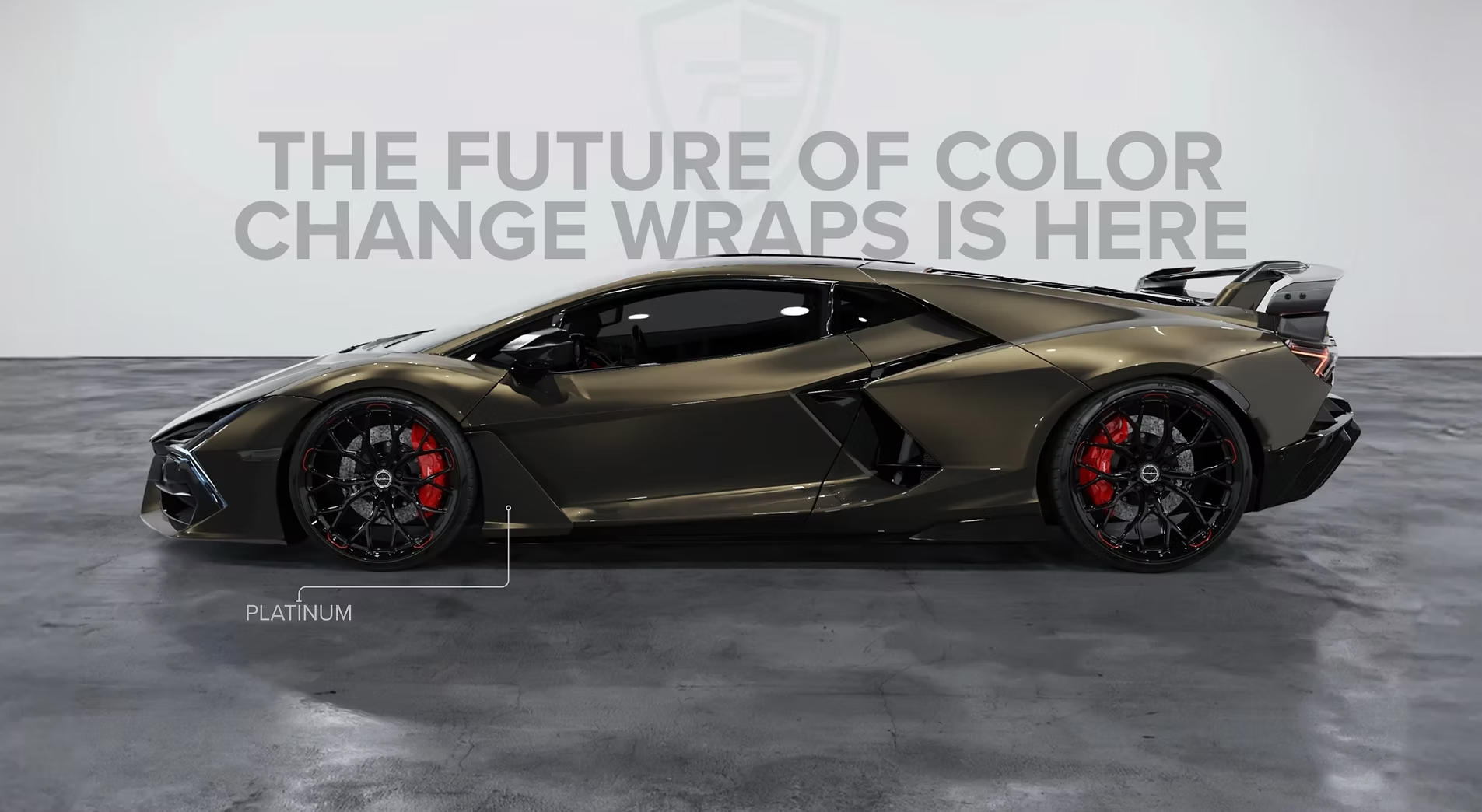
Discover the exact steps to evaluate, test, and successfully partner with a top-tier paint protection film manufacturer. Learn how to secure authorized dealer status, access wholesale pricing, and grow your installation business with the right B2B supplier.
How Do You Become an Authorized PPF Dealer?
If you are wondering how to partner with a paint protection film manufacturer, the process begins with business verification and material testing. To become an authorized dealer, you must first register your business by submitting an Employer Identification Number (EIN) or seller's permit to the manufacturer. Once approved, you gain access to wholesale pricing tiers. However, securing the account is only half the battle. You must then order a sample kit to test the film's adhesive, stretch limits, and self-healing properties in your own shop. Partnering with the right manufacturer ensures you get access to cutting-edge TPU films, robust warranty backing, and the digital cutting templates (DAP) necessary to scale your installation business.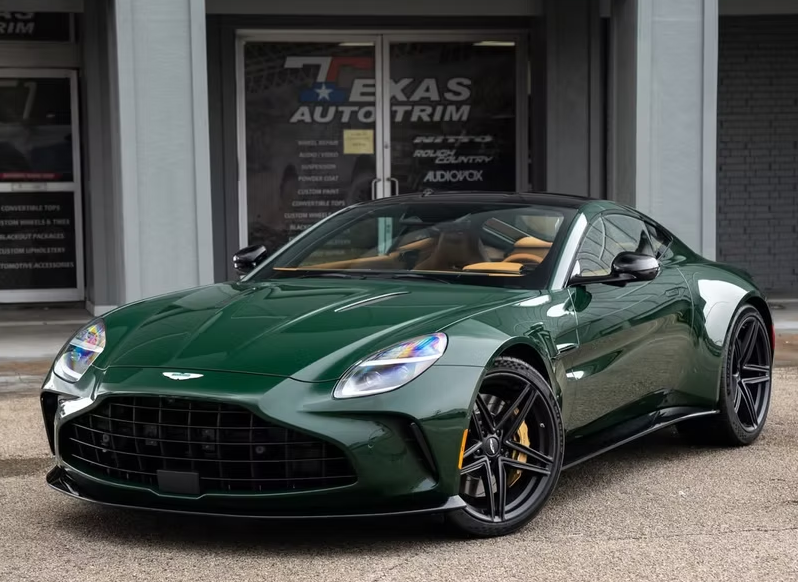
Resources & Documentation Needed to Apply
Before you approach a premium paint protection film manufacturer, you must have your business infrastructure in place. Most top-tier brands will not sell bulk rolls directly to DIY consumers.
| Requirement | Purpose | Professional Recommendation |
| Business License / EIN | Verifies your business as a legitimate B2B entity. | Have your Tax ID and Seller's Permit ready in PDF format. |
| Commercial Facility | Proves you have a controlled environment for installation. | Photos of a clean, well-lit shop area (many brands reject mobile-only installers). |
| Sample Testing Budget | Allows you to purchase initial film samples for real-world testing. | Expect to spend $50–$150 on manufacturer sample kits. |
| Plotter / Cutter | Used to cut digital vehicle templates (if applicable). | A 60-inch commercial plotter is standard for bulk PPF shops. |
Preparation Steps
Before signing any dealer agreements, take these two preparation steps:
-
Define Your Core Market: Are you primarily installing standard clear bras for daily drivers, or are you looking to capitalize on the booming color-infused PPF trend? Your focus will dictate which manufacturer is the best fit.
-
Evaluate Your Monthly Volume: Most manufacturers offer tiered pricing. Calculate your rolling 30-day material spend. If you spend over $1,000 to $5,000 a month, you can negotiate higher-tier discounts right from the start.
Detailed Step-by-Step Instructions
Partnering with a manufacturer is a long-term commitment. Follow these steps to ensure you choose a brand that supports your growth.
Step 1: Order and Test the Manufacturer's Sample Kit
Never sign a long-term contract or buy a bulk roll based on marketing hype alone.
-
Request a sample kit from the manufacturer.
-
Test the film's "initial tack" (how aggressively the glue grabs the paint) and its repositionability.
-
Perform a stretch test to ensure the film does not suffer from "silvering" or adhesive failure when stretched around complex bumper corners.
-
Test the self-healing topcoat by intentionally scratching the film with a wire brush and applying heat.
Step 2: Evaluate the Warranty and Claims Process
A manufacturer's warranty is a direct reflection of their confidence in their Aliphatic TPU chemistry.
-
Review the warranty terms. You want a minimum of a 10-year warranty covering yellowing, cracking, and delamination.
-
Ask your sales rep about the claims process. If a roll is defective, do they replace the material and cover the labor cost of the reinstall? Leading manufacturers will compensate you for both.
Step 3: Review the Dealer Program Tiers and Incentives
Not all dealer programs are created equal. You need a manufacturer whose pricing scales as you grow.
-
Look at the entry-level discount (typically around 4% off MSRP).
-
Ask about volume-based auto-promotions. For example, some programs automatically bump you to a 10% or 20% discount once your monthly spend hits a specific threshold.
-
If you install a lot of color PPF, ask if they offer a "Color Modifier" bonus that rewards shops running a high percentage of color film.
Step 4: Assess Training and Software Support
High-quality film is useless if you cannot cut or install it efficiently.
-
Ensure the manufacturer provides access to a Design Access Program (DAP) or a similar pattern software. This gives you perfectly measured digital templates for almost any vehicle.
-
Inquire about their in-person training certification programs. Getting your team officially certified by the manufacturer often grants you premium placement on their online "Find an Installer" map.
Step 5: Sign the Authorized Dealer Agreement
Once you are satisfied with the material, pricing, and support ecosystem, it is time to formalize the relationship.
-
Submit your business details through their registration portal.
-
Sign the Authorized Dealer Terms, which outline MAP (Minimum Advertised Price) policies and regional exclusivity if applicable.
-
Set up your dedicated wholesale dashboard to streamline future roll orders.
Pro Tips for PPF Dealers
-
Ask About Marketing Assets: The best paint protection film manufacturers provide their dealers with point-of-purchase displays, digital banners, and high-resolution video content to help you close sales in your waiting room.
-
Negotiate Regional Exclusivity: If you operate in a smaller market, ask the manufacturer if they will grant you a geographical radius lock. This prevents them from selling to the shop down the street, making you the exclusive provider of their brand in your city.
Common Mistakes to Avoid
-
Chasing the Cheapest Roll: Buying cheap TPH film from overseas white-label manufacturers will ruin your shop's reputation. When the film yellows in six months, you will bear the brunt of the angry customer reviews.
-
Ignoring Adhesive Behavior: Some films have highly aggressive adhesives that make installation a nightmare, leading to heavy squeegee lines. Always prioritize film with forgiving, low-initial-tack glue.
-
Failing to Verify Support Response Times: If you are halfway through an install on a Friday afternoon and a roll is defective, you need a manufacturer who picks up the phone. Test their customer service responsiveness before you buy.
Best Practices for Maintaining Your Dealer Status
Once you are an authorized dealer, keeping a healthy relationship with your manufacturer guarantees you the best pricing and support.
-
Maintain Consistent Volume: Most top-tier tiers (and their accompanying discounts) are based on a rolling 30-day or 90-day purchase history. Keep your orders consistent to hold onto your discount tier.
-
Register All Warranties Promptly: Always register your customer's vehicle in the manufacturer's warranty portal the day the car leaves your shop. This builds trust with both the client and the manufacturer.
-
Stay Updated on New SKUs: Manufacturers frequently release new color-infused films and thicker defensive options. Order swatches of new releases immediately so you can offer them to early-adopter clients.
Frequently Asked Questions (FAQs)
What is a paint protection film manufacturer dealer program?
A dealer program is a B2B partnership that grants an installation shop access to a manufacturer's wholesale pricing, proprietary cutting software, marketing materials, and official warranty backing.
Do I need a physical shop to buy directly from a manufacturer?
Generally, yes. Premium PPF manufacturers want to protect their brand's reputation. They require authorized dealers to have clean, enclosed, commercial facilities to ensure the film is installed without dust contamination.
What is the difference between a PPF manufacturer and a distributor?
A manufacturer chemically engineers and produces the TPU film in a factory. A distributor simply purchases bulk shipments of film from various manufacturers and acts as a middleman, reselling it to local shops (often at a markup).
Do manufacturers provide the software to cut the film?
Yes, most industry-leading manufacturers offer proprietary design software (often called DAP or plotting software) packed with tens of thousands of precise vehicle templates, saving installers massive amounts of time and material waste.
How much volume do I need to get the best wholesale discounts?
While entry-level authorized status usually has no minimum, unlocking top-tier discounts (15% to 25% off MSRP) typically requires a shop to maintain a rolling monthly spend of $3,000 to $10,000, depending on the brand.
Final Conclusion
Partnering with the right paint protection film manufacturer is the most critical business decision an installation shop will make. Your supplier dictates the quality of your finished product, your profit margins, and your customer satisfaction rates. By rigorously testing sample kits, evaluating warranty backing, and leveraging tiered dealer programs, you can align your shop with a manufacturer that not only provides exceptional Aliphatic TPU film but also acts as a true partner in your business growth. Choose wisely, secure your authorized status, and start offering your clients the ultimate in automotive protection.

 English
 Arabic
 French
 Spanish
 Portuguese
 Deutsch
 Dutch
Dutch
 Italiano
 Russian
 Romaian
 Portuguese (Brazil)
 Greek
Greek