


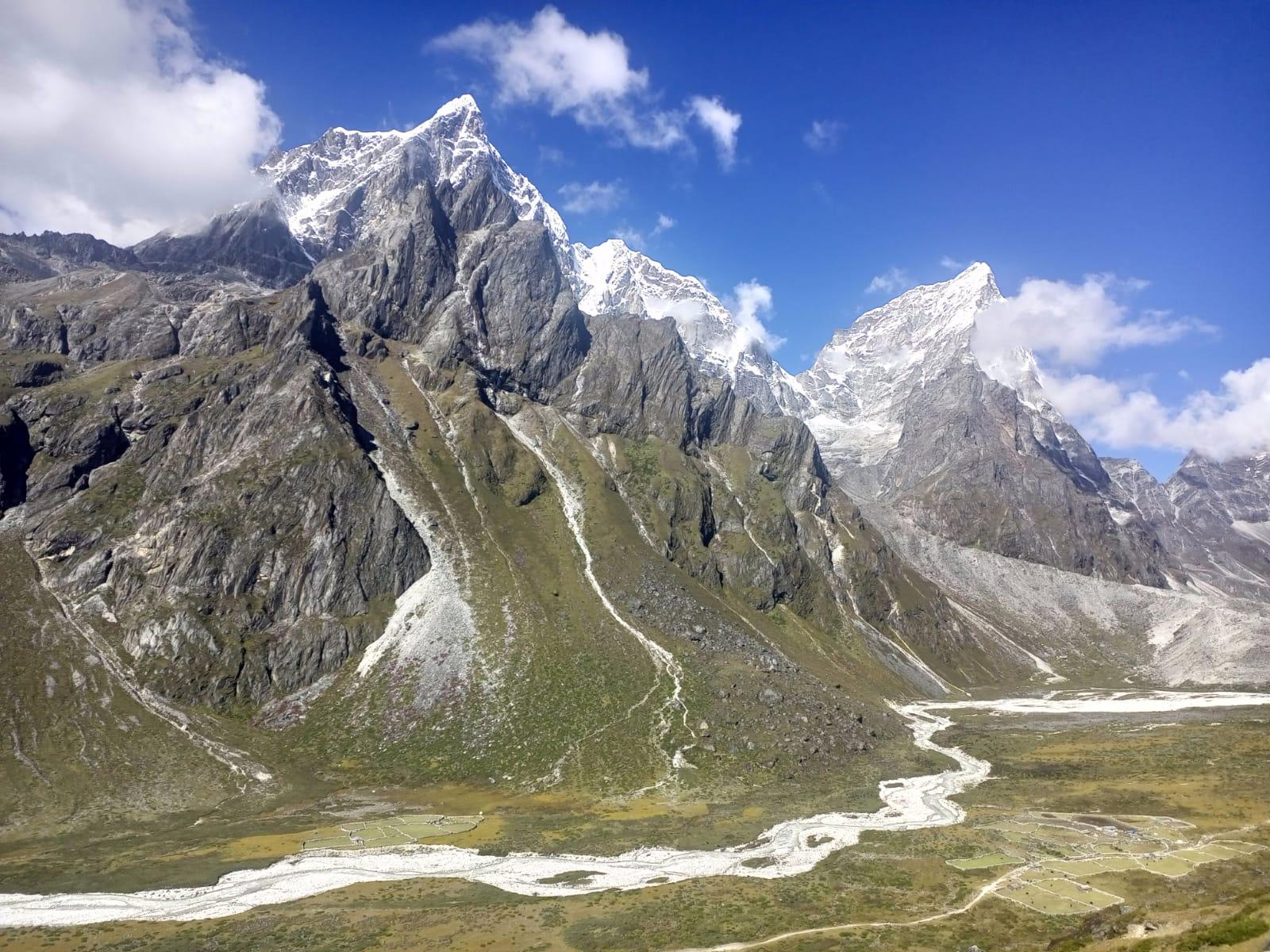
Walking the Annapurna Circuit means facing a big question right away - go solo or bring someone along? Each path works differently depending on how much you’ve done before, how sure you feel, what kind of rhythm suits you. Going it alone gives freedom; many like figuring things out step by step without help. Others find comfort in having someone who knows villages, trails, small signs most miss. In the end, it’s less about what others do - it matches how you move through new places.
Why People Choose Guides
Someone who leads the way shares firsthand insight from years spent on mountain paths. Weather shifts fast up high - these people notice warning signs before trouble arrives. When trails change overnight, they adjust without hesitation. Stories about old customs come out during quiet moments along the trail. History feels different when told at a centuries-old resting spot. New hikers breathe easier knowing decisions rest in another's hands each day. Route choices, timing, where to stop - all handled quietly behind the scenes.
Safety Advantages
Most folks bring along a guide because staying safe matters. When air gets thin, storms roll in fast, or paths fade into nowhere - trouble shows up quiet. Someone who knows the land spots trouble like dizziness or breath loss before it grows. If someone slips or falls, that person helps call for aid and talks directly to those who respond. Help arrives faster when guidance comes from experience.
Trekking Without a Guide
Some seasoned hikers prefer walking the Annapurna Circuit alone. This path runs through numerous settlements where lodges serve hot drinks, helping travelers stay on track more easily compared to isolated backcountry trails. Going solo means setting your speed, picking stops, choosing where to sleep - without sticking to someone else’s plan.
Flexibility and Independence
Most folks pick solo hikes when they want to call their own shots. When a village charms you, stay longer - no need to rush. Some mornings you feel strong, so walk farther; others, just go slow. That kind of freedom pulls in people who hate fixed plans. Still, sorting out routes, maps, and surprises? All on you.
Cultural Experience With a Guide
Someone who knows the area well shows hikers parts of life they’d likely overlook. Hidden tales about temples, towns, and peaks come alive through their words. Talking with residents becomes easier when there’s someone familiar guiding the way. Meaning grows not just from arriving somewhere, but from what unfolds along the path.
Budget Considerations
Most people find guided trips on the Annapurna Circuit add up fast due to per-day charges. Going solo often means less spending - just cover what you need like meals, sleep spots, and official papers. Others split the difference, bringing along a guide only when trails get tricky or elevation rises.
Responsibility and Preparation
Alone on the trail, you handle everything yourself - so knowing what lies ahead matters most. Route knowledge comes first, then checking how high you'll climb and whether storms might roll in. Maps must be clear; plans should bend when needed. When someone leads the way, they sort out where to sleep, where to walk, even when to stop - but your body still needs readiness.
Best Option Chosen
Comfort comes down to what you want plus how much time you have spent walking high trails. Some folks start easier when someone else leads, simply due to knowing help is near. Others, already used to rough paths, choose their own rhythm - no schedule but theirs. A good plan matters most, whether there's one pair of boots or two making tracks through Annapurna’s loop.
Conclusion
Some people hire a guide for the Annapurna Circuit Trek - others prefer going alone. Safety, local insights, and easier planning come with having someone lead the way. Walking solo opens up room to move at your own pace, change plans on impulse. It really depends on what you’re good at, how much you want to spend, how you picture the trip turning out. However it unfolds, this path through the Himalayas stays unforgettable.

 English
 Arabic
 French
 Spanish
 Portuguese
 Deutsch
 Turkish
 Dutch
Dutch
 Russian
 Romaian
 Portuguese (Brazil)
 Greek
Greek