


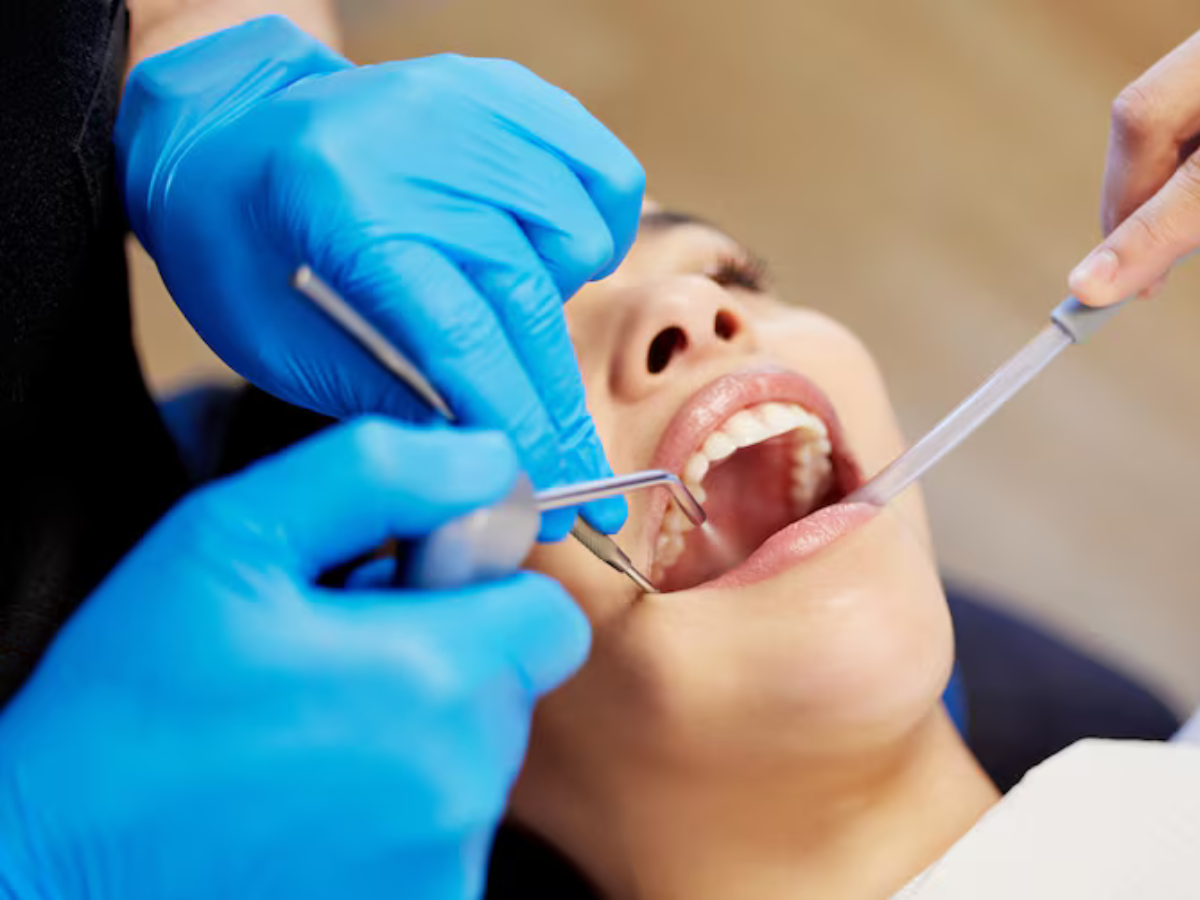
It sounds like a strange thing to say, but a lot of people who go to the dentist regularly couldn't tell you with any real detail what happens during a dental check up in Simi Valley beyond "they clean my teeth and look around." And that vague understanding is part of why dental anxiety is so common — the unknown fills in with worst-case assumptions. The reality is that a routine dental examination follows a pretty consistent sequence of steps, each one with a specific purpose, and none of them are mysterious once you know what's actually happening and why. So let's just walk through it, start to finish, the way it actually goes.
Before Anyone Looks at Your Teeth — The Health History Part
This step gets skipped over mentally but it matters more than people give it credit for. When you arrive, especially as a new patient but also periodically as an existing one, you'll fill out or update a health history form. Medications you're taking, medical conditions you have, allergies, recent surgeries, changes in your health since your last visit.
This isn't paperwork for paperwork's sake. A lot of medications cause dry mouth, which increases cavity risk. Some conditions affect gum healing. Blood thinners matter before any procedure that might involve bleeding. Certain heart conditions require antibiotic premedication before dental work. A dentist who doesn't know your medical picture is working with incomplete information, and that actually affects how they treat you. So if you've been dismissing that part of the intake process, it's worth taking it a bit more seriously.

X-Rays — What They're Looking For and Why
Not every visit includes X-rays, but many do, particularly if it's been a while or if you're a new patient at a practice. Dental X-rays catch things that are completely invisible to the naked eye — decay between teeth where two surfaces touch, bone loss around the roots, infections developing at the tip of a root, impacted teeth, cysts. The visual exam that comes after is more limited without them.
The frequency of X-rays depends on your individual risk profile. Someone with a history of cavities, gum disease, or complex dental work gets them more often. Someone with consistently clean checkups and low risk might go longer between full sets. A good dentist in Simi Valley calibrates this to the patient rather than just running the same protocol on everyone. Bitewing X-rays check for cavities between teeth. Periapical X-rays show the full tooth from crown to root. Panoramic X-rays give a broad view of the whole mouth and jaw. Which ones get taken depends on what's being assessed.
The Periodontal Exam — Gums Are Half the Story
This is the part where someone calls out numbers while someone else writes them down, and most patients have no idea what those numbers mean. They're pocket depths — measurements in millimeters of the space between your gum and your tooth. Healthy pockets are shallow, typically 1 to 3 millimeters. Deeper pockets, 4 millimeters and above, indicate gum inflammation or the beginning of periodontal disease.
The hygienist or dentist probes around every tooth and charts the readings. They also note bleeding on probing — healthy gum tissue generally doesn't bleed when touched with the probe. Bleeding indicates inflammation, which is the body's response to bacterial buildup at the gumline. This whole process only takes a few minutes but it generates genuinely useful diagnostic information. It's how early gum disease gets caught before it progresses into something that requires more involved treatment.
The Clinical Examination — What the Dentist Is Actually Checking
After the hygienist has done the preliminary work, the dentist comes in for the examination portion. People picture this as a quick look-around but there's more going on than that. The dentist is checking each tooth individually — looking for cracks, wear patterns, areas of decay, problems with existing restorations like fillings or crowns that are aging or failing. They're evaluating the bite, checking for signs of grinding or clenching, assessing how teeth are aligned and how they come together.
They also check soft tissues — the tongue, the inside of the cheeks, the roof of the mouth, the throat, the lips. This is the oral cancer screening portion. Abnormal tissue, unusual color changes, sores that haven't healed, lumps — these are things a trained eye catches during a routine dental check up that a patient would likely never notice themselves. The temporomandibular joint gets assessed too, especially if there's any clicking, popping, or jaw pain reported. It's a comprehensive evaluation, not just a tooth inspection.
The Cleaning — What's Actually Happening With Those Tools
Professional cleaning, which most people think of as "the main event," involves a few distinct things. Scaling removes tartar — the hardened calcified deposit that builds up on teeth and can't be removed by brushing. The metal hand tools and ultrasonic scalers chip and vibrate it loose. This is the part that sometimes feels scratchy or sensitive, particularly if tartar has built up at or below the gumline.
Polishing comes after scaling. The gritty paste and rotating cup remove surface staining and smooth the tooth surfaces. It doesn't whiten teeth in any meaningful clinical sense, but it does clean up surface discoloration and leaves teeth feeling noticeably smoother. Flossing clears debris from between the teeth after polishing. The whole cleaning typically takes 30 to 45 minutes for someone with good baseline oral health. More buildup, or active gum concerns, takes longer.

Fluoride and What Comes After the Chair
Fluoride treatment at the end of a cleaning — typically a gel, foam, or varnish applied to the teeth — helps remineralize enamel and provides some additional protection against decay. It's brief, takes a minute or two, and is particularly recommended for patients with higher cavity risk. Kids get it routinely. Adults benefit from it too, especially those with dry mouth, a history of cavities, or exposed root surfaces.
After the clinical work, there's usually a conversation — what was found, what it means, what if anything needs to be addressed, and what to do at home. This part is worth paying attention to. If a dentist in Simi Valley flags something that needs monitoring or treatment, getting a clear understanding of the timeline and the stakes helps you make an informed decision rather than leaving confused and hoping for the best.
What Makes a Dental Check Up Worth Coming Back For
Here's the thing about routine dental checkups that doesn't get said plainly enough. They're not about finding problems to fix — ideally they're about not finding anything significant because early intervention has kept things clean. The value of a twice-yearly dental check up in Simi Valley is cumulative. One visit gives you a snapshot. Years of consistent visits give your dentist a detailed picture of how your oral health is trending — what's stable, what's changing slowly, what warrants attention before it becomes a real issue.
The appointments where "nothing was found" aren't wasted appointments. They're the whole point.

 English
 Arabic
 French
 Spanish
 Portuguese
 Deutsch
 Turkish
 Dutch
Dutch
 Italiano
 Russian
 Portuguese (Brazil)
 Greek
Greek