


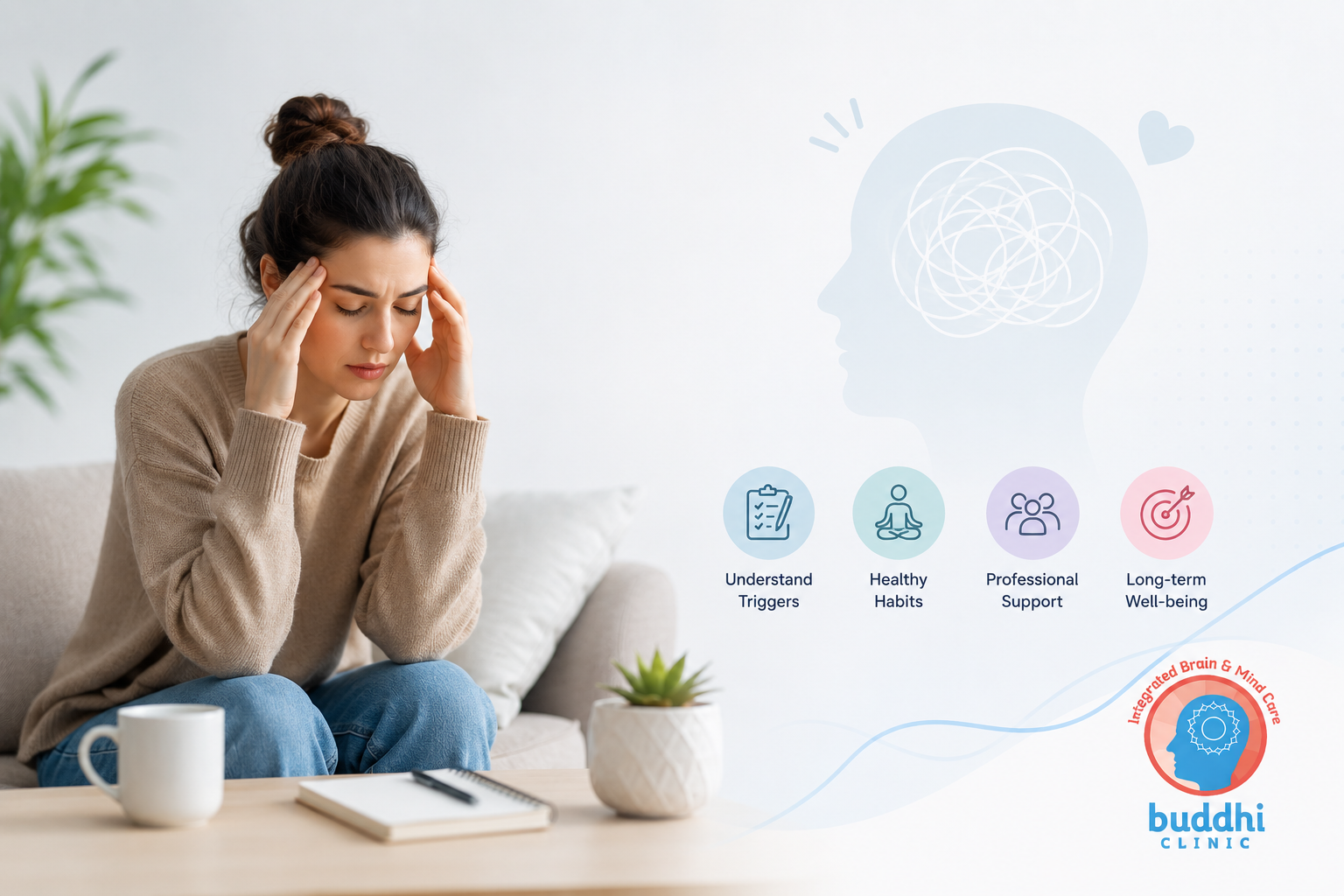
Anxiety is a common mental health condition that affects millions of people worldwide. While occasional worry is a normal part of life, persistent anxiety can interfere with relationships, work, sleep, and overall well-being. Many individuals try to cope on their own but unknowingly adopt habits that make their symptoms worse.
Recognizing these common mistakes is the first step toward better mental health. With the right guidance and a structured Anxiety Care Plan, individuals can build healthier coping strategies and improve their quality of life.
Ignoring Symptoms for Too Long
One of the biggest mistakes people make is assuming anxiety will simply disappear on its own. While mild stress may resolve with time, ongoing anxiety often requires attention and support.
Signs that should not be ignored include:
-
Constant worrying
-
Difficulty concentrating
-
Restlessness
-
Trouble sleeping
-
Irritability
-
Racing thoughts
-
Physical symptoms such as rapid heartbeat or muscle tension
Seeking help early can prevent anxiety from becoming more severe and affecting daily functioning.
Trying to Handle Everything Alone
Many people hesitate to talk about their mental health because of fear, stigma, or the belief that they should solve the problem independently. However, managing anxiety without professional guidance can delay recovery.
Mental health professionals can provide personalized strategies, therapy, and practical tools that address the root causes of anxiety rather than just the symptoms.
Developing an Anxiety Care Plan with qualified experts creates a structured approach to long-term emotional well-being.
Avoiding Situations That Trigger Anxiety
Avoidance may provide temporary relief, but it often reinforces anxiety over time. Continuously avoiding certain places, conversations, or responsibilities can make fears feel even more overwhelming.
Instead, gradual exposure under professional guidance can help individuals build confidence and reduce anxious reactions in a safe and controlled manner.
Neglecting Physical Health
Mental and physical health are closely connected. Poor lifestyle habits can increase anxiety symptoms and make recovery more challenging.
Common issues include:
-
Lack of sleep
-
Poor nutrition
-
Excessive caffeine intake
-
Limited physical activity
-
Dehydration
Healthy daily routines support both emotional resilience and overall wellness.
Relying Only on Quick Fixes
Some individuals depend entirely on temporary solutions, such as excessive screen time, alcohol, or unhealthy coping mechanisms, to manage anxiety. While these may offer short-term comfort, they rarely address the underlying problem.
An effective Anxiety Care Plan focuses on sustainable strategies, including therapy, stress management techniques, mindfulness practices, healthy routines, and ongoing support.
Ignoring Stress Management
Chronic stress is a major contributor to anxiety. Without healthy coping skills, everyday challenges can become overwhelming.
Helpful stress-management techniques include:
-
Deep breathing exercises
-
Meditation
-
Journaling
-
Regular exercise
-
Spending time in nature
-
Maintaining social connections
Even small daily habits can have a positive impact on emotional balance.
Expecting Immediate Results
Managing anxiety is a gradual process. Many people become discouraged if they do not notice improvement after a few days or weeks.
Recovery often requires patience, consistency, and adjustments to treatment over time. Celebrating small victories and maintaining realistic expectations can help sustain motivation.
Comparing Yourself to Others
Every person's experience with anxiety is unique. Comparing progress with friends, family members, or stories online can create unnecessary pressure and frustration.
A personalized approach allows treatment to match individual needs, symptoms, and goals rather than following someone else's journey.
Skipping Professional Follow-Ups
Even when symptoms improve, ongoing check-ins with healthcare providers or therapists can be valuable. Follow-up appointments allow professionals to monitor progress, adjust treatment if necessary, and provide continued encouragement.
Maintaining a consistent Anxiety Care Plan ensures that improvements are sustained and setbacks are addressed early.
Building Healthier Habits for Long-Term Success
Successfully managing anxiety often involves combining professional care with positive lifestyle changes.
Daily habits that support mental well-being include:
-
Keeping a regular sleep schedule
-
Eating balanced meals
-
Practicing mindfulness
-
Exercising regularly
-
Staying connected with supportive people
-
Setting realistic goals
-
Making time for relaxation
These practices contribute to greater resilience and emotional stability over time.
Conclusion
Anxiety can feel overwhelming, but many of the challenges people face come from common mistakes that are entirely avoidable. Ignoring symptoms, avoiding help, relying on quick fixes, and neglecting healthy habits can all make anxiety more difficult to manage.
Creating a thoughtful Anxiety Care Plan with professional guidance provides a roadmap for understanding triggers, building healthy coping mechanisms, and improving overall well-being. With the right support, patience, and consistent self-care, individuals can reduce anxiety's impact and move toward a calmer, healthier, and more balanced life. Contact Buddhi Clinic for such treatments.

 Arabic
 French
 Spanish
 Portuguese
 Deutsch
 Turkish
 Dutch
Dutch
 Italiano
 Russian
 Romaian
 Portuguese (Brazil)
 Greek
Greek