


The comparison between zinc alloy vs stainless steel has become increasingly important in manufacturing, construction, automotive engineering, and industrial production. Both materials are widely used because they offer strength, corrosion resistance, and long-term reliability. However, they differ significantly in composition, performance, appearance, and overall durability. Choosing the right material depends on the intended application, environmental conditions, and budget requirements.
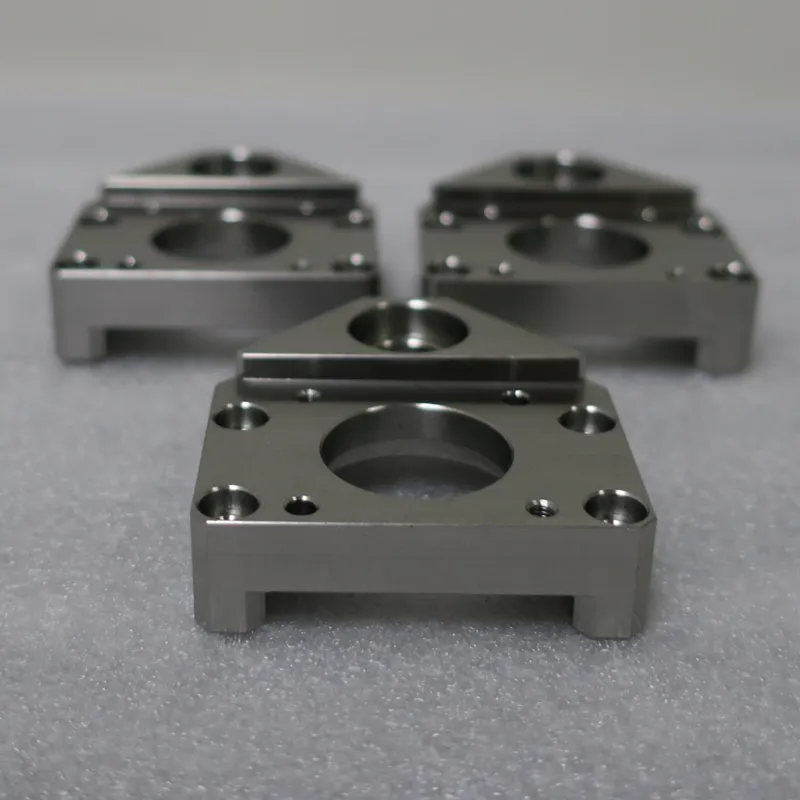
Zinc alloy is produced by combining zinc with other metals such as aluminum, copper, or magnesium. This process improves the mechanical properties of zinc and creates a material that is lightweight, cost-effective, and easy to shape. Stainless steel, on the other hand, is an iron-based alloy that contains chromium and other elements designed to resist rust and corrosion naturally. Stainless steel is known for its superior strength, polished finish, and ability to withstand harsh environments.
Industries that rely on seamless steel pipe systems, precision components, metal fittings, and structural applications often compare these two materials before selecting the best option. Understanding the differences between zinc alloy and stainless steel can help businesses and consumers make informed decisions for long-term performance and value.
Stainless Steel Strength and Corrosion Resistance
Stainless steel is widely recognized for its outstanding strength and exceptional resistance to corrosion. The chromium content in stainless steel creates a protective oxide layer on the surface that prevents rust formation even when exposed to moisture, chemicals, or extreme weather conditions. This makes stainless steel highly suitable for demanding environments such as marine applications, industrial plants, and food processing facilities.
One of the major advantages of stainless steel is its durability under pressure and heat. Stainless steel seamless steel pipe products are commonly used in industries where high pressure, elevated temperatures, and long operational life are essential. These pipes maintain structural integrity even under challenging conditions, making them ideal for oil and gas systems, chemical processing, and heavy machinery.
Another benefit of stainless steel is its premium appearance. The smooth and polished finish gives a clean, modern, and professional look that remains attractive over time. Because of this visual appeal, stainless steel is commonly used in kitchen appliances, architectural structures, medical instruments, and decorative fittings.
Stainless steel also requires minimal maintenance. Unlike coated metals, it does not need regular painting or additional protective treatments in most applications. Although stainless steel is generally more expensive than zinc alloy, its long service life and low maintenance costs often make it a more economical choice in the long run.
Zinc Alloy Performance and Manufacturing Benefits
Zinc alloy is valued for its versatility, lightweight nature, and affordability. It is commonly used in die casting because it can easily be molded into complex shapes with high precision. This makes zinc alloy an excellent material for manufacturing hardware components, automotive parts, electronic accessories, locks, handles, and decorative products.
One of the strongest advantages of zinc alloy is its cost-effectiveness. Compared to stainless steel, zinc alloy products are usually less expensive to produce and process. This affordability makes zinc alloy popular in industries where large-scale manufacturing and budget efficiency are important considerations.
Zinc alloy also offers good corrosion resistance in moderate environmental conditions. The material naturally forms a protective coating that slows down oxidation and surface damage. For indoor applications and low-moisture environments, zinc alloy can maintain its appearance and performance for many years.
Another important feature of zinc alloy is its excellent casting capability. Manufacturers prefer zinc alloy for producing detailed and intricate designs because it allows smoother finishing and greater dimensional accuracy. This is particularly useful for consumer products and decorative metal parts where aesthetics and precision are essential.
However, zinc alloy is generally less strong than stainless steel. Under heavy loads, extreme temperatures, or highly corrosive environments, zinc alloy may wear out faster or lose structural stability. For critical industrial systems such as seamless steel pipe networks and high-pressure equipment, stainless steel usually provides better long-term reliability.
Zinc Alloy vs Stainless Steel Cost and Application Differences
Cost is one of the primary factors when comparing zinc alloy vs stainless steel. Zinc alloy is often selected for projects where affordability and manufacturing efficiency are the main priorities. Since it is easier to cast and shape, production costs remain relatively low. This makes zinc alloy suitable for consumer goods, hardware accessories, and decorative products that do not require extreme durability.
Stainless steel, although more expensive initially, offers superior mechanical strength and long-term performance. In industries where equipment failure can result in high maintenance expenses or safety risks, stainless steel becomes the preferred option because of its reliability and resistance to wear.
Environmental exposure also plays a major role in material selection. Zinc alloy performs well in indoor conditions and areas with limited exposure to moisture or chemicals. Stainless steel is better suited for outdoor installations, marine environments, and industrial facilities where corrosion resistance is critical.
Weight is another noticeable difference between the two materials. Zinc alloy is lighter than stainless steel, which can be beneficial in applications where reducing overall product weight is important. Automotive manufacturers and electronics companies often use zinc alloy components to improve efficiency and simplify product design.
In piping and construction industries, stainless steel seamless steel pipe systems remain highly preferred because they can handle pressure, temperature changes, and corrosive substances more effectively than zinc alloy alternatives. Stainless steel is also widely used in infrastructure projects where durability and safety standards are essential.
The appearance of both materials can influence purchasing decisions as well. Zinc alloy products often have decorative coatings or plating to improve aesthetics, while stainless steel naturally maintains a sleek and polished surface without additional finishing. This gives stainless steel a more premium and professional appearance in high-end applications.
Conclusion
The debate between zinc alloy vs stainless steel depends largely on performance requirements, environmental conditions, and budget considerations. Zinc alloy is an affordable, lightweight, and highly versatile material that works well for decorative components, hardware products, and precision manufacturing applications. Its casting efficiency and cost-effectiveness make it a practical choice for many industries.
Stainless steel offers superior strength, exceptional corrosion resistance, and excellent durability in demanding environments. It is commonly used in industrial systems, seamless steel pipe applications, construction projects, and high-performance machinery where long-term reliability is essential.
Both materials provide valuable benefits, but their suitability depends on the specific purpose of the project. Zinc alloy is ideal for lightweight and cost-sensitive applications, while stainless steel remains the preferred option for heavy-duty performance, structural stability, and harsh environmental conditions.

 Arabic
 French
 Spanish
 Portuguese
 Deutsch
 Turkish
 Dutch
Dutch
 Italiano
 Russian
 Romaian
 Portuguese (Brazil)
 Greek
Greek