



The Bozeman Clamp, also known as the Bozeman uterine dressing forceps, is one of those surgical instruments that has stood the test of time for a good reason. In gynecology, where precision, reach, and gentle tissue handling matter so much, this instrument continues to play a dependable role. It may look simple at first glance, but its shape and mechanics are carefully designed for work inside the vaginal canal and uterine cavity. If you have ever explored classic gynecology clamps instrument sets, you have likely come across the Bozeman Clamp. Its long shaft, curved profile, and controlled grip make it especially useful for placing and removing dressings, packing, and other materials during procedures. That mix of simplicity and function is exactly why it remains a staple in many clinical and surgical settings.
Introduction to the Bozeman Clamp
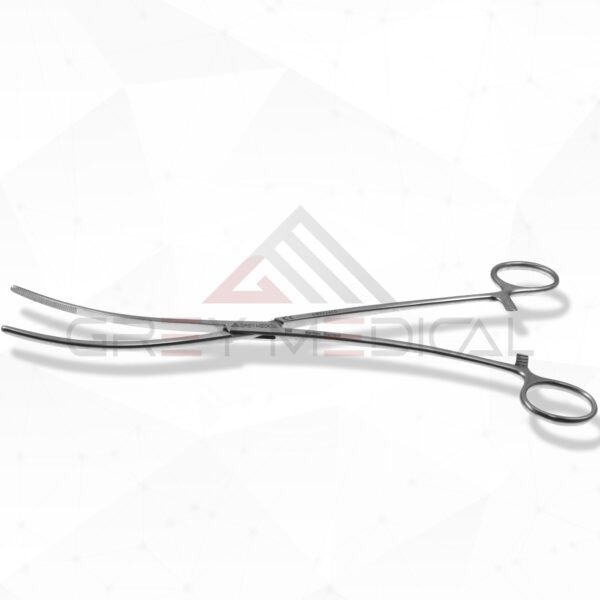
The Bozeman Clamp is a specialized form of forceps used primarily in gynecology. It is most often referred to as Bozeman uterine dressing forceps because one of its traditional uses is placing dressings or packing within the uterus or vaginal canal. The instrument is long, slender, and curved in a way that allows clinicians to access deeper anatomical spaces with better visibility and control.
Its primary role is to help grasp, guide, place, or remove sterile materials during gynecologic examination and procedures. While many modern practices use a wide range of newer tools, the Bozeman Clamp remains highly relevant because it solves a very practical problem: it provides safe reach into areas that are not easy to access with standard straight forceps.
This instrument is especially valued in settings where atraumatic handling and directional control are essential. In gynecologic care, that can include uterine dressing, vaginal packing, post-procedural care, and assistance during intrauterine interventions. Its continued use says a lot about its effectiveness. When an instrument works well, clinicians keep it close at hand.
Design Features of the Bozeman Clamp
The Bozeman Clamp is known for a few defining features that set it apart from general-purpose forceps. Each part of its design contributes directly to its clinical usefulness.
Double-curved shape
One of the most distinctive features of the Bozeman Clamp is its double-curved design. This shape is not just for appearance. It allows the instrument to follow the natural contours of the female pelvic anatomy more effectively than a straight instrument can.
The bozeman clamp curve helps the clinician reach into the vaginal canal or uterus while maintaining a more comfortable hand position outside the body. That matters a great deal during delicate procedures. A well-designed curve can improve line of access, reduce awkward wrist movement, and support more precise placement of dressings or packing.
In practical terms, this means the Bozeman Clamp offers better maneuverability in confined spaces. For gynecologic work, where the anatomy is deep and visibility may be limited, that design advantage is significant.
Serrated jaws
The jaws of the Bozeman Clamp are typically serrated, which helps secure the material being held. These serrations improve grip without requiring excessive force. That is important when the clinician is handling gauze, cotton, packing strips, or other soft materials that can slip easily.
A secure grip supports both efficiency and safety. When placing uterine or vaginal dressings, the last thing a practitioner wants is poor control over the material. The serrated jaws help prevent slipping during insertion, positioning, and removal.
This feature also makes the instrument versatile. While it is not intended to replace tissue-specific graspers in all cases, it performs very well when handling procedural materials used in gynecologic care.
Ratcheted handle
Another key feature is the ratcheted handle. This locking mechanism allows the forceps to remain closed once the jaws have grasped an item. It gives the operator a stable hold without constant hand pressure.
That may sound like a small detail, but in practice it is extremely useful. A ratchet improves control, reduces hand fatigue, and frees the clinician to focus more fully on positioning. During longer procedures or when working carefully in deeper spaces, this can make a real difference.
The ratcheted handle also helps maintain consistency. Once the desired pressure is applied, the clamp can hold the material firmly until release is needed. This supports smoother procedural flow and more reliable instrument handling.
Common Uses of the Bozeman Clamp
The Bozeman Clamp has a focused but important set of uses in gynecologic and surgical practice. Its design makes it particularly effective when clinicians need reach, control, and reliable grasping.
Uterine dressing
One of the classic uses of the Bozeman Clamp is uterine dressing. This involves placing sterile dressing material into the uterine cavity when indicated as part of treatment or postoperative care. Because the uterine cavity is not easily accessible with ordinary forceps, the Bozeman Clamp’s length and curvature are especially helpful.
The surgical instrument elevator allows the clinician to introduce dressing material with greater precision. The serrated jaws keep the material secure during insertion, while the curved shaft improves access along the natural path of the anatomy.
This use gave the instrument much of its lasting identity. Even today, the term “Bozeman uterine dressing forceps” reflects this foundational role.
Vaginal and uterine packing
The clamp is also widely used for vaginal packing and, in appropriate settings, uterine packing. Packing may be needed for hemostasis, support, or postoperative management. In these situations, accurate placement is essential.
The Bozeman Clamp helps guide packing material into position with controlled depth and direction. Because it can reach farther than many standard forceps, it is useful when packing must be placed carefully in a deeper field.
Removal is another area where the instrument performs well. If packing needs to be repositioned or removed, the same features that support placement also support retrieval.
Intrauterine procedures
The Bozeman Clamp may also assist in certain intrauterine procedures, especially those involving insertion or removal of soft materials. It is not the only tool used in this space, of course, but it remains valuable as an accessory instrument.
For example, it may be used when handling swabs, gauze, or dressings during cervical or uterine management. In some procedural settings, it can support visualization and help maintain a clean or prepared field.
Its usefulness comes from controlled access. When clinicians need to work within narrow, sensitive spaces, a long, curved forceps with a locking mechanism can be exactly the right tool.
Clinical Applications of the Bozeman Clamp
Beyond basic use, the Bozeman Clamp has several clinical applications that explain why it remains part of many gynecologic instrument trays.
Gynecologic surgeries
In gynecologic surgery, the Bozeman Clamp is often used to place or remove dressings and packing before, during, or after the procedure. This may include support during interventions involving the cervix, uterus, or vaginal canal.
Its role is often supportive rather than primary, but that does not make it less important. In surgery, support instruments are essential. A procedure runs more smoothly when each instrument does its job well, and the Bozeman Clamp is especially dependable for deep placement tasks.
Clinicians may also use it when managing bleeding with packing or when maintaining a clear field in a confined operative area. The long reach and secure hold are especially valuable here.
Postoperative care
The instrument is also useful in postoperative gynecologic care. After certain procedures, dressings or packing may need to be checked, adjusted, or removed. The Bozeman Clamp allows this to be done with precision and minimal disruption.
That controlled handling can improve comfort and efficiency. In delicate postoperative tissues, gentle and accurate instrument use is always the goal. The design of the Bozeman Clamp supports that goal very well.
Diagnostic procedures
During some diagnostic procedures, the Bozeman Clamp may be used to assist with preparation, cleaning, or placement of materials needed for examination. While newer specialized tools are available for many modern diagnostic tasks, traditional forceps like the Bozeman still have a place in routine gynecologic practice.
For example, when a clinician needs to place a swab, remove retained material, or manage packing during diagnostic evaluation, the instrument can be very effective. Its shape makes access easier, and its ratchet allows a steady grip during careful manipulation.
Use in outpatient and hospital settings
One of the reasons this instrument has endured is its flexibility across care settings. The Bozeman Clamp is useful in both outpatient clinics and hospital surgical environments. That versatility matters. Not every instrument transitions so well between minor procedures and formal operative care.
In outpatient settings, it supports efficiency during routine gynecologic management. In hospitals and surgical centers, it fits naturally into more complex procedural workflows. A tool that remains relevant across settings is usually a tool with excellent functional design.
Why the Bozeman Clamp Still Matters
Some surgical instruments fade as technology changes. The Bozeman Clamp has not disappeared, and that tells us something important. Its design answers a continuing clinical need: safe access to deep gynecologic spaces with strong control over dressings and packing materials.
There is also a practical lesson here. Sometimes the best instrument is not the newest one. It is the one that fits the anatomy, supports the clinician’s hand, and performs reliably every time. The Bozeman Clamp does exactly that.
For medical students, instrument technicians, nurses, and surgical staff, understanding this tool is part of understanding gynecologic instrumentation as a whole. It is a great example of how form follows function in surgical design.
Conclusion
The Bozeman Clamp remains a trusted instrument in gynecology because it combines thoughtful design with dependable performance. Its double-curved shape improves access, its serrated jaws help secure dressings and packing, and its ratcheted handle supports steady, controlled use. These features make it especially effective for uterine dressing, vaginal packing, and intrauterine procedures. Its clinical value extends across gynecologic surgery, diagnostic care, and postoperative management. That versatility is exactly why it continues to hold a place in surgical kits and instrument trays. Simple, specialized, and effective, the Bozeman Clamp is a classic instrument that still meets modern clinical needs. If you are building educational content, reviewing gynecologic instrument sets, or selecting tools for practice, the Bozeman Clamp deserves close attention. It may be a traditional instrument, but its function is as relevant as ever.

 English
 Arabic
 French
 Spanish
 Portuguese
 Deutsch
 Dutch
Dutch
 Italiano
 Russian
 Romaian
 Portuguese (Brazil)
 Greek
Greek