


Fire pipes play a critical role in modern fire protection systems used in residential, commercial, and industrial buildings. These specialized pipes are designed to transport water or fire suppression agents through a network connected to sprinkler systems, hydrants, and emergency firefighting equipment. In today’s construction industry, fire pipes are considered one of the most important safety components because they help control fires quickly and reduce damage to property and human life.
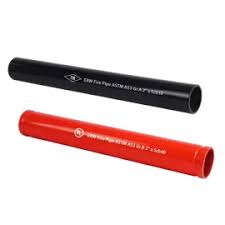
Modern buildings rely heavily on efficient fire suppression systems to meet safety regulations and protect occupants during emergencies. Fire pipes are manufactured using durable materials such as carbon steel, galvanized steel, stainless steel, and CPVC. Each material is selected based on environmental conditions, pressure requirements, and long-term durability. High-quality fire protection pipes ensure reliable water flow and consistent performance during critical situations.
The demand for advanced fire pipe systems has increased significantly due to stricter building safety codes and rising awareness regarding fire hazards. Commercial complexes, shopping malls, hospitals, warehouses, factories, and high-rise buildings all require properly installed fire pipeline systems to ensure compliance with fire safety standards. Without a dependable piping network, firefighting systems cannot operate effectively during emergencies.
Fire pipes are not only important for extinguishing fires but also for minimizing smoke spread and heat damage. Early fire suppression can prevent large-scale destruction and reduce financial losses for businesses and property owners. Because of these advantages, fire piping systems are now a standard requirement in modern infrastructure projects around the world.
Types of Fire Pipes and Their Applications
Different types of fire pipes are available for specific fire protection applications. Black steel fire pipes are among the most widely used options because of their strength, durability, and affordability. These pipes are commonly installed in fire sprinkler systems, industrial fire protection networks, and commercial buildings where high-pressure performance is necessary.
Galvanized fire pipes are another popular choice because they provide enhanced corrosion resistance. The zinc coating on galvanized steel pipes helps protect them from rust and moisture damage, making them suitable for humid environments and outdoor fire protection systems. These pipes are frequently used in industrial plants, warehouses, and underground fire water supply lines.
CPVC fire sprinkler pipes have become increasingly popular in residential and light commercial applications. CPVC pipes are lightweight, corrosion-resistant, and easier to install compared to traditional steel piping systems. They also offer smooth internal surfaces that improve water flow efficiency and reduce maintenance requirements over time.
Stainless steel fire pipes are commonly used in specialized environments where high corrosion resistance and durability are essential. These pipes are ideal for chemical facilities, marine applications, and industries exposed to harsh environmental conditions. Stainless steel piping systems provide excellent long-term reliability and require minimal maintenance.
The selection of the right fire pipe depends on several factors, including water pressure, temperature conditions, building size, and local fire safety regulations. Fire protection engineers carefully design piping systems to ensure adequate water distribution during emergency situations. Proper pipe sizing and installation are necessary to maintain effective fire suppression performance.
Modern fire protection systems also include advanced technologies such as automatic monitoring devices, pressure sensors, and leak detection systems. These innovations help improve the efficiency and reliability of fire pipelines while reducing maintenance costs for building owners.
Fire Pipe Installation and Maintenance
The installation process of fire pipes requires professional expertise and compliance with international safety standards. Certified fire protection contractors follow detailed engineering guidelines to ensure the piping network functions correctly during emergencies. Proper installation includes secure pipe connections, accurate alignment, pressure testing, and system inspection before operation.
Fire pipe systems are designed according to standards such as NFPA regulations and local building codes. These guidelines ensure that the fire suppression system delivers sufficient water flow and pressure to control fires effectively. Incorrect installation can result in leaks, low pressure, or system failure, which may create serious safety risks during emergencies.
Routine maintenance is equally important for keeping fire pipes in optimal condition. Over time, internal corrosion, mineral deposits, and environmental exposure can affect pipe performance. Regular inspections help identify potential problems before they become major issues that compromise fire safety.
Maintenance procedures often include pressure testing, pipe flushing, valve inspections, and leak detection. Technicians may also inspect sprinkler heads and fire hydrant connections to ensure the entire system operates efficiently. Buildings with poorly maintained fire pipes may face safety violations, insurance complications, and increased fire risks.
Technological improvements have made fire pipe maintenance more efficient than ever before. Smart monitoring systems can detect pressure drops, water leaks, and abnormal flow conditions in real time. These technologies help building managers respond quickly to maintenance needs and improve overall fire protection reliability.
The cost of installing a high-quality fire pipe system depends on factors such as building size, pipe material, and system complexity. Although installation costs can be significant, the long-term benefits greatly outweigh the investment. Reliable fire protection systems reduce repair expenses, minimize operational downtime, and provide peace of mind for property owners.
Fire Pipes and Building Safety Standards
Fire pipes are a fundamental part of building safety standards across the world. Governments and regulatory authorities require modern buildings to include fire suppression systems capable of controlling fires before they spread uncontrollably. These regulations are especially strict in high-occupancy buildings where rapid fire response is essential for protecting lives.
Commercial and industrial facilities often contain valuable equipment, inventory, and infrastructure that can suffer severe damage during fires. Fire pipe systems provide immediate water delivery to sprinkler heads and firefighting equipment, helping contain fires in their early stages. This rapid response can significantly reduce property damage and improve recovery after fire incidents.
Insurance companies also recognize the importance of effective fire protection systems. Buildings equipped with properly maintained fire pipes and sprinkler systems may qualify for lower insurance premiums because they present lower fire-related risks. Property owners benefit financially while also improving overall workplace safety.
Modern fire pipes are engineered to withstand high pressure, extreme temperatures, and demanding operating conditions. Manufacturers continue to develop stronger and more corrosion-resistant piping materials to improve system lifespan and reliability. As urban development continues to expand, advanced fire piping systems will remain an essential part of safe and sustainable construction practices.
Fire safety awareness has grown considerably in recent years, leading to increased investment in fire protection infrastructure. Construction companies, architects, and facility managers now prioritize high-quality fire pipe installations to meet evolving safety requirements. These systems not only protect buildings but also save lives during dangerous emergencies.
Conclusion
fire pipes are one of the most important components of modern fire protection systems. They provide reliable water distribution for sprinkler systems, hydrants, and firefighting equipment, helping control fires quickly and efficiently. Whether installed in residential buildings, industrial facilities, or commercial properties, fire pipes play a vital role in protecting lives and minimizing property damage.
From black steel and galvanized pipes to CPVC and stainless steel systems, different fire pipe materials offer unique benefits depending on the application. Proper installation, regular maintenance, and compliance with safety regulations are essential for ensuring long-term performance and reliability.

 Arabic
 French
 Spanish
 Portuguese
 Deutsch
 Turkish
 Dutch
Dutch
 Italiano
 Russian
 Romaian
 Portuguese (Brazil)
 Greek
Greek