


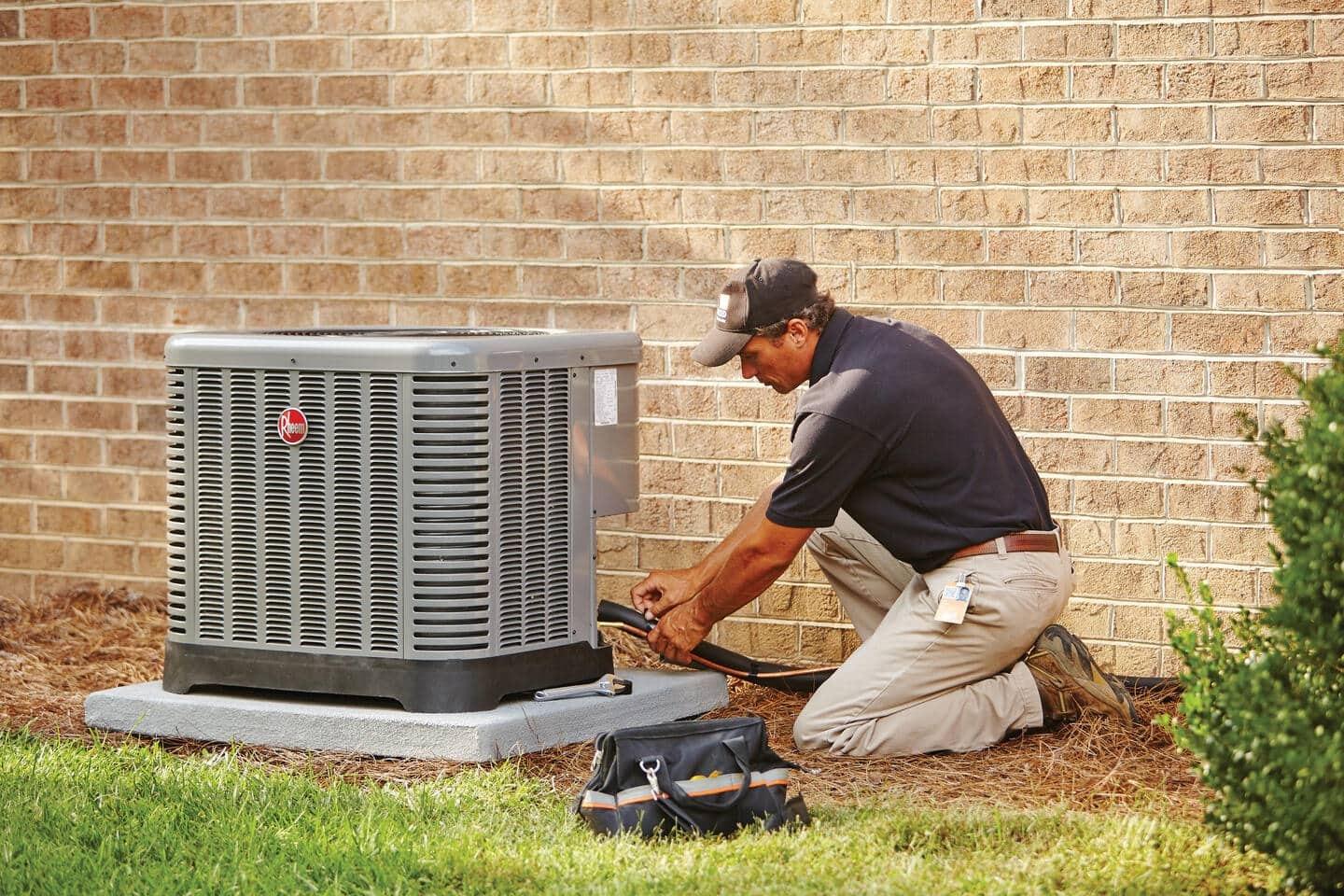
Nothing sets the mood for a cozy winter evening quite like the steady hum of a furnace, and nothing ruins it faster than that hum suddenly turning into a metallic screech or, worse, complete silence.
As someone who has spent years tinkering with thermostats and peering into the dark recesses of furnace cabinets, I know that "no heat" feeling all too well. It usually happens on the coldest night of the year, right when you’re settled in with a blanket. But before you panic and assume you’re looking at a multi-thousand-dollar replacement, take a breath.
Many common heating issues are surprisingly simple to diagnose and, in some cases, fix yourself. Here is my guide to the most frequent heating hiccups and how to handle them like a pro.
1. The Thermostat Ghost
It sounds silly, but you would be amazed how often "broken" heaters are actually just confused thermostats. If your home feels like a walk-in freezer despite the heat being "on," the thermostat is the first place I look.
-
The Check: Is the display blank? It might just need new batteries.
-
The Setting: Double-check that it’s actually set to "Heat" and not "Cool" or "Auto." If someone in the house was fiddling with it, they might have bumped the temperature setting below the current room temperature.
-
The Fix: Replace the batteries and ensure the set point is at least 5 degrees above the current room temperature to trigger a cycle.
2. The Air Filter Clog
If your furnace is running but the air coming out of the vents feels weak or barely lukewarm, your air filter is likely the culprit. A dirty filter restricts airflow, forcing the system to work twice as hard to push air through. This doesn't just make you cold; it can cause the heat exchanger to overheat and trigger a safety shut-off.
-
The Symptom: Low airflow or the furnace "short-cycling" (turning on and off rapidly).
-
The Fix: Slide out your filter. If you can’t see light through it, it’s done. Swap it for a fresh one. I recommend checking these every 30 to 90 days, especially if you have pets.
3. Igniter and Pilot Light Woes
If you have an older gas furnace, the pilot light might have simply blown out due to a draft. On newer systems, you likely have an electronic hot surface igniter. These components are the "match" that starts the fire.
- The Symptom: You hear the fan kick on, but you never hear the "whoosh" of the burners igniting.
- The Fix: For old units, follow the manufacturer's instructions on the furnace door to safely relight the pilot. For electronic igniters, if you see a cracked element or no glow during startup, the part likely needs replacement.
When to Call in the Pros
While I’m a big fan of DIY troubleshooting, there is a limit to what the average homeowner should handle, especially when it involves high-voltage electricity or natural gas lines. If you’ve checked the filter and the thermostat and you’re still shivering, it might be time to look for professional HVAC services in Denver or your local area to ensure your system is venting carbon monoxide correctly and operating at peak efficiency. Professionals have the diagnostic tools to spot a failing blower motor or a cracked heat exchanger that the naked eye might miss.
4. Tripped Breakers and Blown Fuses
Sometimes the problem isn't the furnace at all, it's the power supply. A power surge or an overworked motor can trip the circuit breaker.
- The Check: Head to your electrical panel. Look for a switch that isn't lined up with the others or shows a red indicator.
- The Fix: Flip the breaker all the way to "Off" and then back to "On." If it trips again immediately, stop. That’s a sign of a short circuit or a serious electrical fault that needs an expert.
5. Noisy Pipes and Rattling Vents
Heating systems shouldn't sound like a construction site. If you hear banging, whistling, or rattling, the system is trying to tell you something.
| Sound | Potential Issue | Simple Fix |
| Whistling | High static pressure or clogged filter | Replace the air filter immediately. |
| Banging | Delayed ignition or expanding metal ducts | Clean the burners or check duct supports. |
| Rattling | Loose access panels or debris | Tighten the screws on the furnace cabinet. |
6. Blocked Vents and Returns
We’ve all done it, pushed a couch over a floor vent or hung a long curtain over a return air grille. This creates an imbalance in the system’s pressure. Your heater needs to "breathe" in cold air to heat it up and "exhale" warm air back into the room.
-
The Fix: Walk through every room in your house. Ensure that all supply vents are open (even in rooms you don't use) and that no furniture is blocking the large return grilles.
Final Thoughts
Maintaining a warm home doesn't always require a master's degree in mechanical engineering. By staying on top of your air filters, keeping your thermostat updated, and listening for unusual noises, you can head off most major repairs before they start.
However, remember that gas and fire are nothing to play with. If you smell "rotten eggs" (a sign of a gas leak) or see soot around your furnace, turn the system off immediately and call a technician. A little bit of preventative care goes a long way toward keeping your winters bright, warm, and, most importantly, stress-free.

 English
 Arabic
 French
 Spanish
 Portuguese
 Deutsch
 Turkish
 Dutch
Dutch
 Russian
 Romaian
 Portuguese (Brazil)
 Greek
Greek