


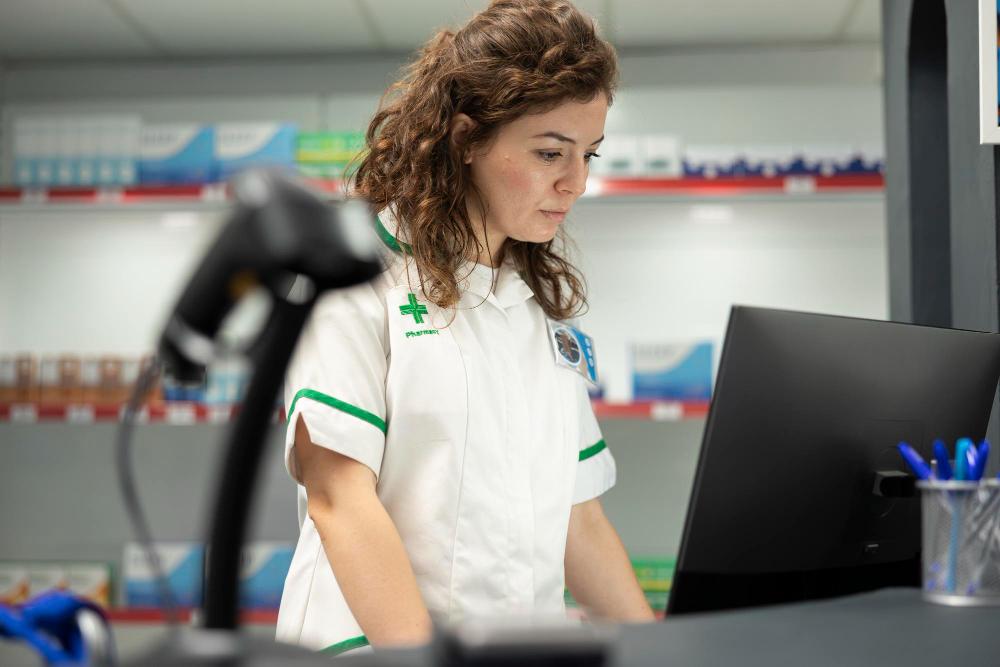
Healthcare jobs are changing fast. Demand is rising across many support roles, and hospitals now rely heavily on trained allied health professionals. In 2026, allied healthcare roles will become even more important. Aging populations, long-term illnesses, and hospital staff shortages are driving this need. At the same time, new tools and systems are changing how care is delivered.
This guide looks at the top allied healthcare careers worth considering. It focuses on physical therapist assistants, pharmacists, and telemetry nurses, and what makes each role important in today’s healthcare system.
We will also look at pharmacists, telemetry nurses, and the physical therapist assistant career overview and opportunities, and how these paths are shaping up for those entering allied healthcare in 2026.
Why Allied Healthcare Careers Matter in 2026
Allied health workers support doctors and nurses. They help patients recover, manage medicine, and monitor health conditions.
These roles are not just support jobs. They are central to patient care. Without them, hospitals cannot run smoothly.
Several factors are driving demand:
- More people need long-term care
- Hospitals face staff shortages
- Technology is expanding healthcare services
- Outpatient care is growing
Because of this, job openings are expected to stay strong in 2026. Many roles also offer flexible work settings like clinics, hospitals, and rehab centers.
Physical Therapist Assistant (PTA) Career Path
Physical therapist assistants play an important role in recovery care. They work under licensed physical therapists. Their main focus is helping patients regain movement and strength.
PTAs work with people recovering from injuries, surgeries, or illness. They guide exercises and track progress over time.
Key responsibilities include:
- Assisting patients during therapy sessions
- Teaching safe movement and exercise steps
- Recording patient progress
- Using therapy equipment correctly
- Supporting pain management plans
This role is very active. It requires patience and strong communication skills. PTAs spend a lot of time directly with patients.
Training is usually shorter than full medical degrees. Most programs take about two years. Clinical practice is also part of the training.
Skills needed for PTAs:
- Clear communication
- Physical stamina
- Attention to detail
- Empathy and care focus
- Team coordination
Job growth in this area is steady. Many clinics and hospitals need more rehab staff. Sports centers and elderly care facilities also hire PTAs.
Pay can vary by region and experience. However, demand keeps the career stable and rewarding for many professionals.
Pharmacist Career in Modern Healthcare
Pharmacists do much more than give out medicine. They help ensure safe and correct use of drugs. They also guide patients on treatment plans. In 2026, pharmacists will play a stronger role in patient care teams. They often work with doctors to improve treatment outcomes.
They also support chronic disease management. This includes diabetes, blood pressure, and heart conditions.
Common pharmacist duties:
- Reviewing prescriptions for safety
- Advising patients on medication use
- Checking drug interactions
- Managing pharmacy operations
- Supporting vaccination programs
Pharmacists work in hospitals, retail pharmacies, and clinics. Some also work in research or public health.
This career needs a pharmacy degree and licensing exams. It takes longer to qualify, but it offers strong long-term benefits.
Important skills for pharmacists:
- Strong focus and accuracy
- Good communication with patients
- Knowledge of medicines
- Problem-solving ability
- Responsibility under pressure
Pharmacists often act as a link between patients and doctors. Their guidance helps reduce medication errors and improve outcomes.
The role is becoming more patient-focused each year. This makes it a respected and stable career choice.
Telemetry Nurse Role in Patient Monitoring
Telemetry nurses work with patients who need continuous heart and vital sign monitoring. They are common in cardiac units and critical care settings. They watch real-time data from machines. This helps detect problems early and respond quickly.
These nurses care for patients with heart conditions, surgery recovery, or serious illness.
Main responsibilities:
- Monitoring heart rhythms and vital signs
- Responding to emergency alerts
- Recording patient data
- Working with doctors during treatment changes
- Supporting patient recovery plans
Telemetry nursing is fast-paced. It requires focus and quick decision-making. No two shifts are the same.
Skills needed:
- Strong attention to detail
- Fast response under pressure
- Basic ECG reading knowledge
- Team communication
- Emotional control in stressful moments
Training includes nursing education and hospital experience. Many nurses move into telemetry after general nursing work. This role is growing as heart disease cases increase worldwide. Hospitals need trained staff to monitor high-risk patients closely.
Telemetry nurses play a key part in saving lives. Their work often makes a direct impact on patient outcomes.
Key Skills for All Allied Healthcare Careers
While each role is different, some skills are shared across all allied health careers.
These include:
- Communication with patients and teams
- Basic medical knowledge
- Time management
- Care and responsibility
- Ability to follow procedures
Technology skills are also becoming more important. Digital health records and monitoring tools are now standard in many hospitals.
Soft skills matter just as much. Patients often remember how they were treated, not just the treatment itself.
Future Trends in Allied Healthcare
Healthcare is changing in several ways. These changes affect job roles and daily work.
One major trend is digital healthcare tools. Many tasks are now supported by software systems. This helps improve accuracy and speed.
Another trend is home-based care. More patients prefer treatment at home. This increases demand for mobile healthcare workers.
Telehealth is also growing. Some patient consultations now happen online. Allied health workers support these systems by managing data and follow-ups.
There is also a strong focus on preventive care. Healthcare systems now aim to stop illness before it becomes serious.
Because of these changes, allied health careers are expected to stay strong in the coming years.
Choosing the Right Path
Each healthcare career offers something different.
PTAs focus on movement and recovery. Pharmacists focus on safe medicine use. Telemetry nurses focus on patient monitoring in critical conditions.
Your choice depends on your interest and work style. Some prefer active patient interaction. Others prefer detailed medical or technical tasks.
Training time is also a factor. PTA roles require shorter study periods. Pharmacy takes longer but offers wider responsibilities.
All paths lead to meaningful work. Each role supports patient care in a direct way.
Conclusion
Allied healthcare careers continue to grow in importance. They support hospitals, clinics, and patients every day. In 2026, demand for skilled workers will remain strong. PTA professionals, pharmacists, and telemetry nurses will all play key roles in care systems.
These careers offer stability, purpose, and long-term growth. They also allow professionals to work closely with patients in different settings.
To explore more healthcare career options and support paths, visit the HealthCareTalentLink platform, where you can find guidance, updates, and resources to help you choose the right allied healthcare career path.

 English
 Arabic
 French
 Spanish
 Deutsch
 Turkish
 Dutch
Dutch
 Italiano
 Russian
 Romaian
 Portuguese (Brazil)
 Greek
Greek