


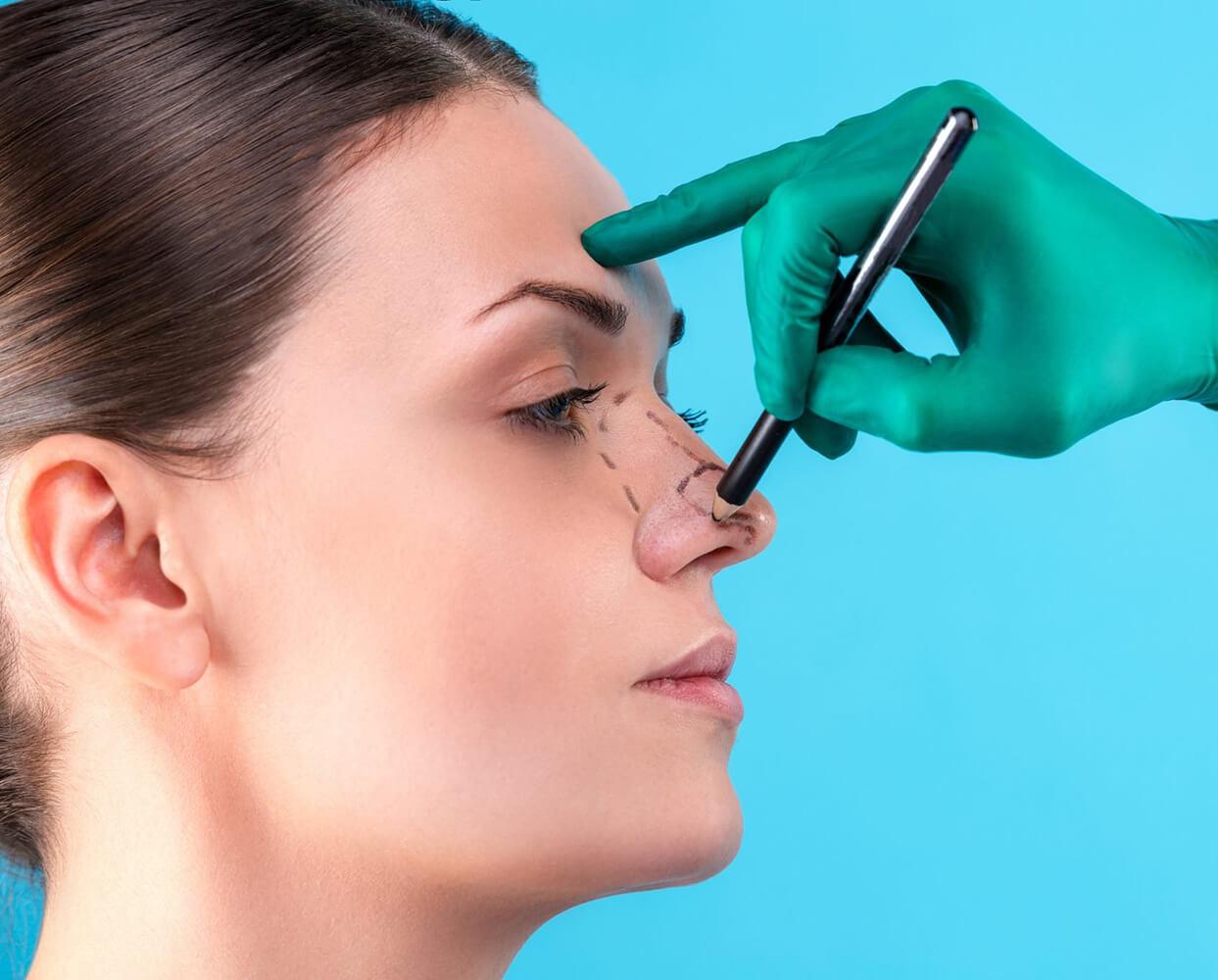
Cartilage Grafting in Nasal Reshaping Procedures
Cartilage grafting is an important technique used in nasal reshaping procedures, especially rhinoplasty. It involves taking small pieces of cartilage from one part of the body and using them to rebuild, support, or refine the structure of the nose. This method is essential when the nose needs additional strength, correction, or reshaping that cannot be achieved by simply removing or adjusting existing tissue. Rhinoplasty in Riyadh is a popular cosmetic procedure chosen by many individuals seeking to enhance facial harmony and improve nasal function.
What Is Cartilage Grafting?
Cartilage grafting refers to the surgical process of harvesting cartilage and placing it into the nose to improve shape or function. Cartilage is a flexible, durable tissue found in areas such as the septum (inside the nose), the ear, and the rib.
Because cartilage is naturally strong yet flexible, it is ideal for reconstructing nasal structures. It helps maintain shape, improve breathing, and provide long-term stability to the nose after reshaping.
Why Cartilage Grafting Is Needed
Cartilage grafting is used when the nose requires extra support or reconstruction. In many rhinoplasty cases, especially complex ones, the existing nasal structure may not be strong enough on its own.
Common reasons for cartilage grafting include:
- Weak or collapsed nasal structure
- Previous rhinoplasty that removed too much cartilage
- Deviated or damaged septum
- Need for better nasal tip support
- Correction of breathing difficulties
- Reconstruction after injury or trauma
In revision rhinoplasty, cartilage grafting is often essential because natural nasal support may already be reduced.
Sources of Cartilage for Grafting
Surgeons can harvest cartilage from different parts of the body depending on how much is needed and the complexity of the procedure.
1. Septal Cartilage
The septum is the most common and preferred source. It is located inside the nose and provides a straight, strong piece of cartilage.
Advantages:
- Already part of the nose
- Easy to access during surgery
- Minimal additional scarring
However, the amount available may be limited, especially if it has been used in previous surgery.
2. Ear Cartilage
Ear cartilage is another common source. It is soft, flexible, and shaped naturally in curves, making it useful for refining nasal contours.
Advantages:
- Good for shaping the nasal tip
- Hidden donor site scar behind the ear
- Flexible and easy to sculpt
It is often used for subtle refinements rather than major structural support.
3. Rib Cartilage
Rib cartilage is used in more complex or reconstructive cases where a large amount of support is needed.
Advantages:
- Strong and abundant material
- Suitable for major reconstruction
- Ideal for revision rhinoplasty
However, it requires a separate surgical site, which may involve more recovery time.
How Cartilage Grafting Is Used in the Nose
Once harvested, the cartilage is carefully shaped and placed in specific areas of the nose depending on the surgical goals.
It may be used to:
- Strengthen the nasal bridge
- Support a drooping nasal tip
- Straighten a crooked structure
- Improve nasal airflow by opening internal passages
- Rebuild areas affected by trauma or previous surgery
The graft is secured in place so it integrates with the surrounding tissue during healing.
Types of Cartilage Grafts
There are several different ways cartilage is used in nasal reshaping:
Structural Grafts
These provide support and help maintain the overall shape of the nose.
Spreader Grafts
These are placed inside the nose to improve airflow and correct internal collapse.
Tip Grafts
Used to refine and shape the nasal tip for better definition.
Onlay Grafts
Placed on the surface to smooth irregularities or enhance contour.
Each type serves a specific purpose depending on the patient’s needs.
Benefits of Cartilage Grafting
Cartilage grafting offers several important benefits in nasal reshaping procedures:
- Improves structural stability of the nose
- Enhances both function and appearance
- Reduces risk of collapse after surgery
- Provides long-lasting results
- Allows for more precise shaping
It is especially valuable in complex or revision rhinoplasty cases where natural support is insufficient.
Recovery After Cartilage Grafting
Recovery depends on the extent of the surgery and the donor site used. Patients may experience:
- Swelling and bruising around the nose
- Mild discomfort at donor site (ear or chest)
- Temporary stiffness or tightness in the nose
Healing typically follows a similar timeline to standard rhinoplasty, with visible improvement in a few weeks and final results developing over several months.
Conclusion
Cartilage grafting is a key technique in nasal reshaping procedures that helps restore structure, improve function, and enhance appearance. By using natural cartilage from the septum, ear, or rib, surgeons can rebuild or reinforce the nose for more stable and refined results. Whether used in primary or revision rhinoplasty, cartilage grafting plays a crucial role in achieving long-lasting, balanced, and functional nasal outcomes.

 English
 Arabic
 French
 Spanish
 Portuguese
 Deutsch
 Turkish
 Italiano
 Russian
 Romaian
 Portuguese (Brazil)
 Greek
Greek