


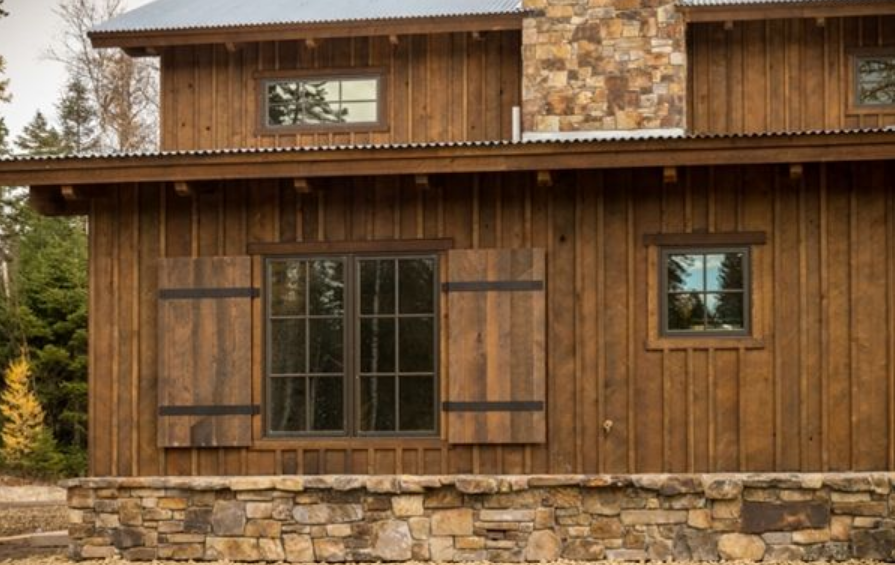
Maintaining the integrity of exterior wood panels is a constant battle against the elements, especially in regions where intense sunlight and high humidity are the norms. For homeowners, seeing cracks, splits, or flaking paint on their siding isn't just an aesthetic issue—it’s a warning sign that the underlying structure is vulnerable to moisture and rot. Understanding the science behind wood movement and protective coatings is essential for long-term preservation.
The Dynamics of Exterior Wood Exposure
Exterior wood is a biological material that remains "alive" in the sense that it reacts to its environment. When wood is exposed to the sun’s UV rays, the lignin—the glue that holds wood fibers together—begins to break down. This process, known as photo-degradation, makes the surface brittle. Simultaneously, fluctuations in moisture levels cause the wood to expand and contract.
When you invest in Wood Siding Painting in Fort Myers, FL, you are essentially creating a flexible shield that moves with the wood. If the coating is too rigid or has lost its elasticity due to age, it cannot keep up with this natural expansion and contraction, leading to the visible "alligatoring" or long vertical cracks we often see on older homes.
Moisture: The Primary Enemy
Cracking and peeling are rarely just surface-level problems; they are usually symptoms of moisture entrapment. If water penetrates the wood—either through a small crack in the paint or from the back of the panel—it will eventually try to escape as vapor when the sun heats the wood.
As this vapor pushes outward, it creates pressure behind the paint film. This pressure results in bubbling or blistering, which eventually pops and leads to peeling. Proper exterior wood preservation requires a strategy that prevents water from entering the grain while allowing the wood to "breathe" slightly. Ensuring that end grains and joints are properly sealed is a critical step in this process.
Surface Preparation: What You Should Know
The secret to a finish that lasts a decade versus one that fails in two years lies almost entirely in the preparation phase. You cannot simply paint over weathered or peeling wood and expect a professional result.
-
Pressure Washing and Cleaning: Before any scraping begins, the surface must be cleared of dirt, mildew, and chalking. Mildew is a major cause of coating failure in humid climates, as it prevents the new paint from bonding to the substrate.
-
Scraping and Sanding: All loose and failing paint must be removed. Sanding the "feathered edges" where the old paint remains ensures a smooth transition and prevents the new coat from lifting at the edges of the old one.
-
Wood Filling and Repair: Deep cracks or "checks" in the wood should be filled with high-quality wood filler or epoxy. If the wood is soft to the touch, it indicates rot, and the panel should be replaced rather than painted.
The Role of Priming in Wood Protection
Many people overlook the importance of a dedicated primer, opting instead for "self-priming" paints. While technology has improved, exterior wood panels—particularly resinous woods like cedar or pine—benefit significantly from a specialty wood primer.
A high-quality primer acts as a bridge, bonding tightly to the wood fibers while providing a uniform surface for the topcoat. In the context of Wood Siding Painting in Fort Myers, FL, using a primer that offers tannin-blocking properties is vital to prevent brown or yellow stains from bleeding through the final finish. Fancy Painters LLC emphasizes that a robust priming stage is the foundation of any weather-resistant exterior finish.
Selecting the Right Coating Systems
When choosing your topcoat, the choice usually boils down to solid stains versus 100% acrylic latex paints.
-
Solid Color Stains: These behave much like paint but have a thinner film build. They are excellent for wood because they allow some moisture vapor to escape and don't peel as aggressively as thick paint.
-
High-Build Acrylic Latex: For maximum UV protection and color retention, acrylic latex is the gold standard. It remains flexible over time, which is essential for resisting the cracking caused by thermal expansion.
Using UV-resistant wood coatings is particularly important in Florida, where the sun can bleach the color out of a home in just a few seasons. Darker colors tend to absorb more heat, leading to more significant wood movement, so many experts recommend lighter "coastal" palettes to reduce thermal stress on the panels.
Addressing the Impact of Local Climate
Local environmental factors play a huge role in how long your exterior wood remains intact. In coastal and subtropical areas, salt spray and high humidity levels accelerate the breakdown of traditional oil-based paints, which can become brittle and prone to mildew. Modern water-borne formulas have largely surpassed oil-based products in these environments because of their superior breathability and resistance to yellowing.
Ongoing Maintenance and Inspection
Prevention doesn't end once the final coat of paint is dry. Homeowners should perform a "perimeter check" at least twice a year. Look specifically at the lower sections of the wood panels where water might splash up from the ground or gutters.
If you notice small hairline cracks, addressing them immediately with a touch-up can prevent a full-scale peeling disaster. Keeping gutters clean and ensuring that sprinklers aren't constantly hitting the wood siding will also extend the life of your professional exterior paint job.
Why Professional Application Matters
While DIY projects are popular, the nuances of residential wood siding maintenance often require professional-grade equipment and expertise. Professionals understand the "moisture content" of the wood—if you paint wood that is too damp, the paint is guaranteed to fail.
By utilizing the right techniques for protective wood sealing and high-quality materials, you ensure that your home remains a source of pride rather than a constant maintenance burden. Protecting your investment starts with understanding the needs of the wood and choosing the right team to execute the vision.

 English
 Arabic
 French
 Spanish
 Deutsch
 Turkish
 Dutch
Dutch
 Italiano
 Russian
 Romaian
 Portuguese (Brazil)
 Greek
Greek