


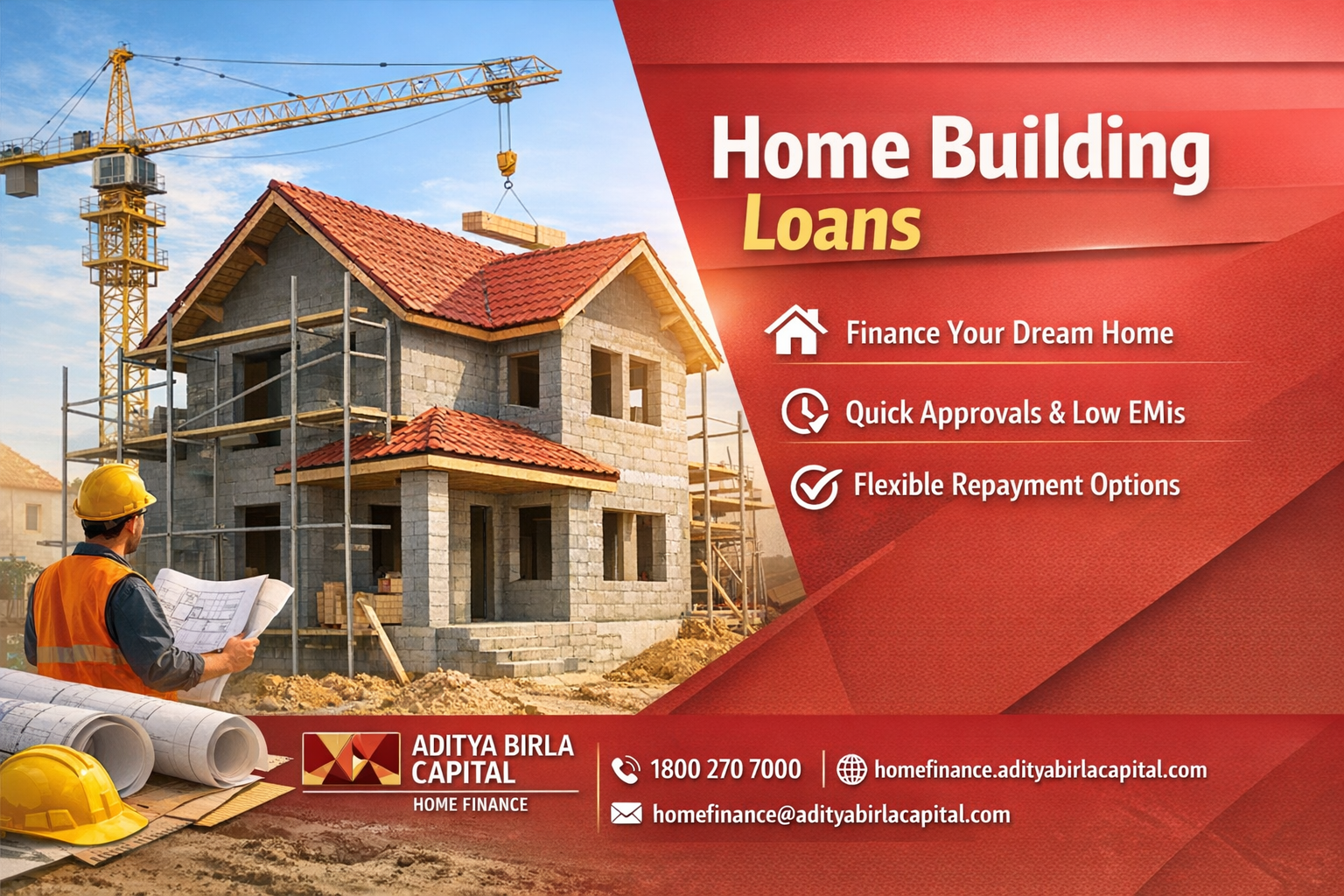
Building a home from the ground up is an exciting journey. It allows homeowners to design their living space according to their needs and lifestyle. However, constructing a house also requires careful financial planning. This is where home building loans play an important role. These loans are specifically designed to fund the construction of residential property.
Before applying for a loan, it is important to compare various options available in the market. Looking at loan terms, interest rates, repayment flexibility, and eligibility criteria can help borrowers choose the right financing option for their project.
What Are Home Building Loans?
Home building loans are financial products offered by banks and financial institutions to support the construction of a house on a plot owned by the borrower. Unlike regular home loans that are used to purchase ready or under-construction property, these loans are disbursed in stages according to the progress of construction.
Lenders typically release funds in multiple installments as the building process moves forward. For example, funds may be released after the completion of the foundation, structure, roofing, and finishing stages. This structured disbursement helps ensure that the loan amount is used only for construction purposes.
Key Factors to Compare Before Choosing a Loan
When evaluating home building loans, borrowers should focus on several important aspects to ensure the financing aligns with their long term financial plans.
1. Interest Rates
Interest rates significantly impact the total cost of the loan. Some lenders offer fixed interest rates while others provide floating rates that change according to market conditions. Borrowers should compare these options and choose one that suits their financial comfort.
2. Loan Tenure
The repayment period for construction loans usually ranges from 10 to 30 years. A longer tenure reduces the monthly installment but increases the total interest paid over time. A shorter tenure increases the EMI but reduces overall interest cost.
3. Loan Amount Eligibility
Different lenders offer different loan amounts based on the applicant’s income, credit profile, and the estimated cost of construction. It is important to understand the maximum amount you can borrow and whether it is sufficient for the planned project.
4. Disbursement Structure
Construction loans are usually disbursed in phases. Comparing how lenders release funds and the documentation required at each stage can help ensure smoother project execution.
5. Processing Fees and Charges
Apart from interest rates, borrowers should also review processing fees, administrative charges, and prepayment conditions. These additional costs can influence the total expense of the loan.
Understanding Loan Terms for Construction Financing
The terms and conditions associated with home building loans are slightly different from those of traditional housing loans. Borrowers should pay attention to the following details.
Construction Timeline
Most lenders require the construction to be completed within a specified time frame, often around three years. Delays beyond the approved period may require additional approvals or revised loan terms.
Property Ownership Requirements
Borrowers usually need to own the plot where the construction will take place. Lenders verify ownership documents before approving the loan.
Stage Based Inspections
Financial institutions may conduct site inspections during different stages of construction to verify progress before releasing the next installment.
Understanding these requirements in advance helps avoid delays and ensures the construction process remains on schedule.
Benefits of Comparing Loan Options
Taking time to compare home building loans can provide several advantages for borrowers.
First, it helps identify competitive interest rates that can reduce long term repayment costs. Even a small difference in interest rate can significantly impact the total interest paid over the years.
Second, comparing lenders allows borrowers to find flexible repayment structures. Some lenders offer options like step up EMIs, prepayment flexibility, or balance transfer opportunities that can make loan management easier.
Third, evaluating loan terms helps borrowers avoid hidden charges or restrictive conditions that could affect their financial plans later.
Tips for Choosing the Right Loan
Selecting the right financing option requires careful planning and research. Borrowers should start by evaluating their monthly income, expenses, and repayment capacity. Maintaining a good credit score can also improve loan eligibility and help secure better interest rates.
It is also helpful to estimate the complete cost of construction, including materials, labor, permits, and contingency funds. Having a clear budget ensures the loan amount adequately covers the project requirements.
Finally, reviewing the reputation and customer service of the lender can provide additional confidence during the loan process.
Final Thoughts
Building a home is a major life milestone, and proper financial planning is essential for making the process smooth and manageable. By carefully reviewing loan terms, comparing interest rates, and understanding disbursement structures, borrowers can select the most suitable financing option for their needs.
Exploring and comparing home building loans allows homeowners to move forward with construction while maintaining financial stability throughout the journey.

 English
 Arabic
 French
 Spanish
 Portuguese
 Deutsch
 Turkish
 Dutch
Dutch
 Russian
 Romaian
 Portuguese (Brazil)
 Greek
Greek