



Remodeling your kitchen is exciting, but let’s be honest, it can also feel overwhelming. There are so many decisions to make, from layout changes to cabinet finishes and lighting fixtures. If you jump in without a clear plan, things can quickly become stressful and expensive.
That’s why this step-by-step kitchen remodeling process guide is designed to walk you through every stage, from the initial idea to the final reveal. At JPS Remodeling, we believe a smooth renovation starts with proper planning and clear direction.
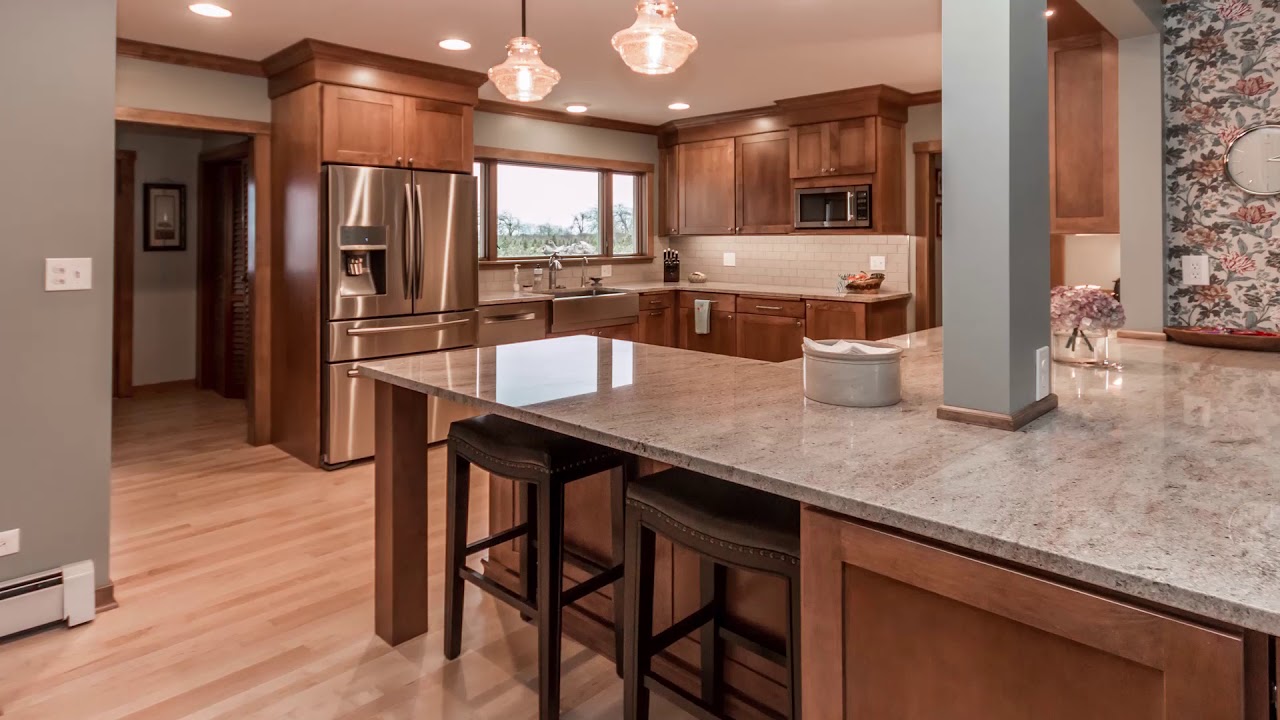
Define Your Goals and Vision
Before touching anything, ask yourself what you truly want from your kitchen remodel. Are you looking for more storage? Better lighting? A modern design? Improved functionality?
Your goals will shape every decision moving forward. Take time to gather inspiration from home design websites, magazines, or social media platforms. Save photos that reflect your preferred layout, color scheme, and overall style.
Defining your vision early prevents confusion later and keeps your project focused.
Set a Realistic Budget
Budget planning is one of the most important stages in the kitchen remodeling process. Determine how much you are comfortable spending and break it into categories such as cabinets, countertops, appliances, flooring, and labor.
It is smart to reserve an additional 10 to 20 percent for unexpected expenses. During demolition, hidden plumbing or electrical issues can appear. A contingency fund keeps your project on track without financial stress.
Create a Functional Kitchen Layout
The layout determines how your kitchen works daily. The classic work triangle between the sink, stove, and refrigerator remains important, but modern kitchens often focus on workflow zones.
Think about traffic flow. Make sure there is enough space to open appliances and cabinets comfortably. If possible, maintain your existing plumbing locations to reduce costs. Moving sinks or gas lines significantly increases expenses.
A well-designed layout improves both efficiency and comfort.
Choose Materials and Finishes
Once your layout is finalized, it’s time to select materials. Cabinets, countertops, flooring, backsplash, and lighting fixtures all need to complement each other.
Neutral tones remain popular because they are timeless and versatile. Quartz countertops are durable and stylish. Luxury vinyl plank flooring offers water resistance and affordability. Subway tile backsplashes provide a clean and modern appearance.
Choosing materials early ensures accurate cost estimates and avoids project delays.
Hire Professionals or Finalize Contractors
If you are not handling the remodel yourself, this is the stage where you hire licensed contractors. Compare quotes carefully and check previous work samples.
Clear communication is essential. Make sure timelines, payment schedules, and the scope of work are documented. Professional contractors help prevent costly mistakes and ensure code compliance.
Obtain Necessary Permits
Depending on the scope of your remodel, permits may be required for plumbing, electrical, or structural work. Skipping permits can lead to legal complications and issues during resale.
Your contractor typically handles this process, but always confirm that required approvals are secured before work begins.
Following proper regulations protects both your home and your investment.
Demolition Phase
Now the physical work begins. Old cabinets, countertops, flooring, and fixtures are removed during demolition.
This phase can be messy and noisy. Protect nearby rooms from dust and debris. If you are living in the home during remodeling, consider setting up a temporary kitchen area.
Demolition usually takes a few days, depending on project size.
Structural and Utility Updates
After demolition, plumbing, electrical wiring, and structural adjustments are completed. This step ensures your kitchen meets safety standards and supports new appliances or layout changes.
If walls are being removed or new lighting is added, this is when those modifications happen. Inspections may occur before moving to the next phase.
Although this stage is less visually exciting, it is critical for long-term durability.
Install Cabinets and Countertops
Cabinet installation typically comes first because they determine countertop measurements. Once cabinets are secured, countertops are measured, fabricated, and installed.
This phase dramatically transforms the appearance of your kitchen. Suddenly, the space begins to resemble your original vision.
Precision during installation ensures alignment, durability, and professional finishing.
Flooring and Backsplash Installation
Flooring is installed either before or after cabinets, depending on project planning. Tile, vinyl, or hardwood is carefully laid to ensure long-term durability.
Backsplash installation follows countertop placement. This detail enhances visual appeal and protects walls from moisture and stains.
These finishing surfaces tie the entire design together.
Install Appliances and Fixtures
Once surfaces are complete, appliances are delivered and installed. Faucets, sinks, lighting fixtures, and cabinet hardware are added at this stage.
This is where your kitchen becomes fully functional again. Modern lighting and updated fixtures often provide the final polished look.
Testing all appliances and plumbing connections ensures everything operates correctly.
Final Inspection and Cleanup
The final step in this step-by-step kitchen remodeling process guide involves inspections and detailed cleanup. Contractors review workmanship, ensure everything meets building codes, and address any minor adjustments.
A thorough cleaning removes dust and construction debris, leaving your kitchen ready for use.
Take time to walk through the space carefully. Confirm that cabinets align properly, appliances function correctly, and finishes meet your expectations.
How Long Does the Kitchen Remodeling Process Take?
In 2026, a standard kitchen remodel typically takes between six and twelve weeks. Smaller cosmetic renovations may take four weeks, while full structural remodels can extend beyond three months.
Timelines depend on project complexity, material availability, and contractor scheduling. Planning ahead minimizes delays.
Final Thoughts
A kitchen renovation does not have to feel chaotic. When you follow a clear step-by-step kitchen remodeling process guide, every stage becomes manageable and predictable.
From defining your goals to final inspection, each step plays a vital role in creating a functional and beautiful kitchen. Careful planning, realistic budgeting, and professional support ensure smooth execution and long-term satisfaction.
At JPS Remodeling, we believe successful renovations begin with knowledge and preparation. When you understand the process, you gain confidence and control over your investment.
Your dream kitchen is not built in a single day. It is built step by step, with thoughtful decisions guiding every stage of the journey.

 Arabic
 French
 Spanish
 Portuguese
 Deutsch
 Turkish
 Dutch
Dutch
 Italiano
 Russian
 Romaian
 Portuguese (Brazil)
 Greek
Greek