


When most people hear the phrase Ultra Light, they immediately think about reducing backpack weight. I used to think that way too. On my early outdoor trips, my main goal was to carry less because my shoulders ached and every step felt slow. Over time, I realized that Ultra Light gear offers far more than lighter loads. It reshapes how you move, how you prepare, and how confident and secure you feel outdoors. For outdoor enthusiasts tackling deserts, mountains, and long-distance routes, Ultra Light equipment has shifted from a luxury to a practical necessity.
Using the PAS framework, this article explores the core challenges outdoor enthusiasts face, how those challenges intensify with traditional gear, and how Ultra Light solutions deliver benefits that go well beyond simple weight reduction.
The Real Problem: Heavy Gear Limits Outdoor Experiences
The main challenge for many outdoor enthusiasts is not enthusiasm or interest. It is the physical and mental exhaustion caused by heavy equipment. Conventional gear places extra strain on joints, slows reaction time, and often shortens the length of trips. I remember hauling a bulky tent and traditional lighting system on a short camping trip and realizing midway that my focus was on managing equipment instead of enjoying the landscape.
From a business standpoint, Saudi-based tour operators and adventure service providers face the same burden. Heavy equipment raises transportation costs, slows setup, and limits how many clients can be served daily. This is where Ultra Light gear proves its value beyond personal comfort.
In Saudi Arabia, this issue becomes even more critical. The country’s outdoor scene has expanded rapidly as Vision 2030 promotes domestic tourism, hiking, and adventure activities. With domestic trips exceeding 70 million in recent years, camping and desert excursions have surged in popularity. Long travel distances, extreme heat, and minimal shade mean heavy gear depletes energy far faster than in cooler environments.
Agitating the Issue: Fatigue, Safety Risks, and Missed Opportunities
Heavy gear does more than reduce comfort. It directly increases safety risks. Research published in the American Journal of Sports Medicine indicates that carrying loads exceeding 20 percent of body weight significantly increases the risk of knee and ankle injuries. When I pushed myself with excessive weight, I noticed slower reactions and unstable footing, especially on rough terrain.
In areas like the Empty Quarter or the rocky trails near AlUla, fatigue can turn small missteps into serious incidents. Local rescue teams frequently report dehydration, heat exhaustion, and delayed response times. Heavy lighting systems add another layer of difficulty. I have seen groups struggle to install traditional lighting after sunset, draining energy when visibility and efficiency matter most.
For businesses, the consequences are financial. Transporting heavy equipment leads to higher fuel expenses, while delayed setups impact customer satisfaction. Event organizers in Riyadh and Jeddah increasingly demand efficient solutions because clients expect seamless execution. Without Ultra Light options, businesses risk losing ground to faster, more agile competitors.
The Solution Overview: Why Ultra Light Is a Smart Upgrade
Ultra Light gear directly addresses these challenges. By minimizing overall load, it enhances mobility, reduces injury risk, and improves operational efficiency. Switching to Ultra Light equipment completely changed how I plan trips. I pack with intention, move with confidence, and stay prepared for sudden changes in weather or terrain.
In Saudi Arabia, Ultra Light solutions are gaining traction not just among hikers but also among logistics teams, outdoor event planners, and mobile service providers. Lightweight shelters, cooking systems, and lighting solutions enable faster deployment with fewer people. This approach is not about sacrificing quality. It is about smarter design and better materials delivering real-world advantages.
Subtopic 1: Ultra Light and Energy Efficiency in Harsh Climates
Energy conservation is one of the biggest benefits of Ultra Light gear. In hot environments like Saudi Arabia, every additional kilogram increases physical stress. World Health Organization studies highlight that combining heavy physical workloads with high temperatures accelerates dehydration and fatigue.
After switching to an Ultra Light backpack and shelter, I immediately noticed longer active periods during the day. With less energy spent carrying gear, I could focus more on hydration, route planning, and the overall experience. For desert trekkers, this difference can be critical to safety.
Adventure companies operating in regions such as Tabuk and Asir have reported smoother operations after adopting Ultra Light systems. Reduced gear weight allows guides to carry additional water and emergency equipment without exceeding safe limits.
Subtopic 2: Faster Setup and Mobility for Outdoor and Business Use
Speed is another often overlooked advantage of Ultra Light equipment. Lightweight systems are usually designed for quick and simple assembly, which is invaluable when daylight is limited or conditions change unexpectedly.
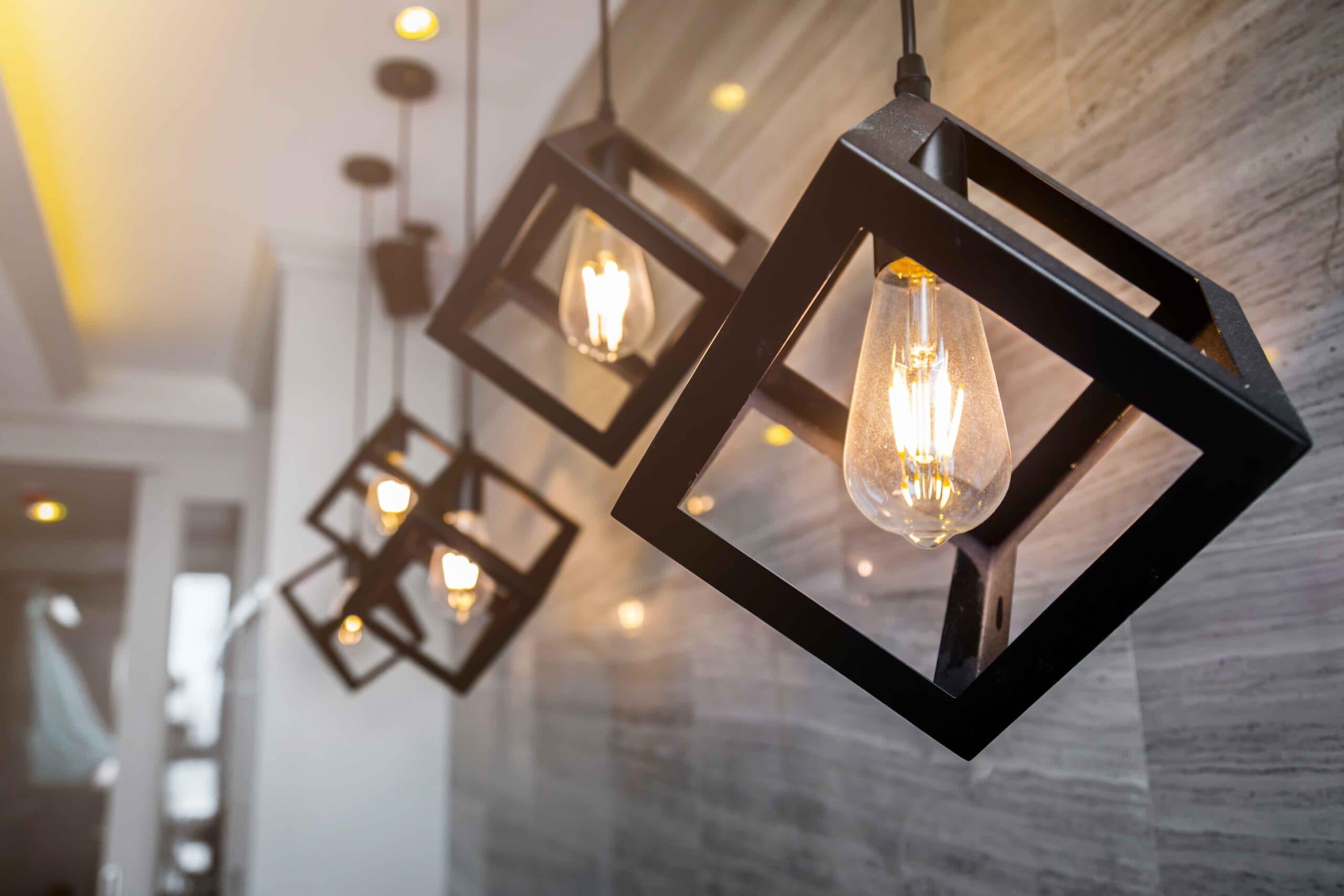
In Saudi Arabia, outdoor events and mobile exhibitions frequently take place in open environments. Using Ultra Light structures paired with a lite led panel for illumination significantly reduces setup time. A lite led panel delivers effective brightness with low power consumption and minimal weight. This allows teams to move quickly between sites and reduce labor hours.
A Riyadh-based event company shared on a local business forum that transitioning to Ultra Light lighting and shelter systems reduced setup time by nearly 30 percent. That improvement directly translated into lower costs and the ability to handle more clients.
Subtopic 3: Improved Safety and Reduced Injury Risk
Safety remains a top priority for both outdoor enthusiasts and businesses. Ultra Light gear reduces physical strain, helping lower the risk of injuries. Findings published in the Journal of Occupational Health show that reducing carried load improves posture and balance, particularly during extended walks.
My own experience reflects this. After adopting Ultra Light equipment, I experienced fewer muscle aches and faster recovery times. This becomes crucial on multi-day trips where accumulated fatigue can lead to errors.
In Saudi Arabia, where rescue operations may involve remote and difficult terrain, prevention is essential. Lightweight gear enables individuals to carry emergency tools without surpassing safe load thresholds. For tour operators, this results in fewer incidents and stronger safety records.
Subtopic 4: Cost Savings Beyond the Purchase Price
Ultra Light gear is often perceived as expensive. While the initial investment can be higher, long-term savings are frequently underestimated. Reduced equipment weight lowers transportation costs, fuel consumption, and vehicle wear.
Saudi logistics firms supporting outdoor and infrastructure projects have begun adopting Ultra Light solutions for these reasons. Fewer transport trips are required, and smaller vehicles can be used efficiently. Over time, these operational savings become substantial.
From my experience, investing in Ultra Light gear proved cost-effective because items lasted longer and suffered less damage during transit. Advances in materials and construction have also improved durability.
Subtopic 5: Technology Integration and Smart Design
Modern Ultra Light gear increasingly incorporates smart technology. Lighting solutions are a strong example. A lite led panel designed for outdoor environments offers reliable illumination with minimal power usage. I have relied on a lite led panel during camps and temporary work setups, and it consistently performed without the need for heavy batteries.
In Saudi Arabia, where off-grid operations are common, lightweight solar-compatible systems are in high demand. Businesses operating temporary sites in areas like NEOM or the Red Sea Project benefit from Ultra Light, technology-ready designs that support sustainability objectives. This alignment with energy efficiency and smart infrastructure makes Ultra Light gear relevant far beyond recreational use.
Subtopic 6: Psychological Benefits and Better Outdoor Experiences
One rarely discussed benefit of Ultra Light gear is mental clarity. Carrying less weight reduces stress and enhances decision-making. When I am not drained by heavy equipment, I remain more alert and enjoy the experience fully.
For outdoor enthusiasts, this leads to improved navigation, stronger group morale, and more rewarding trips. For businesses, it means teams operate with greater confidence and professionalism.
Saudi Arabia’s outdoor tourism market is increasingly competitive. Companies that deliver smooth, comfortable, and efficient experiences stand out. Ultra Light equipment provides that advantage by removing unnecessary physical and operational burdens.
Conclusion
Ultra Light is no longer just about reducing weight for the sake of numbers. It is a practical strategy that enhances safety, efficiency, and overall experience. From personal adventures to Saudi Arabia’s expanding outdoor and business sectors, Ultra Light solutions address real-world challenges.
I have experienced how Ultra Light gear transformed my own trips, and I have seen how businesses benefit from faster setups, reduced costs, and more capable teams. Whether it involves using a lite led panel for efficient lighting or minimizing pack weight for long desert journeys, the advantages extend far beyond the scale.
As outdoor activities and mobile operations continue to grow in Saudi Arabia, adopting Ultra Light equipment is not just a smart decision. It is quickly becoming essential. Ultra Light is shaping a future where people move better, work smarter, and explore with confidence and control.

 Arabic
 French
 Spanish
 Portuguese
 Deutsch
 Turkish
 Dutch
Dutch
 Italiano
 Russian
 Romaian
 Portuguese (Brazil)
 Greek
Greek