


Fallout 76 invites players into a shared post-apocalyptic world where survival is only the first step toward rebuilding something meaningful. Set in the sprawling region of Appalachia, the game offers a landscape shaped by nuclear devastation but filled with signs of resilience and renewal. Rather than focusing solely on ruin, Fallout 76 explores how people adapt, cooperate, and redefine their purpose in a world that has been fundamentally changed.
The open world is designed to encourage curiosity and freedom. Players are not forced down a single path, but instead are allowed to roam across forests, mountains, valleys, and abandoned towns. Each area has its own identity, atmosphere, and dangers. Exploration often leads to quiet discoveries that reveal the stories of those who lived through the early days after the bombs fell. Through environmental details like scattered belongings, damaged structures, and recorded messages, the world communicates its history in subtle and immersive ways.
Survival mechanics play a central role in shaping the experience. Managing resources such as food, water, ammunition, and equipment durability adds constant tension, especially during early gameplay. Every decision matters, whether it is choosing when to engage an enemy or deciding which supplies to carry on a long journey. Over time, players develop strategies that make survival more efficient, transforming initial struggle into confidence. This gradual progression reinforces the theme of adaptation in a hostile environment.
A defining feature of Fallout 76 is its multiplayer foundation. Other players exist within the same world, creating a dynamic and unpredictable environment. Encounters can range from cooperative teamwork to quiet coexistence. Public events often require multiple players to work together, emphasizing coordination and shared goals. These moments highlight the importance of collaboration in overcoming challenges that would be overwhelming alone. At the same time, the game allows for solo exploration, ensuring that players can engage with the world at their own pace.
Narrative depth expanded significantly with the introduction of Wastelanders, which brought human characters back into the wasteland. This addition introduced meaningful dialogue choices, faction conflicts, and moral decisions that strengthened the role-playing elements. Players are no longer limited to uncovering stories from the past, but actively influence the present through their actions. These choices add emotional weight and help define each player’s identity within the world.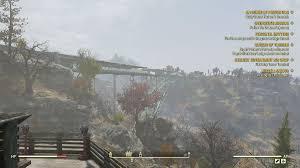
Base building further supports the idea of renewal. Through the camp system, players can construct shelters, workshops, and gathering spaces almost anywhere. Camps serve as safe havens and practical hubs, but also as expressions of creativity and personality. Discovering another player’s camp can feel like encountering a small piece of restored civilization, offering comfort and utility amid the dangers of the wasteland.
Fallout 76 continues to evolve through updates and community involvement, gradually refining its systems and expanding its world. Its strength lies in persistence rather than perfection. By blending exploration, survival mechanics, and shared experiences, Fallout 76 Boosting presents a vision of the post-apocalypse that is not defined solely by destruction, but by the enduring effort to build a future from the remnants of the past.

 Arabic
 French
 Spanish
 Portuguese
 Deutsch
 Turkish
 Dutch
Dutch
 Italiano
 Russian
 Romaian
 Portuguese (Brazil)
 Greek
Greek