


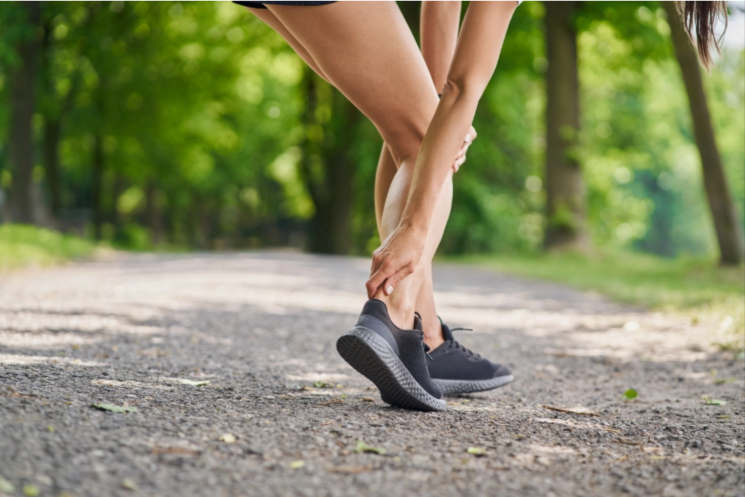
If Achilles pain is not treated properly, it may become progressively worse, limit your ability to perform basic activities, and be a slow process in resolution. In fact, for many, this initially presents as an intermittent ache when walking or exercising that eventually leads to an ongoing problem that disrupts everyday life. You are not the only person looking for assistance in finding answers to your issue with the Achilles. Therefore, the first step towards recovery is to learn what treatment options are proven to work.
Another item to note is that Achilles tendinopathy does not have a single treatment which works for everyone. The best treatment plan will be determined based on the type of tendon injury (e.g., insertional vs mid-portion tendinopathy), how long the injury has existed, and the severity of symptoms. Nevertheless, by using the appropriate strategies, achieving long-term resolution of Achilles dysfunction is completely achievable.
Understanding Achilles Tendinopathy
Achilles tendinopathy refers to degeneration and irritation of the Achilles tendon, which connects the calf muscles to the heel bone. Unlike sudden injuries, this condition usually develops over time due to repetitive strain, overuse, or biomechanical imbalance.
Symptoms often include stiffness in the morning, pain during activity, tenderness along the tendon, and reduced strength. Many people delay treatment, hoping it will settle on its own, but early and appropriate care makes a significant difference to recovery.
What Makes a Treatment Truly Effective?
The most effective Achilles tendinopathy treatment focuses on three core principles:
-
Reducing excessive tendon load
-
Encouraging controlled tendon healing
-
Restoring strength and movement safely
Quick fixes rarely work. Ice, rest alone, or painkillers may provide temporary relief but do not address the underlying problem. Successful treatment requires a structured, progressive plan tailored to the individual.
Non-Surgical Treatment Options That Work
Activity Modification and Load Management
To heal the tendon properly in the early stages, it is important to lessen the amount of load placed on the tendon through activity modifications. This does not necessarily mean stopping all physical activity completely. However, intensity, frequency and type of shoe may all be adjusted to allow healing without having to completely stop doing anything.
Targeted Exercise Therapy
One of the most successful methods of treatment is using eccentric & progressive loading. When conducted in a regular and proper fashion, eccentric loading and progressive loading exercises have been shown to provide a stimulus for the healing of tendons and the gradual strengthening of tendons.
Footwear and Orthotics
The use of supportive footwear and custom orthotics will relieve some of the stress placed on the Achilles tendon by providing better positioning or loading and/or absorbing shock, especially when an individual has a biomechanical problem.
Shockwave Therapy
Extracorporeal shockwave therapy has been utilised when conservative treatment has failed to relieve long-term pain. It provides a stimulating effect for the healing of the tendon by increasing blood flow to the area and stimulating new tissue growth.
Insertional Achilles Tendinopathy: A Different Approach
Not all Achilles tendon pain is created equal; therefore, treatment for an insertional Achilles tendon injury focuses on pain occurring at the point of the tendon where it attaches to the heel bone. Due to the unique response to compression-related irritation of this region of tendon tissue, the exercise programme and activity level for this type of Achilles tendon injury require modification.
When Surgery May Be Considered
Most of the time, surgery will only be considered for an extreme case when non-surgical treatments do not work for a prolonged period or timeframe. The goal of these types of surgeries is to take away or remove the injured tissue or damaged tendon and improve their functions using guided rehabilitation protocols afterwards.
Although outcomes can be successful, surgery will require a more extended recovery period than standard options and, as such, can only be obtained through an extensive evaluation from an experienced specialist.
Understanding Achilles Tendon Rupture vs Tendinopathy
It is important not to confuse tendinopathy with a rupture. Achilles tendon rupture treatment is entirely different and typically involves either surgical repair or structured non-operative management, followed by extensive rehabilitation.
Tendinopathy does not involve a complete tear, but untreated degeneration can increase the risk of rupture over time. This is another reason early, expert-led care is essential.
Why Specialist Assessment Matters
Many people attempt to self-manage Achilles pain using online advice. While general guidance can be helpful, incorrect exercises or poor technique often delay recovery.
A specialist assessment ensures:
-
Accurate diagnosis of the tendon condition
-
Identification of contributing biomechanical factors
-
A tailored treatment plan that evolves as symptoms improve
This approach not only reduces pain but also helps prevent recurrence.
Recovery Timeline: What to Expect
Achilles tendinopathy recovery takes time, with some people noticing improvements after a few weeks, while others may take months to recover. This is why consistency and patience are important.
Often, if individuals return to physical activity too quickly, they can experience relapses of their pain. Therefore, it is recommended to return to sport or daily activities in a phased manner, as this protects the long-term health of the tendon.
Final Thoughts
Achilles tendinopathy treatment is not a singular treatment or a quick fix. Achilles tendinopathy treatment involves a systematic process of careful guidance. The treatment for Achilles tendinopathy involves accurate diagnosis, progressive loading, and patient-specific treatment plans. If treated appropriately, most patients will return to pain-free movement and normal levels of activity.
Choosing the right provider who understands the difference can be the difference in your recovery. Most patients appreciate the knowledge, insight and organisation that the specialist approach provides, and they feel confident throughout their recovery, especially when working with Mr Pavel Akimau, who is focused on precise diagnosis and evidence-based treatment.
FAQs
1. What is the most effective Achilles tendinopathy treatment?
A structured programme combining load management, targeted exercises, and specialist guidance is most effective.
2. How long does recovery usually take?
Recovery varies but typically takes several weeks to months depending on severity and consistency of treatment.
3. Is surgery always required?
No. Most cases improve with non-surgical treatment when managed correctly.
4. Is insertional Achilles tendinopathy treated differently?
Yes. Exercises and loading strategies must be modified to avoid further irritation at the heel attachment.
5. Can Achilles tendinopathy lead to rupture?
If untreated, degeneration may increase rupture risk, which is why early treatment is important.

 English
 Arabic
 French
 Spanish
 Portuguese
 Deutsch
 Turkish
 Dutch
Dutch
 Russian
 Romaian
 Portuguese (Brazil)
 Greek
Greek