


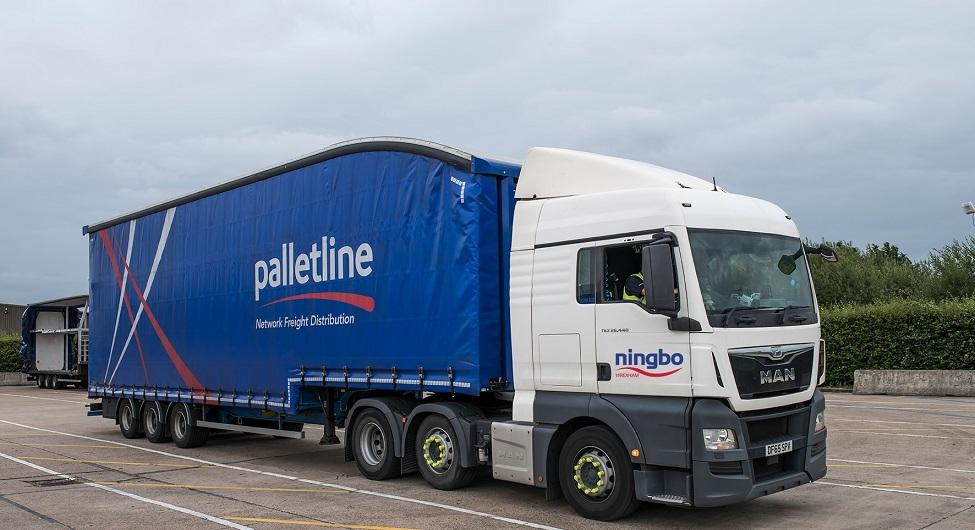
In today’s fast-moving supply chain environment, efficiency, reliability, and cost control are more important than ever. Businesses across industries are under constant pressure to move goods quickly while maintaining safety and accuracy. One logistics solution that has become essential to meeting these demands is palletised distribution. By standardising the way goods are transported, companies can improve handling, reduce damage, and streamline delivery operations across local and national networks.
This article explores how pallet-based logistics works, why it has become a cornerstone of modern freight movement, and how businesses benefit from adopting this system.
What Is Palletised Distribution?
Palletised distribution refers to the transportation of goods that are stacked, secured, and shipped on pallets. These pallets act as a uniform base that allows products to be handled easily using forklifts, pallet trucks, and automated warehouse systems. Instead of moving individual boxes or loose items, shipments are consolidated into pallet units, making loading and unloading faster and safer.
This method is widely used in warehousing, freight transport, and retail supply chains because it supports consistent handling procedures. Pallets also enable compatibility with various transport modes, including road, rail, and sea, ensuring seamless movement across logistics networks.
How Pallet-Based Logistics Improves Efficiency
One of the biggest advantages of pallet-based shipping is operational efficiency. Standard pallet sizes allow warehouses and vehicles to be designed for optimal space utilisation. This reduces wasted capacity and ensures that trucks and storage facilities are used to their full potential.
In addition, pallet handling significantly reduces manual labour. Forklifts and automated systems can move large volumes of goods quickly, minimising handling time and lowering the risk of workplace injuries. For businesses managing high shipment volumes, this efficiency directly translates into lower operational costs and faster delivery times.
Reducing Damage and Improving Product Safety
Product damage during transit is a major concern for businesses. Pallet-based shipping offers enhanced protection by keeping goods stable and secure throughout the journey. When items are shrink-wrapped or strapped to pallets, they are less likely to shift or fall, reducing the risk of breakage.
Using palletised distribution also allows for better stacking and load balancing within vehicles. This stability helps protect fragile or high-value goods and ensures they arrive at their destination in optimal condition. Fewer damaged goods mean lower return rates, improved customer satisfaction, and reduced financial losses.
Industries That Rely on Palletised Freight Movement
Many industries depend heavily on pallet-based logistics to maintain efficient supply chains. Manufacturing companies use pallets to move raw materials and finished products between factories and distribution centres. Retailers rely on pallet shipments to stock warehouses and stores efficiently, especially during peak seasons.
The food and beverage industry also benefits from pallet-based transport, as it supports hygiene standards and temperature-controlled logistics. In these sectors, palletised distribution plays a vital role in ensuring timely deliveries while maintaining product integrity and compliance with regulations.
Scalability for Businesses of All Sizes
Another key advantage of pallet-based logistics is scalability. Small businesses can ship a few pallets at a time without needing to fill an entire vehicle, while larger companies can move full truckloads efficiently. This flexibility allows businesses to scale their operations according to demand without major changes to their logistics infrastructure.
Shared pallet networks also enable cost-effective shipping by consolidating multiple customers’ pallets into a single route. This approach reduces transport costs and environmental impact while maintaining reliable delivery schedules.
Environmental Benefits of Pallet-Based Transport
Sustainability has become a major focus in logistics, and pallet-based systems support greener operations. Reusable pallets reduce the need for disposable packaging materials, while optimised vehicle loading lowers fuel consumption and emissions.
By consolidating shipments and reducing empty space in transport vehicles, palletised distribution contributes to more environmentally responsible logistics practices. Many companies now choose this method not only for efficiency but also to support their sustainability goals.
Technology and Innovation in Pallet Logistics
Advancements in technology have further enhanced pallet-based logistics. Tracking systems, barcode scanning, and warehouse management software allow businesses to monitor pallet movements in real time. This visibility improves inventory control, reduces errors, and supports data-driven decision-making.
Automation is also transforming pallet handling, with robotic systems increasingly used in warehouses to move and stack pallets efficiently. These innovations continue to strengthen the role of pallet-based transport in modern supply chains.
Choosing the Right Distribution Partner
Selecting the right logistics partner is essential for businesses using pallet-based shipping. A reliable provider offers extensive network coverage, clear communication, and consistent delivery performance. They also ensure proper pallet handling, secure storage, and compliance with industry standards.
Businesses that work with experienced partners gain access to established routes, flexible delivery options, and expert logistics support. This collaboration helps maximise the benefits of pallet-based transport while minimising risks and delays.
Conclusion
Efficient logistics is the backbone of successful supply chains, and pallet-based shipping has become a proven solution for businesses seeking reliability and scalability. By improving handling efficiency, reducing damage, and supporting sustainable practices, palletised distribution continues to play a critical role in modern freight movement.
As industries grow and customer expectations rise, businesses that invest in pallet-based logistics position themselves for long-term success. With the right strategy and partners in place, pallet shipping remains one of the most effective ways to move goods safely, efficiently, and cost-effectively.

 Arabic
 French
 Spanish
 Portuguese
 Deutsch
 Turkish
 Dutch
Dutch
 Italiano
 Russian
 Romaian
 Portuguese (Brazil)
 Greek
Greek