


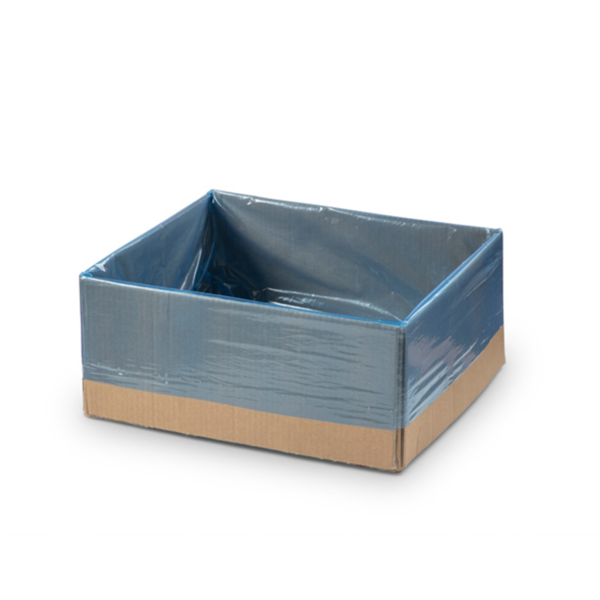
Selecting suitable packaging materials is a fundamental step for industries prioritising the safety and preservation of their products. Gusset box liners, particularly those in blue, are increasingly recognised for their versatility and effectiveness in various applications. These liners are designed to offer an additional layer of protection while maintaining practicality and adaptability. The distinctive choice of blue as a colour is often linked to specific requirements and industry standards, making it a notable feature in certain environments. This article explores the multifaceted advantages and characteristics of gusset box liners, offering insight into their role in modern packaging solutions. Through an examination of their materials, applications, and evolving trends, this highlights the key aspects that contribute to their growing importance in safeguarding products across diverse sectors.
Understanding Gusset Box Liners
Gusset box liners are specially designed to provide enhanced protection and functionality for packaging needs. Their unique structure features expandable sides, known as gussets, which allow the liner to conform to the dimensions of a container more effectively. This adaptability not only optimises the use of space within the box but also ensures secure coverage for the contents.
These liners act as an essential barrier, shielding products from external elements such as moisture, dust, and contaminants. Their design supports a wide range of packaging applications, making them suitable for industries requiring secure and hygienic storage solutions. By accommodating varying shapes and sizes of products, gusset box liners offer an effective method of maintaining product integrity during storage and transport.
The Role of Colour in Gusset Box Liners
Blue is a widely chosen colour for gusset box liners due to its practical and visual benefits in specific industries. It is particularly favoured in environments where hygiene and cleanliness are essential, as its vibrant hue can help in spotting impurities or contamination more easily. Additionally, blue is a non-natural colour for most food products, making it highly effective in food processing and handling to ensure visibility and safety.
In inventory management, coloured liners can aid in the quick differentiation of items, streamlining organisation and reducing errors. The functional use of colour, combined with its industry-specific applications, highlights its importance in maintaining operational efficiency and meeting regulatory requirements.
Materials Used in Gusset Box Liners
Gusset box liners are crafted from a range of materials, each selected to meet specific packaging needs. High-density polyethylene is commonly used for its durability and resistance to moisture, making it suitable for products requiring reliable protection from environmental factors. Low-density polyethylene, on the other hand, offers enhanced flexibility, which can be beneficial for accommodating irregularly shaped contents. Polypropylene is another option, valued for its strength and resistance to chemicals, making it appropriate for specialised applications.
Additionally, multi-layered materials are utilised to combine the benefits of various polymers, providing improved barrier properties against contaminants. The selection of material for gusset box liners is guided by the intended application, ensuring that the packaging performs effectively under its required conditions.
Benefits of Using Gusset Box Liners
Gusset box liners provide a practical solution for safeguarding products during handling and storage. Their design accommodates the contours of containers, ensuring a secure fit that minimises the risk of damage from shifting or environmental factors. These liners are particularly effective in maintaining hygiene by acting as a barrier against contaminants such as moisture and dust.
Additionally, their use supports organised stacking and efficient utilisation of storage space, which can be crucial for large-scale operations. Their adaptability to various contents enhances their functionality across diverse applications, providing dependable protection. By offering reliable performance in preserving the condition of packaged goods, gusset box liners contribute significantly to maintaining quality standards in different industries.
Applications of Gusset Box Liners
Gusset box liners serve a critical role in a variety of industrial applications, offering reliable protection and versatility. In the food industry, these liners are utilised to safeguard ingredients and finished goods from contamination and moisture. The pharmaceutical sector relies on its hygienic properties for secure storage of sensitive materials such as powders and liquids.
In agriculture, they are employed to protect grains, seeds, and other produce from environmental factors like humidity and pests. Beyond these industries, they are also utilised in chemical and manufacturing processes, where maintaining product integrity is essential. Their adaptability to different shapes and sizes of containers ensures they are a practical choice for industries requiring robust and hygienic packaging solutions.
Environmental Considerations
Environmental considerations in the design and production of gusset box liners have become increasingly significant. Many modern liners are developed with a focus on reducing their ecological footprint through the use of recyclable and biodegradable materials. Innovations in manufacturing processes have enabled the incorporation of post-consumer recycled content, which helps minimise waste and promotes a circular approach to material use.
Additionally, the development of thinner yet equally durable liners reduces the consumption of raw materials without compromising functionality. The selection of materials for these liners can influence their impact on waste management systems, with some materials more easily recyclable than others. By integrating these environmentally conscious features, gusset box liners align with broader goals of sustainable packaging practices.
Selecting the Right Gusset Box Liner
Determining the most suitable gusset box liner necessitates an evaluation of the specific needs of the packaging application. The dimensions of the liner should align precisely with the container to prevent unnecessary material usage or inadequate coverage. Thickness plays a pivotal role, as it must provide sufficient durability to protect the contents without excessive weight or cost implications.
The nature of the product being packaged, such as its sensitivity to moisture, temperature, or contaminants, should guide the selection of material and design. Storage and transportation conditions, including potential exposure to environmental factors, are additional considerations. By assessing these elements, the appropriate liner can be chosen to support both operational requirements and product protection standards effectively.
Installation Techniques for Gusset Box Liners
Ensuring the correct installation of gusset box liners is crucial for optimal functionality and product protection. The process involves carefully unfolding the liner and aligning it within the container, ensuring the gusseted sides are properly positioned to fit the box's shape. This alignment helps prevent wrinkles or air pockets that may compromise the liner's effectiveness.
To secure the liner, its edges should be adjusted neatly to cover the interior surfaces, creating a seamless barrier against external elements. For specialised applications, additional steps such as sealing or fastening may be employed to enhance durability. Standardised procedures during installation minimise inconsistencies, ensuring the liner performs as intended while safeguarding the contents during storage and transit.
Maintenance and Care
Proper handling and storage are essential for preserving the functionality of gusset box liners. These liners should be kept in a controlled environment to prevent exposure to extreme temperatures or humidity, which can compromise their structural integrity. Ensuring they remain free from debris or contaminants is critical, particularly in industries with stringent hygiene standards.
Before use, inspecting for any signs of damage, such as punctures or wear, helps maintain the reliability of the liner during application. When not in use, storing them in a clean, dry space helps to avoid unnecessary deterioration. By adhering to recommended care practices, gusset box liners can consistently deliver the required level of protection and efficiency in various packaging processes.
Innovations in Gusset Box Liners
Advancements in gusset box liners have introduced features designed to enhance their functionality and adaptability for modern packaging requirements. Research and development efforts have led to the creation of thinner yet highly durable materials, reducing material usage while maintaining strength and reliability. Some designs now integrate advanced barrier properties to provide enhanced protection against moisture, odours, and other external elements.
Additionally, improvements in manufacturing techniques have allowed for greater customisation, enabling liners to be tailored to specific industry needs. The adoption of smart technologies, such as materials with anti-static or temperature-regulating properties, further expands their applications. These innovations aim to address emerging demands for efficiency, practicality, and sustainability within the packaging sector.
Cost Considerations
The expense associated with gusset box liners varies depending on factors such as the material composition, dimensions, and any additional customisation. Liners made from specialised materials or designed for specific purposes may incur higher production costs, yet their performance in protecting goods and meeting regulatory standards can justify the expenditure. Bulk purchasing can often provide cost efficiency, particularly for industries requiring large quantities.
Additionally, advancements in manufacturing processes have enabled the production of high-quality liners with optimised material usage, which may contribute to cost management. Evaluating the balance between performance and price is crucial when selecting liners for diverse applications.
Market Trends
The increasing focus on sustainable practices and efficient packaging solutions is shaping the demand for gusset box liners. Innovations in materials and production techniques are supporting the adoption of eco-friendly options, such as biodegradable or recyclable liners, aligning with environmental priorities. Customisation has also emerged as a significant trend, with industries requiring tailored solutions to meet specific regulatory and operational needs.
Technological advancements, including enhanced barrier properties and specialised designs, are addressing complex packaging requirements. Additionally, the integration of cost-effective manufacturing processes is influencing the availability of high-performance liners, catering to diverse sectors seeking reliable and adaptable packaging materials.
Conclusion
In conclusion, the adoption of blue gusset box liners across Australian industries in 2026 highlights a sophisticated approach to supply chain integrity. By combining the expandable utility of gusseted sides with the high-visibility benefits of blue pigmentation, these liners ensure both physical protection and rapid contaminant detection. As Australian businesses move toward the 2030 National Packaging Targets, the shift toward thinner, high-strength recycled polymers ensures that safety does not come at the expense of sustainability. Ultimately, selecting a blue liner is a proactive measure that reinforces a commitment to hygiene, operational efficiency, and the reliable preservation of high-value goods during transit.
Frequently Asked Questions
Why is blue the industry standard colour for liners in Australian food processing?
In the Australian food sector, blue is the mandated colour for liners because it does not occur naturally in the vast majority of food products. If a piece of the liner were to accidentally tear and fall into a batch of ingredients, its vibrant blue hue makes it immediately identifiable to both human inspectors and automated optical sorting systems. This high contrast is a critical component of HACCP (Hazard Analysis and Critical Control Point) plans, as it prevents physical contamination from reaching consumers, thereby safeguarding the reputation of the Australian food supply chain and ensuring compliance with national health standards.
What is the functional difference between LDPE and HDPE gusset box liners?
Low-Density Polyethylene (LDPE) and High-Density Polyethylene (HDPE) offer different protective qualities suited to specific tasks. LDPE is prized for its high flexibility and puncture resistance, making it the ideal choice for Australian agricultural exports or jagged items that might stretch the plastic. Conversely, HDPE is more rigid and provides a superior moisture barrier with a characteristic "crinkle" feel. In the Australian climate, HDPE is often used for fine powders or dry chemicals to prevent humidity ingress, while LDPE is favoured for bulk liquids or heavy-duty liners where the ability to absorb impact without tearing is paramount.
How do the expandable gussets improve the efficiency of Australian logistics?
The "gusset" refers to the folded pleats on the sides of the liner that expand when filled. This design allows the liner to transform from a flat shape into a three-dimensional box shape that perfectly contours to the interior of a standard Australian shipping pallet box or carton. By eliminating the "dead space" often found in flat-bottomed bags, gusset liners allow for a higher volume of product per box. This maximises shipping container density and reduces the number of trips required for bulk transport, which is a key factor in reducing the carbon footprint of long-distance Australian logistics operations.
Are blue gusset box liners recyclable under current Australian waste regulations?
Yes, most blue gusset liners made from LDPE or HDPE are fully recyclable through industrial "soft plastic" streams in Australia. In 2026, under the Australian Packaging Covenant (APCO) guidelines, many manufacturers have transitioned to using "Mono-polymer" constructions, which are easier to process than multi-layered plastics. To ensure they are recycled correctly, Australian businesses should ensure the liners are free from heavy organic contamination before placing them in designated commercial recycling bins. Many regional hubs now also provide "closed-loop" systems where used blue liners are collected and reprocessed into new industrial packaging materials.
What is the best way to ensure a leak-proof seal with a blue gusset liner?
To achieve a leak-proof environment, especially when transporting Australian bulk liquids or marinated goods, the installation technique is vital. The liner should be seated so that the bottom gussets are fully expanded against the floor of the box to prevent stress on the seams. For the top closure, the most effective method is a "goose-neck" tie, where the excess liner is twisted, folded over itself, and secured with a heavy-duty cable tie or tape. In 2026, many Australian suppliers also offer "heat-sealable" blue liners, which can be fused using a portable heat sealer to provide a 100% airtight and moisture-proof barrier for sensitive pharmaceutical or chemical exports.
| Related Business Listings |

 Arabic
 French
 Spanish
 Portuguese
 Deutsch
 Turkish
 Dutch
Dutch
 Italiano
 Russian
 Romaian
 Portuguese (Brazil)
 Greek
Greek