


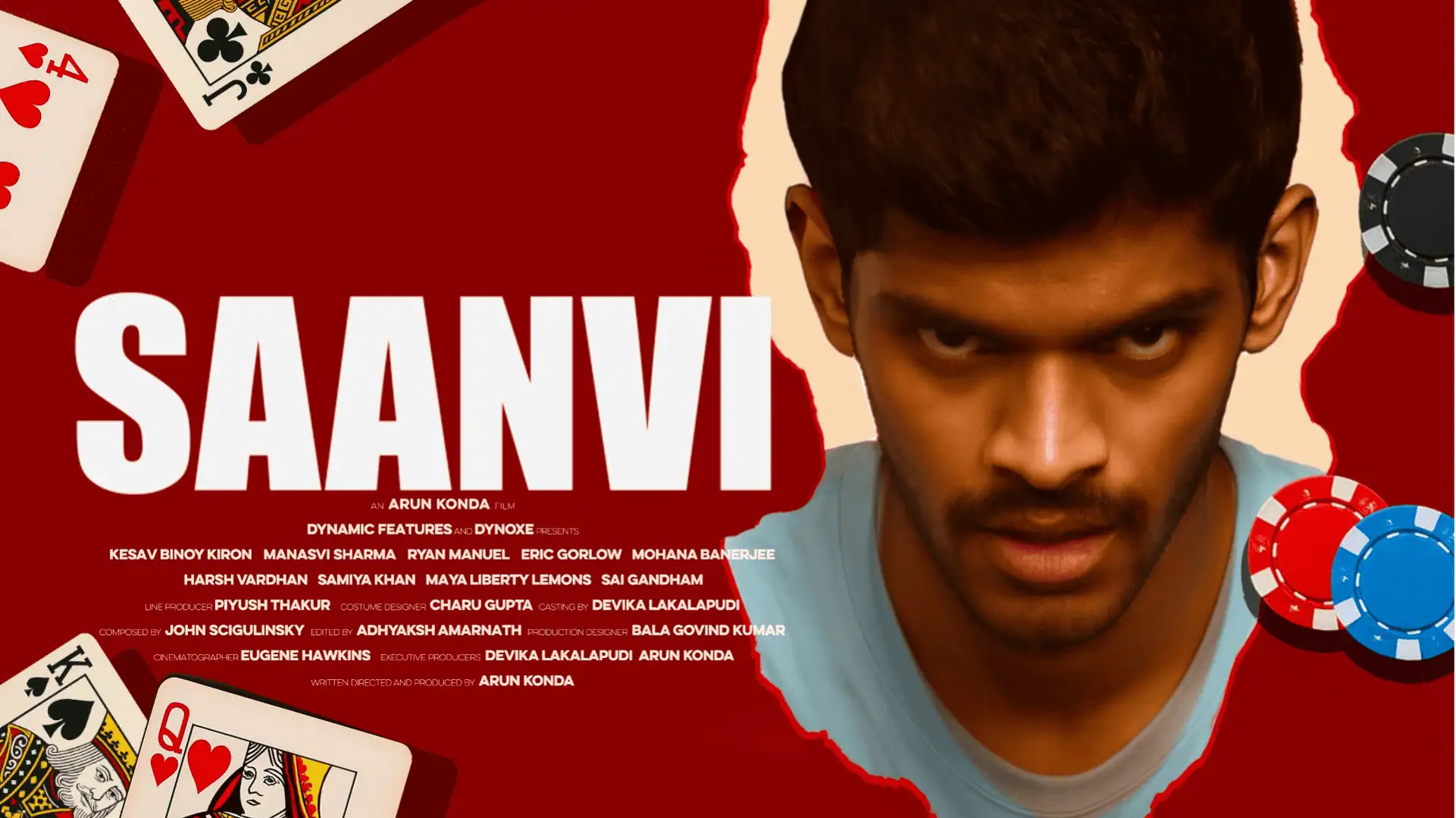
Suspense in cinema is not created by sudden shocks or loud twists alone. True suspense is built slowly, layer by layer, until it settles deep in the viewer’s mind. SAANVI Movie understands this art with remarkable restraint. Rather than chasing spectacle, the film commits to atmosphere, silence, and moral tension - resulting in a crime thriller that lingers long after the screen fades to black.
At its core, SAANVI is not just about crime. It is about anticipation, uncertainty, and the quiet fear of making irreversible choices.
Suspense Rooted in Story, Not Shock
Many crime thrillers rely heavily on dramatic confrontations and fast-paced reveals. SAANVI takes a different approach. The suspense arises from what is withheld rather than what is shown. Each scene is carefully constructed to leave unanswered questions, compelling the audience to stay alert and emotionally invested.
The narrative unfolds gradually, allowing tension to build naturally. The viewer is not rushed toward conclusions but instead drawn into a psychological space where every decision feels weighted and every pause feels intentional. This slow-burn structure transforms suspense into an experience rather than a momentary thrill.
The Power of Silence and Stillness
One of SAANVI’s most striking elements is its use of silence. Dialogue is minimal, yet meaning is abundant. Long pauses, restrained reactions, and unspoken emotions contribute significantly to the film’s atmosphere. These quiet moments amplify suspense, forcing the audience to observe closely and interpret what lies beneath the surface.
Stillness becomes a narrative tool. The absence of constant motion or sound creates unease, reminding viewers that danger does not always announce itself. In SAANVI, suspense thrives in these moments of calm, making the eventual consequences feel inevitable rather than surprising.
Characters as Carriers of Tension
Suspense in SAANVI is deeply tied to its characters. They are not archetypal heroes or villains but individuals shaped by circumstance, fear, and flawed judgment. The audience is placed inside their moral dilemmas, witnessing internal conflicts that are as tense as any external threat.
Every choice a character makes adds another layer of uncertainty. There is no clear path, no safe option. This emotional unpredictability keeps the viewer constantly engaged, wondering not just what will happen next, but what should happen—and at what cost.
Visual Storytelling That Enhances Unease
The visual language of SAANVI plays a crucial role in sustaining suspense. Subdued lighting, controlled framing, and deliberate camera movement create a sense of confinement and inevitability. Shadows are not merely aesthetic choices; they reflect the moral ambiguity that defines the film.
The camera often lingers longer than expected, allowing tension to settle into the frame. Rather than guiding the viewer toward comfort, the visuals maintain a steady sense of unease, reinforcing the film’s psychological depth.
A Crime Thriller That Refuses Easy Answers
What makes SAANVI truly linger is its refusal to offer neat resolutions. The film respects its audience by allowing ambiguity to exist. Not every question is answered, and not every action is clearly justified. This openness invites reflection, encouraging viewers to revisit the story in their minds long after watching.
The suspense does not end with the final scene. Instead, it evolves into introspection. Viewers are left questioning the nature of guilt, responsibility, and the fragile line between survival and morality.
Conclusion
SAANVI demonstrates that suspense is most powerful when it is subtle, emotional, and deeply human. By prioritizing atmosphere over excess and character over spectacle, the film delivers a crime thriller that stays with its audience long after the credits roll.
In mastering the art of suspense, SAANVI Film proves that the most unsettling stories are not those that shock us - but those that quietly refuse to let go.

 Arabic
 French
 Spanish
 Portuguese
 Deutsch
 Turkish
 Dutch
Dutch
 Italiano
 Russian
 Romaian
 Portuguese (Brazil)
 Greek
Greek