


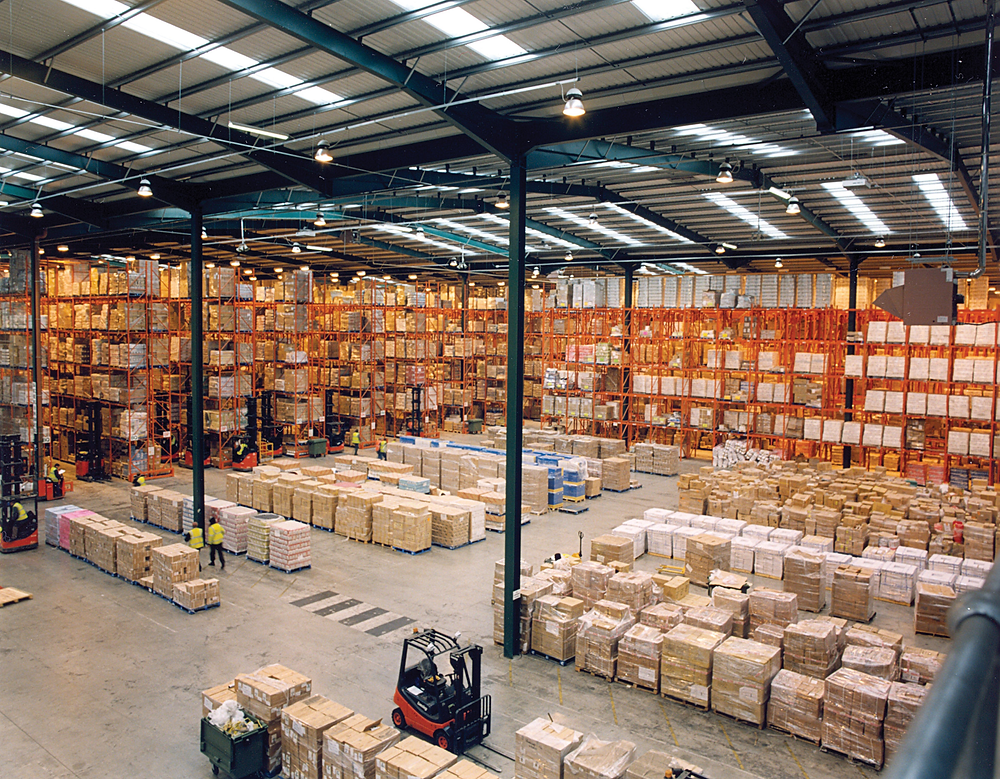
In today’s fast-moving supply chain environment, warehouse services are no longer limited to storage alone. They play a critical role in order accuracy, speed, safety, and cost control. To manage these expectations, many warehouse operators borrow proven principles from lean manufacturing, one of the most widely adopted being the 6S methodology. While often associated with factory floors, 6S is increasingly applied to warehouses to improve efficiency, reduce errors, and create safer working conditions.
The 6S framework stands for Sort, Set in Order, Shine, Standardize, Sustain, and Safety. Together, these principles help warehouses operate in a more structured, predictable, and scalable way.
1. Sort: Eliminating the Unnecessary
The first step in 6S warehousing is Sort, which focuses on removing items that are not required for daily operations. In a warehouse setting, this may include obsolete inventory, damaged packaging materials, unused pallets, or outdated equipment.
Sorting helps free up valuable floor and rack space, making it easier to manage fast-moving SKUs. Many warehouse managers periodically audit storage zones to identify items that no longer contribute to operational goals. This step also reduces confusion during picking and packing, especially in high-volume fulfillment environments.
2. Set in Order: Organizing for Flow
Once unnecessary items are removed, the next step is Set in Order. This involves arranging tools, inventory, and equipment so they are easy to locate, access, and return. In warehousing, this often translates to logical rack layouts, clearly labeled storage locations, and defined travel paths for material handling equipment.
High-frequency items are usually placed closer to dispatch zones, while slow-moving inventory is stored further away. A well-organized warehouse reduces picking time, minimizes movement, and improves overall throughput without additional infrastructure.
3. Shine: Maintaining Cleanliness
Shine focuses on cleanliness and regular maintenance. In warehouses, this goes beyond simple housekeeping. Clean floors reduce slip hazards, dust-free racks protect inventory, and well-maintained equipment operates more reliably.
Many operators schedule daily or shift-based cleaning routines as part of standard operations. Regular inspections during cleaning also help identify early signs of wear, leaks, or damage - preventing larger operational disruptions later.
4. Standardize: Creating Consistent Processes
After implementing the first three steps, Standardize ensures that best practices are documented and followed consistently. In a warehouse, this may include standard operating procedures (SOPs) for receiving, put-away, picking, packing, and returns.
Standardization reduces dependency on individual experience and makes it easier to train new staff. Visual aids such as floor markings, signage, and process charts are commonly used to reinforce standardized workflows across shifts and teams.
5. Sustain: Making It a Habit
Sustain is often considered the most challenging part of 6S. It focuses on maintaining discipline and ensuring that processes do not gradually slip back into old habits. In warehousing, sustainment is supported through regular audits, performance metrics, and employee involvement.
Supervisors may conduct routine 6S checks, while teams are encouraged to suggest improvements. When employees understand the impact of organized operations on productivity and safety, adherence becomes part of the warehouse culture rather than a one-time initiative.
6. Safety: Protecting People and Inventory
The sixth “S,” Safety, is sometimes integrated throughout the process but is increasingly treated as a distinct pillar. Warehouses involve heavy equipment, high racks, and constant movement, making safety critical.
Clear walkways, proper storage heights, protective gear, and emergency protocols all fall under this category. A 6S-driven warehouse proactively identifies risks and designs layouts and processes that reduce the chance of accidents, damage, or downtime.
Why the 6S Framework Matters in Warehousing
Applying the 6S methodology helps warehouses become more predictable, scalable, and resilient. It supports faster order processing, fewer errors, and better space utilization, key factors for modern fulfillment operations. As customer expectations rise and volumes fluctuate, structured warehouse services built on principles like 6S offer a practical foundation for long-term operational efficiency.

 Arabic
 French
 Spanish
 Portuguese
 Deutsch
 Turkish
 Dutch
Dutch
 Italiano
 Russian
 Romaian
 Portuguese (Brazil)
 Greek
Greek