


Introduction
When it comes to injuries, burns are one of the most painful and challenging to treat. Finding the best treatment for burns in Fort Worth can make a huge difference in recovery and comfort. This guide explores local options, home care tips, and professional advice to ensure optimal healing.
Understanding Burns
Burns occur when the skin or tissues are damaged due to heat, chemicals, electricity, or radiation. They are categorized into three types:
-
First-Degree Burns: Affect only the outer layer of skin (epidermis). Red, dry, and painful.
-
Second-Degree Burns: Damage both the epidermis and dermis. Causes blisters, swelling, and severe pain.
-
Third-Degree Burns: Extend into deeper tissues, may appear white, black, or charred. Usually numb due to nerve damage.
Understanding the severity of a burn is essential for choosing the right treatment.
Emergency Burn Care in Fort Worth
Immediate care can prevent infection and reduce long-term damage. Follow these steps for emergency care:
-
Stop the Burning Process: Remove the person from the heat source or chemical.
-
Cool the Burn: Use cool running water for 10–20 minutes; avoid ice, which can cause further tissue damage.
-
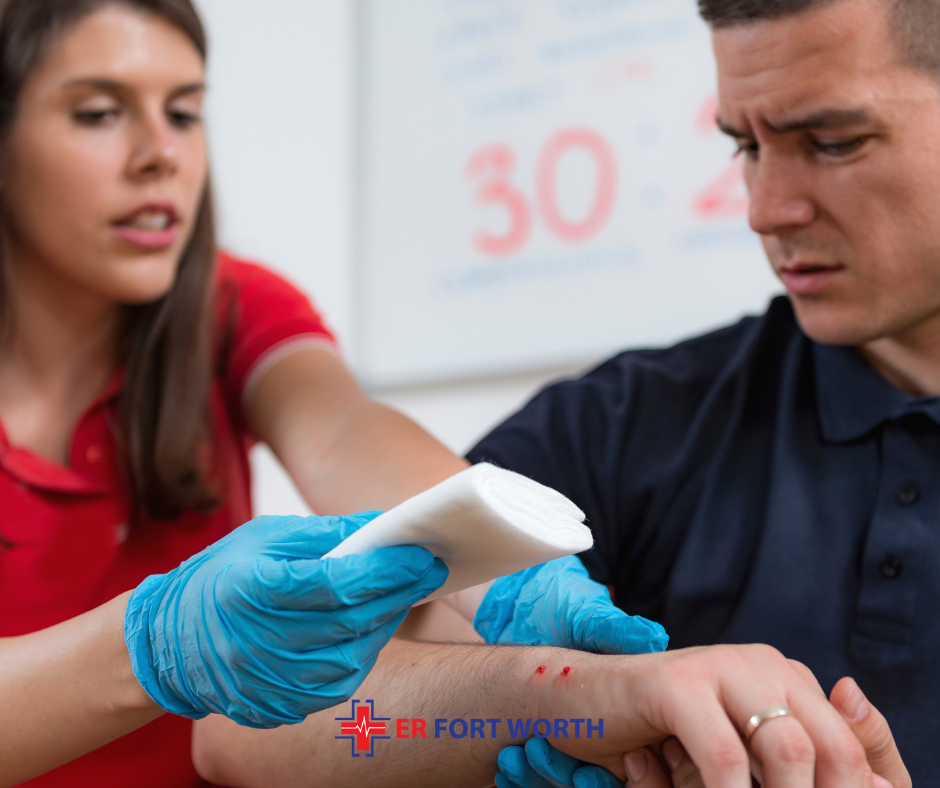
Cover the Burn: Use a clean, non-stick cloth or sterile bandage.
-
Avoid Home Remedies: Do not apply butter, oils, or toothpaste on burns.
-
Seek Medical Help: For second-degree burns larger than 3 inches or any third-degree burns, visit a hospital immediately.
In Fort Worth, several hospitals and burn centers provide specialized emergency treatment for burns.
Top Burn Treatment Centers in Fort Worth
Fort Worth offers advanced medical facilities with experienced professionals for burn care. Some notable options include:
-
Texas Health Harris Methodist Hospital: Comprehensive burn care and rehabilitation.
-
Baylor Scott & White Medical Center: Offers both emergency treatment and outpatient follow-up.
-
Cook Children’s Medical Center: Specialized pediatric burn care.
These centers provide both surgical and non-surgical interventions based on burn severity.
Home Care Tips for Minor Burns
Minor burns can often be treated at home with careful attention:
-
Clean the Burn Area: Wash gently with mild soap and water.
-
Apply Burn Cream or Aloe Vera: Helps in cooling and reducing inflammation.
-
Use Non-Stick Bandages: Protect the wound without adhering to it.
-
Pain Relief: Over-the-counter medications like acetaminophen or ibuprofen can help.
-
Monitor for Infection: Watch for redness, swelling, pus, or fever.
Proper home care can speed recovery and prevent complications.
Importance of Hydration and Nutrition
Healing burns requires proper hydration and nutrition:
-
Drink Plenty of Water: Prevents dehydration and supports skin repair.
-
Eat Protein-Rich Foods: Meat, fish, eggs, and legumes aid tissue regeneration.
-
Vitamins and Minerals: Vitamins C and E, zinc, and selenium promote healing.
A balanced diet is crucial to speed recovery and strengthen immunity.
Rehabilitation and Scar Management
Post-burn rehabilitation focuses on restoring function and appearance:
-
Physical Therapy: Helps regain mobility and reduce stiffness.
-
Silicone Sheets or Gels: Minimize scar formation.
-
Laser Therapy: Advanced treatment to reduce discoloration and thickness of scars.
-
Emotional Support: Burn injuries can be traumatic; counseling or support groups help in recovery.
Fort Worth clinics provide specialized programs for both physical and emotional rehabilitation.
Preventing Burn Injuries
Prevention is always better than cure. Here are key tips to prevent burns:
-
Install smoke detectors in homes.
-
Use oven mitts and caution with hot liquids.
-
Keep chemicals and flammable materials away from children.
-
Avoid direct exposure to the sun for long periods.
-
Educate children about fire safety.
Being cautious can significantly reduce the risk of burns at home or workplace.
FAQs About Burn Treatments in Fort Worth
Q1: How do I know if a burn needs a doctor?
A: Burns that are large, deep, or involve the face, hands, or genitals require professional care.
Q2: Can minor burns heal without medical treatment?
A: Yes, minor first-degree burns can heal with proper home care, but monitoring is essential.
Q3: How long does it take for burns to heal?
A: First-degree burns heal within 7–10 days, second-degree burns may take 2–3 weeks, and third-degree burns require months with medical intervention.
Q4: Are there specialized burn centers in Fort Worth?
A: Yes, several hospitals and centers offer advanced burn care, including Texas Health and Baylor Scott & White.
Q5: Can burn scars be removed completely?
A: Scars can be minimized with treatments like silicone therapy, laser therapy, and skin grafts, but complete removal is rarely guaranteed.
For more information visit https://eroffortworthtx.com/services/burns-treatment/

 English
 Arabic
 French
 Portuguese
 Deutsch
 Turkish
 Dutch
Dutch
 Italiano
 Russian
 Romaian
 Portuguese (Brazil)
 Greek
Greek