


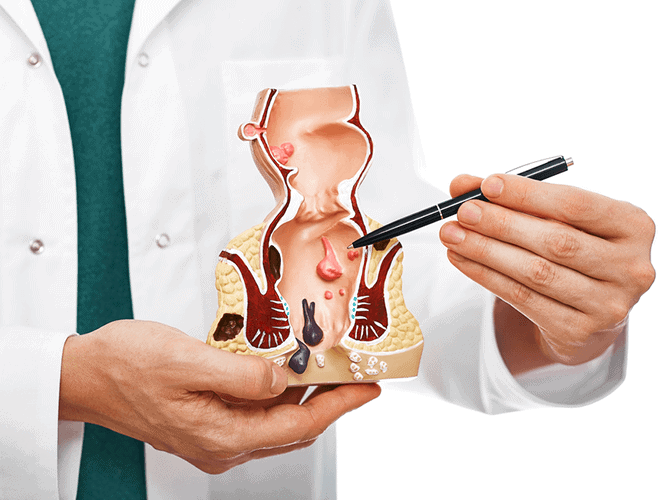
Piles, also known as hemorrhoids, are among the most common anorectal conditions affecting adults today. Despite being widespread, piles are often misunderstood and neglected due to embarrassment or fear of surgery. Many patients assume that piles treatment automatically means painful surgery and long recovery. However, modern medical science offers a much broader range of treatment options. This raises an important question for patients—can piles be treated without major surgery?
In many cases, the answer is yes, especially when the condition is diagnosed early and managed under expert medical supervision.
Understanding Piles and Why They Develop
Piles occur when the veins in the anal or rectal region become swollen due to increased pressure. Common contributing factors include:
-
Chronic constipation
-
Straining during bowel movements
-
Sedentary lifestyle
-
Low-fiber diet
-
Obesity
-
Prolonged sitting
Piles are generally classified into four grades depending on severity. Early stages are often manageable without surgery, while advanced stages may require surgical intervention.
Early-Stage Piles Can Often Be Treated Without Surgery
For Grade 1 and Grade 2 piles, major surgery is usually not required. These stages respond well to conservative and minimally invasive treatments when addressed on time.
Lifestyle and Dietary Management
One of the most effective non-surgical approaches involves correcting daily habits:
-
Increasing dietary fiber intake
-
Drinking adequate water
-
Avoiding prolonged sitting and straining
-
Maintaining regular bowel habits
Such changes reduce pressure on rectal veins and help prevent disease progression.
Medication-Based Treatment
Doctors may recommend medications to control symptoms such as pain, itching, swelling, and bleeding. These include:
-
Anti-inflammatory creams
-
Pain-relieving ointments
-
Stool softeners
-
Oral medications to strengthen blood vessels
While medicines may not remove piles completely, they play a vital role in symptom control and healing in early stages.
Minimally Invasive Procedures: No Major Surgery Required
When lifestyle changes and medications are insufficient, minimally invasive procedures offer effective relief without the need for traditional surgery.
Rubber Band Ligation
This procedure involves placing a small band around the base of the pile to cut off blood supply, causing it to shrink and fall off naturally.
Sclerotherapy
A medicated injection is used to shrink the swollen vein, leading to gradual healing.
Infrared or Coagulation Therapy
Heat energy is applied to reduce blood flow to piles, helping them regress over time.
These procedures are usually performed on an outpatient basis and allow patients to resume daily activities quickly.
When Is Piles Surgery Necessary?
Not all piles can be treated conservatively. Grade 3 and Grade 4 piles, especially those associated with persistent bleeding, prolapse, or severe pain, often require surgical treatment for permanent relief.
Delaying appropriate treatment may result in:
-
Chronic blood loss
-
Severe discomfort
-
Infections
-
Anemia
In such cases, opting for Piles Surgery in Hyderabad under experienced hands becomes the safest and most effective option.
Modern Piles Surgery Is Safer and Less Painful
Advancements in surgical techniques have significantly reduced the fear associated with piles surgery.
Laser Piles Surgery
Laser technology allows precise treatment of affected veins with minimal tissue damage, less bleeding, and faster recovery.
Stapled Procedures
These techniques reposition prolapsed tissue with reduced post-operative pain compared to conventional surgery.
Patients undergoing modern procedures often experience shorter hospital stays and quicker return to routine life, especially when treated by an experienced piles surgeon in Hyderabad.
Expertise Matters: Role of the Right Specialist
Successful piles treatment depends heavily on accurate diagnosis and choosing the right treatment at the right time. This is where specialist care becomes essential.
Dr. Nandakishore Dukkipati, Founder and Director of LivLife Hospitals, Hyderabad, is widely known for his expertise in Bariatric Surgery, Laparoscopic Surgery, and advanced gastrointestinal procedures. His approach emphasizes:
-
Conservative management wherever possible
-
Minimally invasive techniques when intervention is required
-
Patient safety and long-term outcomes
Patients under his care are guided honestly about whether surgery is necessary or avoidable.
Why Patients Trust LivLife Hospitals
LivLife Hospitals has earned its reputation as a Best Multispeciality Hospital in Hyderabad by offering comprehensive care across surgical specialties. The hospital focuses on:
-
Evidence-based treatment protocols
-
Modern infrastructure
-
Advanced minimally invasive procedures
-
Personalized patient care
From early-stage piles management to advanced Piles Surgery in Hyderabad, patients receive complete care under one roof.
Importance of Early Consultation
Ignoring piles symptoms can transform a manageable condition into a complex surgical problem. Early evaluation by a qualified piles surgeon in Hyderabad allows patients to explore non-surgical options before the disease progresses.
Warning signs that should not be ignored include:
-
Bleeding during bowel movements
-
Persistent anal pain or itching
-
Swelling or prolapse
-
Difficulty in passing stools
Timely consultation often prevents major surgery altogether.
Conclusion
So, can piles be treated without major surgery?
In many cases, yes. Early-stage piles can be effectively managed through lifestyle changes, medications, and minimally invasive procedures. However, advanced piles may require surgical intervention for complete and lasting relief.
Under the guidance of Dr. Nandakishore Dukkipati at LivLife Hospitals, patients benefit from accurate diagnosis, ethical treatment planning, and modern surgical care at a Best Multispeciality Hospital in Hyderabad—ensuring the best possible outcomes with minimal discomfort.

 English
 Arabic
 French
 Spanish
 Portuguese
 Turkish
 Dutch
Dutch
 Italiano
 Russian
 Romaian
 Portuguese (Brazil)
 Greek
Greek